
Planting
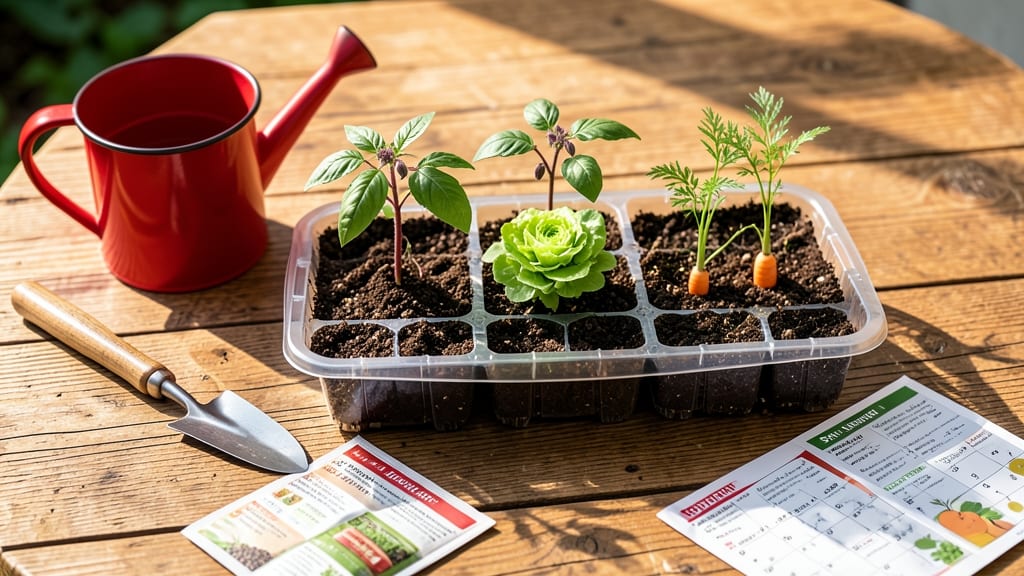
Planting seeds in your garden at the right time means the difference between a lush harvest and wasted seeds—because timing isn't just about the calendar, it's about the science of your local climate.
Timing your seed planting wrong can mean the difference between a thriving garden and wasted effort—yet most gardeners guess rather than use science-backed methods. Whether you're in the Northern Hemisphere's spring or the Southern Hemisphere's autumn, soil temperature and frost dates hold the key to success.
For example, in Zone 6a, where many gardeners live, the last frost typically arrives around April 15, but cool-season crops like lettuce and peas can go in as early as February if you use row covers.
Meanwhile, warm-season favorites like tomatoes need to wait until the soil hits 60°F—usually late April or early May.
Below, I’ll break down how to read your hardiness zone, adjust for unpredictable weather, and even start seeds indoors for a head start. You’ll learn the exact windows for 30+ common crops, plus pro tips to tweak timing when Mother Nature throws a curveball.
How to determine your planting window using hardiness zones
Getting your seed planting timing right isn't about luck—it's about understanding your USDA hardiness zone and local frost dates. These two factors form the foundation of your planting window, telling you exactly when to start seeds indoors or sow directly in the garden.
Without this knowledge, even the hardiest seeds can fail to thrive.
Your hardiness zone (like Zone 5, 7, or 9) determines which plants can survive your winter, while frost dates dictate when you can safely plant without risking damage.
For example, a cool-season crop like broccoli needs to go in early spring, while warm-season crops like tomatoes require soil to warm up first. Let’s break down how to find your zone and calculate your perfect planting window.
First, locate your USDA hardiness zone using the official USDA zone map. Simply enter your ZIP code to find your exact zone (e.g., Zone 6a or Zone 8b).
This zone number tells you the average minimum winter temperature in your area, which directly impacts what you can grow. For instance, Zone 5 gardeners have shorter growing seasons than Zone 9 gardeners.
Next, identify your last spring frost date and first fall frost date. These dates mark the boundaries of your growing season. You can find these by checking local weather records or using tools like the Old Farmer’s Almanac.
For example, in Zone 6a, the last frost typically falls around April 15, and the first frost arrives on October 15, giving you about 165 frost-free days.
| Planting Window | Cool-Season Crops | Warm-Season Crops |
|---|---|---|
| Zone 3-4 (Short Season) | Start indoors: March 1 Outdoor: After May 15 |
Start indoors: April 1 Outdoor: June 1 |
| Zone 5-6 (Moderate Season) | Start indoors: February 15 Outdoor: After April 15 |
Start indoors: March 15 Outdoor: May 1 |
| Zone 7-8 (Long Season) | Start indoors: January 15 Outdoor: After March 1 |
Start indoors: February 1 Outdoor: April 1 |
| Zone 9-10 (Extended Season) | Start outdoors: September 1 or February 1 | Start outdoors: March 15 or August 1 |
| Soil Temperature Requirement | 40-50°F (Cool crops tolerate cold) | 60-70°F (Warm crops need heat) |
Once you know your zone and frost dates, calculate your planting window by counting backward from your last frost date for cool-season crops (like lettuce or peas) and forward from your first frost date for warm-season crops (like peppers or cucumbers).
For example, if your last frost is April 15 and you’re growing bush beans, which take 50-60 days to mature, you should plant them by May 15 to harvest before frost.
For warm-season crops, wait until soil temperatures reach at least 60°F (use a soil thermometer to check). In Zone 6a, this usually aligns with late May, but in Zone 9, you might start as early as March.
Always check seed packets for specific days to maturity—this tells you how many weeks you have to plant before harvest.
Pro tip: Use a planting calendar tailored to your zone (like those from Gardeners.com) to map out your entire season. These calendars account for succession planting, where you stagger plantings every 2-3 weeks to ensure a continuous harvest.
For instance, planting radishes every 10 days in spring will give you fresh radishes all summer.
Don’t forget to adjust for microclimates in your garden. A sunny, south-facing wall can warm up soil faster, allowing you to plant warm-season crops a few weeks earlier. Conversely, low-lying areas may experience frost later in spring. Use row covers or cold frames to extend your season if needed.
Finally, keep a gardening journal to track your frost
Seed planting timing by crop type: cool vs. warm season vegetables
Understanding whether a vegetable thrives in cool or warm-season conditions is the first step to planting success. Cool-season crops like lettuce and peas tolerate frost and even prefer it, while warm-season plants such as tomatoes and peppers need consistently warm soil to germinate.
Your last frost date and soil temperature are your best guides—get them wrong, and you risk stunted growth or failed germination.
Most gardeners rely on USDA hardiness zones and local frost dates to determine planting windows. For example, in Zone 5, you might plant cool-season crops in early spring or late summer, while warm-season crops go in after soil reaches at least 60°F.
But timing isn’t one-size-fits-all—succession planting can extend harvests by staggering sowings every 2-3 weeks.
🌱 Comparison Table: Cool vs. Warm Season Planting Times
For cool-season crops, I always start seeds indoors 4-6 weeks before the last frost date—this gives them a head start. For example, spinach and broccoli can handle light frosts, so I plant them in early spring or late summer for a fall harvest.
Meanwhile, warm-season crops like peppers and eggplants need consistent warmth—I wait until the soil temperature hits 65°F+ before sowing.
Succession planting is my secret weapon for continuous harvests. For instance, I plant lettuce every 2 weeks from spring to early summer, ensuring fresh greens all season. Similarly, bush beans get a second planting in late summer for a fall crop.
This method works best for fast-growing crops like radishes or lettuce, which mature in 30-45 days.
Pro tip: Use row covers to extend the season for cool-season crops or black plastic mulch to warm