
Planting
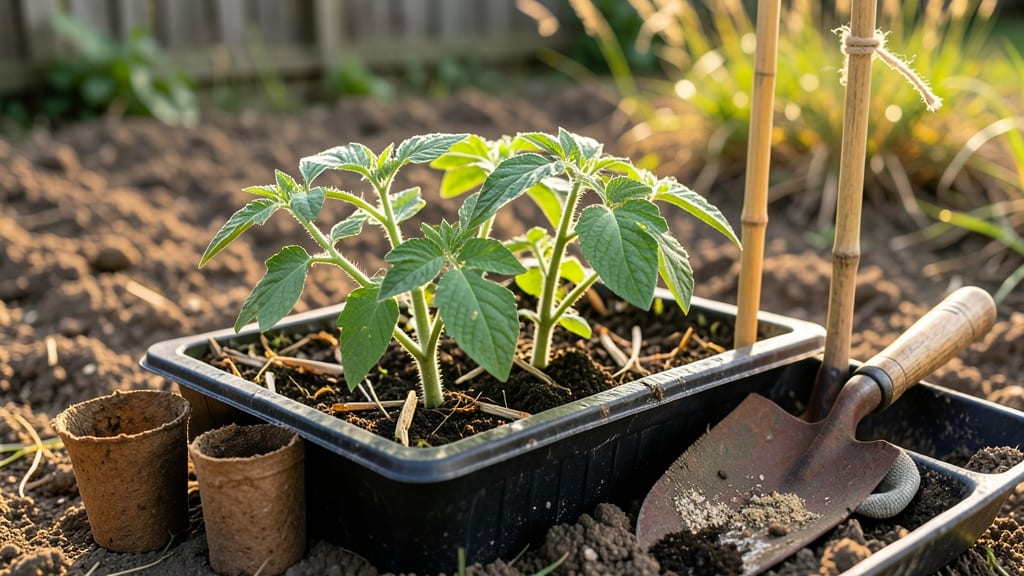
Planting tomato seedlings in the garden 3-5 weeks before your last spring frost is the key to avoiding stunted growth and wasted effort — but the exact timing depends on your zone, variety, and even the weather gods.
Picture this: you’ve nurtured your seedlings for weeks, only to rush them into the ground too early and watch them shiver under a late frost. Or worse, you wait too long, and the heat arrives before the fruit sets. Timing matters more than most gardeners realize.
In USDA Zone 6a, that means aiming for April 15–May 15, but the real secret is adjusting for your specific frost dates, soil temperature, and whether you’re growing heat-loving beefsteaks or early-season cherries.
Below, I’ll break down the exact frost-free windows by zone, how to harden off seedlings for success, and the one trick that extends your harvest by weeks—no matter where you garden.
Frost-free planting dates by USDA hardiness Zones for tomato seedlings
Getting your tomato seedlings in the ground at the right time is everything—plant too early, and a late frost will kill them; too late, and your harvest suffers. The golden rule?
Wait until 3-5 weeks after your last average frost date, when soil temperatures hit 60°F+ and nights stay above 50°F.
But since frost dates vary wildly by USDA zone, I’ve broken it down so you can plant with confidence, whether you’re in chilly Zone 3 or balmy Zone 10.
Most gardeners aim for mid-April to early June planting, but your exact window depends on your zone, local microclimates, and even the tomato variety you’re growing. Heat-loving cherry tomatoes or beefsteaks need warmer soil than cold-hardy Siberian or Stupice varieties.
Let’s dive into the zone-by-zone breakdown so you can set your calendar—and your seedlings—up for success.
| USDA Zone | Last Frost Date (Avg.) | Planting Window | Soil Temp Goal | Best Varieties |
|---|---|---|---|---|
| Zones 3-4 | May 10–20 | June 1–15 | 60°F+ | Siberian, Stupice, Early Girl |
| Zones 5-6 | April 20–May 5 | May 1–20 | 60°F+ | Cherry, Roma, Brandywine |
| Zones 7-8 | March 20–April 10 | April 15–May 10 | 65°F+ | Beefsteak, Sun Gold, Celebrity |
| Zones 9-10 | January 15–February 15 | February 20–March 15 | 70°F+ | HeatMaster, Solar Fire, Black Krim |
If you’re in Zones 3-4, don’t even think about planting before June 1—unless you’re using row covers or a greenhouse to protect seedlings from late frosts.
I’ve planted Siberian tomatoes in Zone 4 as early as late May, but only after hardening them off for 10-14 days and covering them with frost cloth at night.
For Zones 5-6, aim for May 1–20, when soil warms up enough to prevent blossom end rot (a common issue in cool soils).
Gardeners in Zones 7-8 have the most flexibility—you can start as early as mid-April in warmer microclimates (like near a south-facing wall) or wait until late April for safety.
In these zones, heat-tolerant varieties like Solar Fire or Heatmaster thrive when planted early, but cherry tomatoes (like Sweet 100) can handle a little extra heat too.
For Zones 9-10, you’re in luck: you can plant as early as February for a year-round harvest, but avoid planting during peak summer heat (above 90°F) to prevent fruit sunscald.
Pro tip: Check your local Cooperative Extension Service for hyper-local frost dates—they’re often more accurate than USDA averages. For example, my garden in Zone 5b had a late frost on May 10, 2022, so I waited until May 25 to plant my Brandywine tomatoes.
Always err on the side of caution—a few extra weeks of waiting for warm soil will give you a healthier, more productive plant than rushing too soon.
For extended-season harvests, consider planting two batches: one in early spring (for early varieties) and another in late June or early July (for late-season heat
How to adjust planting time for tomato varieties (early, mid, late season)
Not all tomatoes thrive on the same schedule—heirloom varieties often need earlier starts than hybrids, while cherry tomatoes can handle later plantings better than beefsteak giants. The key is matching your variety’s maturity timeline to your local frost dates and growing season length.
For example, a 90-day heirloom planted too late might never ripen, while a 60-day cherry tomato could bolt if started too early.
Your tomato type also dictates whether you’ll need to extend the season with row covers or greenhouses. Early-season varieties like Stupice (a cold-hardy Czech heirloom) can handle cooler soils, while heat-lovers like Solar Fire need warm soil to germinate.
Even within types, determinate vs. indeterminate growth habits change your timing strategy—determinates produce all at once, while indeterminates keep yielding until frost.
| Variety Type | Best Planting Window | Days to Maturity | Season Extension Tip |
|---|---|---|---|
| Early Season (Heirloom) | 4-6 weeks before last frost | 60-70 days | Use row covers for cooler nights |
| Mid Season (Hybrid) | 2-3 weeks before last frost | 70-80 days | Standard planting; monitor soil temp |
| Late Season (Cherry) | 1-2 weeks after last frost | 50-60 days | Plant in greenhouse for fall harvests |
| Beefsteak (Indeterminate) | 3-4 weeks before last frost | 80-90 days | Stake early; prune for airflow |
For late-season harvests, consider succession planting every 2 weeks after your initial batch. This works especially well for cherry tomatoes, which can produce continuously if given warm soil and consistent water.
If your growing season is short (like in Zone 5), opt for fast-maturing hybrids or use a mini greenhouse to push your harvest window by 3-4 weeks.
Pro tip: Hardening off seedlings for 7-10 days before transplanting is critical—especially for heirloom varieties, which are often more delicate. Start by exposing them to 4 hours of sunlight daily, then gradually increase to full sun.
This toughens their cell walls and reduces transplant shock, giving them a head start in the garden.
Don’t overlook soil temperature—tomato seeds won’t germinate well below 60°F.
Use a soil thermometer to confirm readiness, and if your spring is slow to warm, try black plastic mulch to raise soil temps by 5-10°F. For late plantings, prioritize disease-resistant hybrids like Mountain Merit, which can handle cooler soils better than heirlooms.
Adjust your planting schedule based on your local microclimate. A north-facing garden stays cooler longer, while a south-facing bed warms up faster. If you’re in a coastal area, you might plant 2 weeks later than inland gardeners due to slower soil warming.
Always check your last frost date and count backward from your variety’s days to maturity—this ensures you’re not caught off guard by an unexpected frost.