
Plants
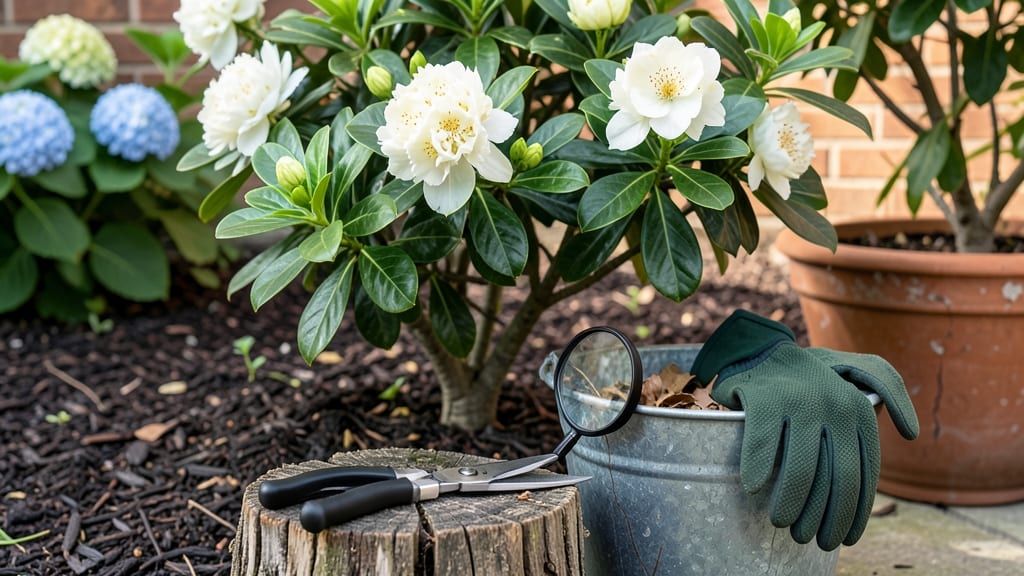
To prune gardenia plants for the most fragrant blooms, aim for late winter—just as the plant stirs from dormancy but before new growth bursts forth.
Struggling to keep your gardenia plants blooming as heavily as they should? The secret lies in timing—pruning at the wrong time can stifle fragrance and growth, while the right approach unlocks lush, fragrant blooms year after year. 🌸
Most gardeners wait until after the last frost, typically late February to early March in USDA Zone 9b, but cooler zones like 7a-8b may need to delay until April. This timing ensures you’re not cutting back fresh growth, which can weaken the plant and reduce next year’s flowers.
In this guide, I’ll walk you through the exact steps to prune your gardenia—when to trim, which branches to cut, and how to encourage more blooms without stressing the plant. By the end, you’ll know the one simple trick that makes a big difference in fragrance and fullness.
Best late winter pruning time for gardenia plants
If you love the intoxicating fragrance of gardenia blooms, timing your pruning is everything. The late winter window—specifically late February to early March—is the sweet spot for most climates.
This timing aligns with your gardenia’s natural dormant phase, right before new growth kicks in. Pruning then encourages healthier, more fragrant blooms by redirecting energy to fresh, vigorous shoots.
Why wait until late winter? Gardenias are evergreen shrubs that bloom on new wood, meaning they produce flowers on current year’s growth. Cutting back in late winter removes weak or overcrowded branches while leaving enough structure for spring’s energy surge.
Plus, this timing avoids late-season growth that could be damaged by frost in cooler zones.
Here’s the critical detail: USDA zones 7-11 all benefit from late winter pruning, but the exact timing shifts slightly. In warmer zones (9-11), aim for late February to early March. In cooler zones (7-8), wait until after your last frost date, typically mid-to-late March.
The key is to prune just before active growth resumes—when buds swell but haven’t yet broken open.
How do you know if your gardenia is truly dormant? Look for these visual cues: leaves are firm but not glossy, no new shoots, and buds are closed.
If you see green tips or open buds, wait a few weeks—pruning active growth can stress the plant and reduce flowering.
One common mistake is pruning too aggressively or at the wrong time. Avoid cutting back in summer or fall, as this removes potential bloom sites. Also, never prune after a heavy frost—damaged branches should be removed in early spring when the plant can heal.
Here’s a quick zone-specific guide to help you pinpoint the best time for your gardenia:
| USDA Zone | Best Pruning Window | Key Cue | Avoid Pruning If... |
|---|---|---|---|
| 7-8 | Mid-to-late March | Last frost passed | Bud break begins |
| 9-10 | Late February to early March | Bud swell visible | New shoots emerge |
| 11 | January to February | Dormant phase ends | Leaves soften |
Pruning at the right time isn’t just about when—it’s also about how. Always use clean, sharp tools to make 45-degree cuts just above a leaf node or bud.
This encourages outward growth, improving airflow and reducing fungal diseases like powdery mildew. After pruning, sanitize your tools with rubbing alcohol to prevent spreading pathogens between cuts.
Another pro tip: Shape your gardenia like a vase. Remove crossing branches and dead wood first, then trim back overly long stems to encourage a fuller, bushier form.
This shape not only looks stunning but also ensures even sunlight exposure, which is critical for fragrant, abundant blooms.
Post-pruning, give your gardenia a light fertilizer with high phosphorus (like a 10-10-10 blend) to support new growth. Water deeply but infrequently to encourage root development, and mulch around the base to retain moisture and regulate soil temperature.
Within weeks, you’ll see lush, glossy foliage and, eventually, those coveted fragrant blooms.
Remember, the goal is to stress the plant just enough to trigger vigorous regrowth—not so much that it struggles to recover. With the right timing and technique, your gardenia will reward you with years of intoxicating fragrance and show-stopping blooms. 🌸
Step-by-step guide to pruning gardenia plants for maximum blooms
Pruning your gardenia plants correctly is the key to unlocking their full fragrant potential. When done right, it encourages healthier growth and more abundant blooms. Start by identifying dead or diseased branches—these should be your first targets.
Use sterilized pruning shears to make clean cuts, which prevents infections from spreading to healthy parts of the plant.
Next, focus on crossing or overcrowded branches that block sunlight or air circulation. These areas often become breeding grounds for pests and fungal diseases. By removing them, you’re improving airflow and allowing more sunlight penetration, which is crucial for photosynthesis and bloom production.
Always cut back to a bud or lateral branch to encourage new growth in the right direction.
⚠️ When NOT to Prune Gardenia Plants
Pruning at the wrong time can harm your gardenia’s ability to bloom. Avoid pruning during these critical periods:
- ❌ Summer months (June–August): New growth won’t harden off before winter, making plants vulnerable to frost damage.
- ❌ Late fall or winter (October–February in cooler zones): Plants are dormant, and pruning stimulates weak growth that won’t survive cold snaps.
- ❌ Right after blooming (May–June): You’ll cut off next year’s flower buds, reducing scent and bloom quantity.
To shape your gardenia for optimal airflow and sunlight exposure, aim for an open, rounded form. This encourages light to reach the inner branches, where most buds form.
Avoid heavy pruning—never remove more than 25% of the plant’s foliage in a single session. Over-pruning stresses the plant and can lead to fewer blooms or even leaf drop.
After pruning, sterilize your tools with rubbing alcohol to prevent the spread of bacterial or fungal infections. Seal larger cuts with pruning sealant if they’re over ½ inch thick.
This step is especially important in humid climates, where moisture can accelerate decay. Water your gardenia lightly after pruning to help it recover faster and reduce shock.
For container-grown gardenias, prune slightly later—wait until early spring (March) when new growth appears. Potted plants often have limited root systems, so pruning too early can stunt their recovery.
Always use well-draining pots and acidic potting mix to support post-pruning growth. Mulch around the base to retain moisture and protect roots from temperature fluctuations.
Monitor your gardenia closely after pruning for signs of stress or recovery. New growth should appear within 4–6 weeks if conditions are ideal. If you notice yellowing leaves or dropping buds, adjust your care routine—ensure it’s getting enough sunlight (4–6 hours daily) and consistent moisture.
With proper pruning and aftercare, your gardenia will reward you with fragrant blooms all season long. 🌸