
Pruning
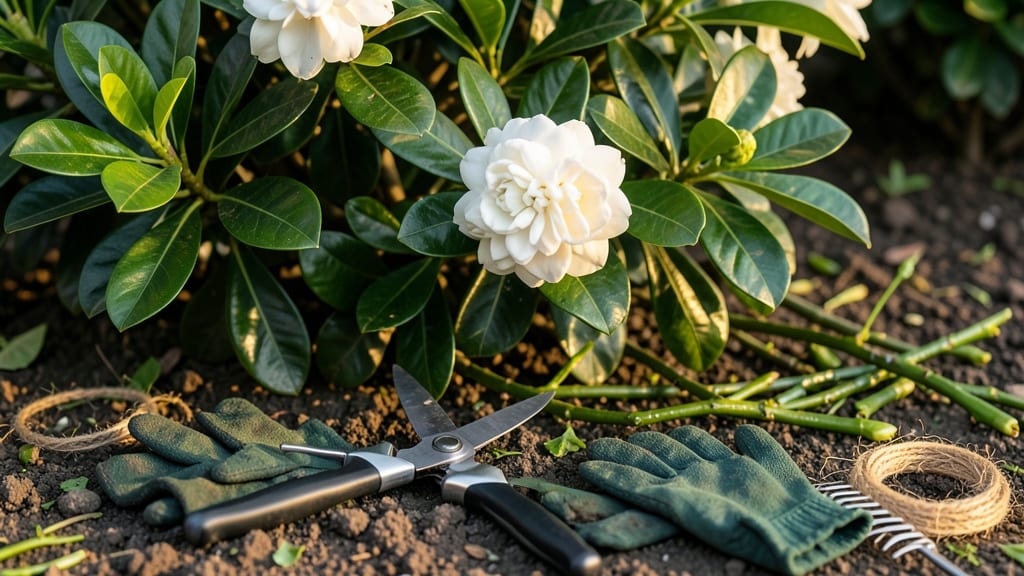
Pruning gardenias in Georgia during late winter is the key to unlocking stronger blooms and healthier growth before the heat sets in.
Picture this: you’ve just spent months admiring your gardenia’s fragrant 🌸 blooms, only to watch them dwindle when pruning happens at the wrong time. Georgia’s humid climate and unpredictable frost make timing everything—one wrong move, and you’re left with stunted growth or no flowers at all.
Most gardeners in zones 7b-8b wait until after the last frost (usually mid-March), but the real secret is pruning earlier—between February and early March—when the plant is still dormant but ready to burst into new life. This window gives you the edge over pests, heat stress, and weak blooms.
In this guide, I’ll walk you through the exact steps to prune your gardenia like a pro, from recognizing the best time in your microclimate to avoiding common mistakes that sabotage spring blooms. Let’s get started!
Best late winter pruning window for Georgia gardenias
Georgia’s gardenias thrive when pruned at the perfect late-winter moment—right after the last frost but before new growth begins. This 2-3 week window in February-March balances frost risk and growth triggers, ensuring your shrub bursts into fragrant blooms. Miss this window, and you risk stunted flowers or weak stems.
Timing depends on Georgia’s microclimates. Coastal areas like Savannah can prune as early as late February, while inland zones (Athens, Macon) should wait until mid-March when soil temps hit 55°F. Always check the 10-day forecast for frost warnings before pruning.
Here’s your temperature threshold guide: Prune when nighttime lows stay above 40°F and daytime highs reach 60°F. This triggers new growth without risking frost damage to fresh cuts. Use a thermometer if unsure—your gardenia’s health depends on precision.
Why late winter? Gardenias bloom on new wood, so pruning now removes dead branches while encouraging spring growth. Avoid pruning in fall—this cuts off next year’s blooms. Early spring pruning (April) is too late for optimal results.
| Region | Ideal Pruning Window | Temperature Threshold | Key Trigger |
|---|---|---|---|
| Coastal (Savannah, Brunswick) | Late February - Early March | 45°F nights / 65°F days | Last frost date + 7 days |
| Inland (Athens, Macon) | Mid-March | 50°F nights / 70°F days | Soil temp 55°F+ |
| North GA (Dalton, Blairsville) | Early-Mid March | 40°F nights / 60°F days | Bud swell visible |
| All Regions | Avoid after March 15 | N/A | New growth begins |
Use the bud swell test: Gently inspect your gardenia’s branches. If you see tiny green buds forming, it’s time to prune. These buds signal the plant’s readiness to grow—pruning too early removes potential blooms, while waiting too long stresses the shrub.
Pro tip: Prune on a dry, overcast day to reduce stress. Wet conditions spread disease, while bright sun can shock the plant. Schedule your session for morning hours when temps are cooler. Clean your pruners with rubbing alcohol before and after to prevent bacterial spread.
After pruning, apply a 2-inch layer of mulch around the base to retain moisture and regulate soil temperature. This step is critical in Georgia’s humid climate, where mulch prevents root rot while encouraging healthy growth. Water deeply but avoid soaking the cuts—this invites fungal infections.
Watch for new leaf growth within 2-3 weeks of pruning. If your gardenia shows no signs of regrowth by April 1, it may need fertilizer or better soil drainage. Adjust your care routine accordingly to set your plant up for a bloom-filled summer.
Step-by-step pruning guide for Georgia gardenias
Pruning your Georgia gardenias correctly is the secret to lush, fragrant blooms that last all summer. The right technique removes dead wood while encouraging new growth—without shocking the plant. I’ll walk you through my foolproof method, from choosing the right tools to shaping your bush for maximum airflow and beauty.
First, gather your pruning essentials: a pair of sharp bypass pruners for clean cuts, sterilized shears for larger branches, and a glove to protect your hands from thorns.
Gardenias respond best to gradual pruning, so avoid cutting more than one-third of the plant at once. This keeps the shrub healthy and prevents stress that could delay blooming.
-
Step 1: Remove Dead or Diseased Wood
When: Late winter (Feb-March) after last frost risk
How: Cut back brown, brittle branches to the nearest healthy bud or stem junction. Sterilize tools between cuts to prevent spreading disease. -
Step 2: Thin Out Crowded Branches
When: Same late-winter session
How: Look for crossing or rubbing branches. Remove one of the two to improve airflow and reduce pest risks. Aim for an open center. -
Step 3: Shape the Bush
When: After thinning (same session)
How: Trim overgrown tips to encourage bushier growth. Cut just above a leaf node at a 45-degree angle for better water runoff. -
Step 4: Prune for Airflow
When: Final step in pruning session
How: Focus on inner branches blocking sunlight. Remove any growth that’s too dense—this prevents fungal issues like powdery mildew. -
Step 5: Clean Up and Fertilize
When: Immediately after pruning
How: Rake up debris and apply acid-loving fertilizer (like 6-6-6) to the soil. Water deeply to help roots recover.
For overgrown gardenias, take it slow—don’t rush to reshape the entire plant in one season. Instead, spread your pruning over 2-3 years, focusing on one section at a time.
This method mimics natural growth patterns and reduces stress. If your gardenia is woody and leggy, prioritize cutting back the oldest stems first to rejuvenate younger growth.
After pruning, monitor your gardenia closely for the first 2-3 weeks. Look for signs of stress like yellowing leaves or wilting, which could indicate over-pruning. If you see these, trim back slightly more and increase watering. A light application of compost tea can also help speed up recovery.
Pro tip: Mark your garden calendar for next year’s pruning date—aim for late February to early March in Georgia’s USDA zones 7b-8b. This timing ensures you prune after the last frost but before new growth begins.
With this routine, your gardenia will reward you with double the blooms next season!