
Vegetables
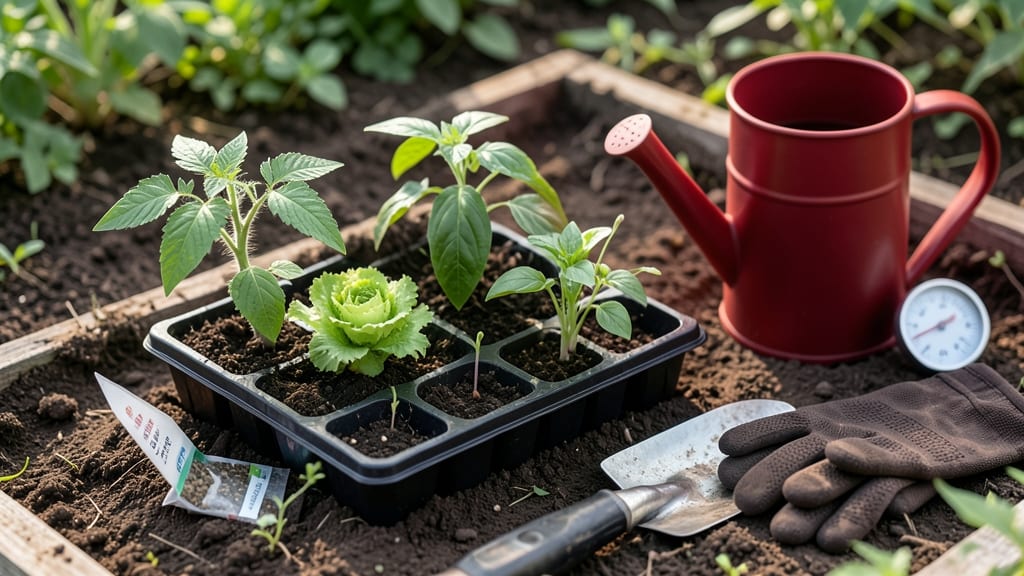
To start gardening vegetables at the right time means planting when soil temps hit 50°F and frost risk fades—too early, and you risk stunted growth or wasted seeds.
Picture this: you’ve spent weeks preparing your soil, only to watch your seedlings bolt or wither under a surprise frost. That’s why timing isn’t just about dates—it’s about soil warmth and microclimates that can shift your ideal window by weeks.
In USDA Zone 6a, like much of the Midwest, March and April are your sweet spots for cool-season crops like lettuce and carrots, while warm-season veggies like tomatoes need to wait until after April 15, when the ground finally thaws.
Below, I’ll break down exactly when to plant by crop type, how to read frost-free maps, and the 3 biggest timing mistakes that kill gardens—so you can avoid them and enjoy a bountiful harvest.
Soil temperature guidelines for planting vegetables by type
Getting your vegetable planting timing right starts with understanding soil temperature requirements—not just frost dates. Warm-season crops like tomatoes and peppers need soil at 60°F+ to thrive, while cool-season lettuce and spinach can handle 40-50°F soil.
Planting too early when soil is cold stresses seedlings, even if air temps seem warm. I’ve learned this the hard way with leggy, weak tomato starts!
Your USDA zone matters, but local microclimates (like urban heat islands) can shift soil temps by 5-10°F. For example, a Zone 5 garden might see 50°F soil in early May, while a nearby Zone 6 spot hits 60°F two weeks earlier.
Always test your soil—don’t guess! A simple soil thermometer (just $10) gives you real data to avoid costly mistakes.
Here’s the critical rule: Cool-season crops (like broccoli or carrots) can handle 40-50°F soil, while warm-season crops (like beans or squash) need 60-70°F.
Planting tomatoes in 50°F soil? They’ll rot at the stem. But spinach in 70°F soil? It’ll bolt faster than you can say “pesto.”
| Vegetable Type | Ideal Soil Temp (°F) | Planting Window | Zone Notes |
|---|---|---|---|
| Cool-Season (Lettuce, Spinach, Peas) | 40–50°F | 4–6 weeks before last frost | Zones 3–5: Start indoors 6–8 weeks early |
| Moderate (Broccoli, Cabbage, Beets) | 50–60°F | 2–4 weeks before last frost | Zones 6–8: Direct sow after soil warms |
| Warm-Season (Tomatoes, Peppers, Cucumbers) | 60–70°F | After last frost, soil ≥60°F | Zones 9–10: Plant in spring/fall for 2 crops |
| Heat-Lovers (Okra, Sweet Potatoes, Southern Peas) | 70–80°F | After all frost risk | Zones 7–10: Wait until July for best yields |
To test your soil temp accurately, bury a soil thermometer 2–3 inches deep (where roots grow) and check it for 3–5 days to account for daily swings. Morning readings are most reliable—soil cools overnight and warms by afternoon.
Pro tip: Black plastic mulch can raise soil temps by 5–10°F in just days, giving warm-season crops an earlier start in cooler zones.
For Zone 3–5 gardeners, extend your season by starting cool-season crops indoors 6–8 weeks before the last frost. Use grow lights (not just windowsills!) to avoid leggy seedlings.
In Zones 6–8, you can often direct-sow lettuce in late summer for a fall harvest—just keep it well-watered to prevent bolting from heat stress.
Warm-season crops like peppers and eggplants are finicky about cold soil. If your zone’s last frost is late May but soil hits 60°F in early June, wait—don’t rush! These plants will rot if planted too soon.
I once lost an entire bell pepper bed because I ignored the soil thermometer and planted too early. Lesson learned: Patience pays off.
Adjust for organic matter in your soil—compost and aged manure can raise temps by 2–5°F compared to bare soil. If your garden is sandy, it warms faster than clay soil.
Use a moisture meter too; dry soil heats up quicker than damp soil. My raised beds hit 60°F two weeks earlier than my in-ground soil because they warm faster.
Don’t forget about succession planting! After harvesting early lettuce or radishes, replant with more cool-season crops if soil temps stay below 60°F. In Zones 9–10, you can even grow warm-season crops year-round**—but watch for pests and diseases that thrive in hot, humid soil.
When in doubt, check local extension office data for your county’s average soil temps. They often provide weekly updates during planting season. I cross-reference this with my own soil readings to fine-tune my schedule. Your garden’s success starts 2 inches underground—not in the sky!
Frost-free date calculator: when to plant in USDA Zones 3-10
Timing your vegetable garden is all about understanding your last frost date—the average date when temperatures stay above 32°F (0°C) for the season. This critical number determines when to plant cool-season crops like lettuce and when to wait for warm-season plants such as tomatoes.
But frost-free dates aren't one-size-fits-all—your microclimate (like a sunny hillside or sheltered valley) can shift your planting window by 2-4 weeks.
Start by finding your USDA Zone (3-10) on the USDA Plant Hardiness Map, then locate your last frost date using tools like the National Oceanic and Atmospheric Administration (NOAA) or local agricultural extension offices.
For example, Zone 5 typically has a last frost around May 15, while Zone 9 may see frost-free conditions by February 15.
For cool-season vegetables like spinach or peas, you can often plant directly into the garden 4-6 weeks before your last frost date.
But warm-season crops such as tomatoes and peppers need to wait until the soil warms to at least 60°F (15°C), which typically happens 2-4 weeks after your last frost. Use a soil thermometer to confirm—this is especially critical in Zones 3-6, where soil can stay cold longer.
Pro tip: If you’re in a Zone 9 or 10, where frost is rare, focus on heat tolerance instead. Plant shade-loving varieties like malabar spinach or okra to avoid bolting during summer’s peak heat.
Meanwhile, gardeners in Zones 3-5 should prioritize early-maturing varieties like bush beans or quick-maturing lettuce to maximize harvests before the first frost.
Don’t forget to account for your garden’s microclimate. A south-facing wall can add 10-14 days of warmth, while a low-lying area may delay your planting window.
Test your spot by placing a frost-sensitive plant like basil or coleus in the garden a few weeks before your expected last frost—if it survives, you’re ready to plant!
Finally, use your frost-free date to plan for succession planting. For example, if your last frost is April 15, start your first planting of lettuce on March 1, then follow up with a second planting on March 15 and a third on April 1.
This ensures a steady supply of fresh greens all season long.