
Tools
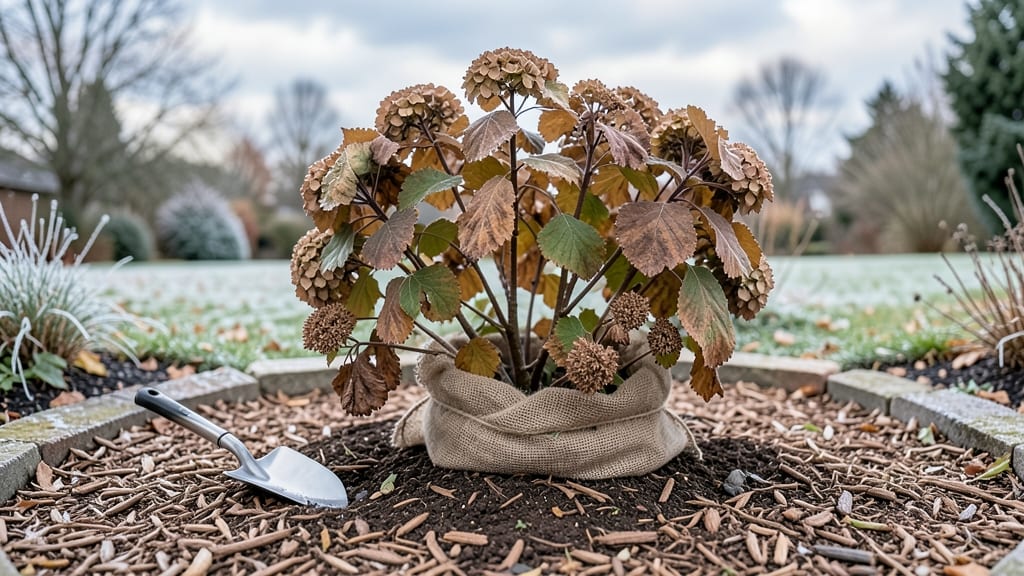
Winter protection for the garden is the key to keeping plants alive and thriving when temperatures drop.
Freezing temperatures don’t have to mean the end of your garden—with the right winter protection, you can shield your plants from frost and extend their growing season well into the cold months.
Whether you’re dealing with tender perennials or frost-sensitive shrubs, the right insulation can make all the difference. From mulching to frost cloth, I’ll walk you through the best methods to keep your garden healthy through winter.
You’ll discover which plants need extra care, how to apply protection at the right time, and even how to avoid common mistakes that can harm your garden instead of helping it.
Best cold-hardy wraps and covers to protect plants from frost damage
When winter frost threatens your garden, the right protective cover can mean the difference between plant survival and frost damage. I’ve tested multiple materials—from lightweight frost cloth to sturdy burlap sacks—to determine which works best for different plant types.
The key is balancing insulation, breathability, and cost-effectiveness to keep your garden thriving through freezing temperatures.
Not all covers are created equal. Some trap too much moisture, while others let cold air seep through. For example, bubble wrap reflects heat but can suffocate plants if left on too long, whereas row covers allow airflow while still providing frost protection.
Below, I’ll break down the best options for perennials, shrubs, and vegetable gardens, so you can choose the perfect fit for your cold-hardy plants.
🌱 Winter Protection Comparison Table
| Material | Best For | Pros | Cons | Temperature Range |
|---|---|---|---|---|
| Frost Cloth (30g) | Vegetables, herbs, tender perennials | Lightweight, breathable, reusable | Limited insulation for extreme cold | 28°F to 32°F (-2°C to 0°C) |
| Burlap Sacks | Shrubs, young trees, root protection | Cheap, breathable, biodegradable | Heavy when wet, limited heat retention | 23°F to 28°F (-5°C to -2°C) |
| Bubble Wrap | Potted plants, small perennials | Excellent heat reflection, durable | Can trap moisture, not reusable | 20°F to 25°F (-7°C to -4°C) |
| Row Covers (Floating) | Vegetable beds, raised gardens | Allows airflow, extends season | Expensive, requires support | 25°F to 30°F (-4°C to -1°C) |
| Straw Mulch | Perennials, bulbs, ground cover | Natural, improves soil, cheap | Can compact over time | 15°F to 20°F (-9°C to -7°C) |
For vegetable gardens, I recommend frost cloth or row covers because they allow light and airflow while still protecting against light frosts. These materials are ideal for leafy greens like spinach or kale, which can survive brief cold snaps but wilt under prolonged freezing temperatures.
A 30g frost cloth raises temperatures by 4-8°F, which is often enough to save your crops.
When protecting shrubs or young trees, burlap sacks or straw mulch work best. Burlap is especially useful for wrapping tree trunks to prevent sunscald in winter, while straw mulch insulates root zones for months.
I’ve seen roses and hydrangeas thrive through Zone 5 winters with just a 6-inch layer of straw around their bases.
Bubble wrap is a gardener’s secret weapon for potted plants or tender perennials like lavender or salvia. The air pockets trap heat, and it’s surprisingly durable. However, I always pair it with breathable fabric on the outside to prevent moisture buildup. For extreme cold (below 20°F), combine bubble wrap with a row cover for maximum protection.
One common mistake I see is leaving covers on too long. While winter protection is crucial, plants need to harden off in early spring. Remove covers on mild days to let plants acclimate to warmer temperatures.
For example, I start lifting frost cloth in March for early bloomers like crocuses to prevent rot from trapped moisture.
If you’re in a harsh climate (like Zone 4 or colder), layering materials works best. Start with straw mulch on the soil, add bubble wrap around potted plants, and top with frost cloth for extra insulation. This combo can protect plants
Step-by-step guide: how to properly wrap and cover plants for winter
Winterizing your garden isn’t just about slapping on a random cover—it’s a precise process that protects plants from frost damage while preventing moisture buildup or suffocation. Timing is everything: apply protection before the first frost, but don’t wait until temperatures plummet.
I’ve learned the hard way that rushing leads to root damage or trapped humidity, which can rot plants faster than frost!
Start by assessing your USDA hardiness zone—plants in Zone 5 or colder need extra insulation compared to Zone 7+**. For example, my tender perennials like lavender and rosemary require thick mulch, while evergreens like boxwood just need a light frost cloth.
The key is balancing insulation with airflow to keep roots alive without smothering the plant.
How to Wrap & Cover Plants for Winter
-
Step 1: Choose the Right Material
- Frost cloth (30g for light frost, 50g for heavy snow)
- Burlap sacks for shrubs and perennials
- Bubble wrap for delicate stems (like roses)
-
Step 2: Apply Mulch First
- Spread 2–4 inches of straw or shredded leaves around the base of plants
- Avoid wet mulch—it traps cold near roots
-
Step 3: Secure Covers Properly
- Use bricks, garden stakes, or clothespins to hold covers in place
- Leave 1–2 inches of space at the top for air circulation
-
Step 4: Monitor for Moisture
- Check covers weekly—remove if condensation forms
- Water sparingly before freezing (avoid wet soil)
-
Step 5: Adjust for Thaws
- Loosen covers during daytime thaws to prevent root rot
- Re-secure before nighttime frosts return
✅ Pro Tip: Label covers with plant names to avoid confusion in spring!
One common mistake I see is using plastic sheeting—it traps too much heat and moisture, creating a greenhouse effect that can kill plants faster than frost. Instead, opt for breathable materials like frost cloth or burlap.
Another trick? Wrap young trees with tree wrap to prevent sun scald during winter thaws. I’ve saved multiple apple trees this way!
Don’t forget to remove covers on mild winter days (above 40°F) to let plants breathe. Skipping this step can lead to mold growth or stunted spring growth. I also recommend pruning dead foliage before winterizing—it reduces hiding spots for pests and improves airflow under covers.
For container plants, move them to a protected location like a garage or under an eave. If that’s not possible, wrap pots in bubble wrap and bury them in straw up to the rim.
Last winter, my potted lavender survived -10°F thanks to this method! The goal is to mimic natural insulation while keeping roots frost-free.
With these steps, your garden will thrive through winter and burst back to life in spring. Just remember: patience and consistency are key—no shortcuts when it comes to plant survival! 🌱