
Container Gardens
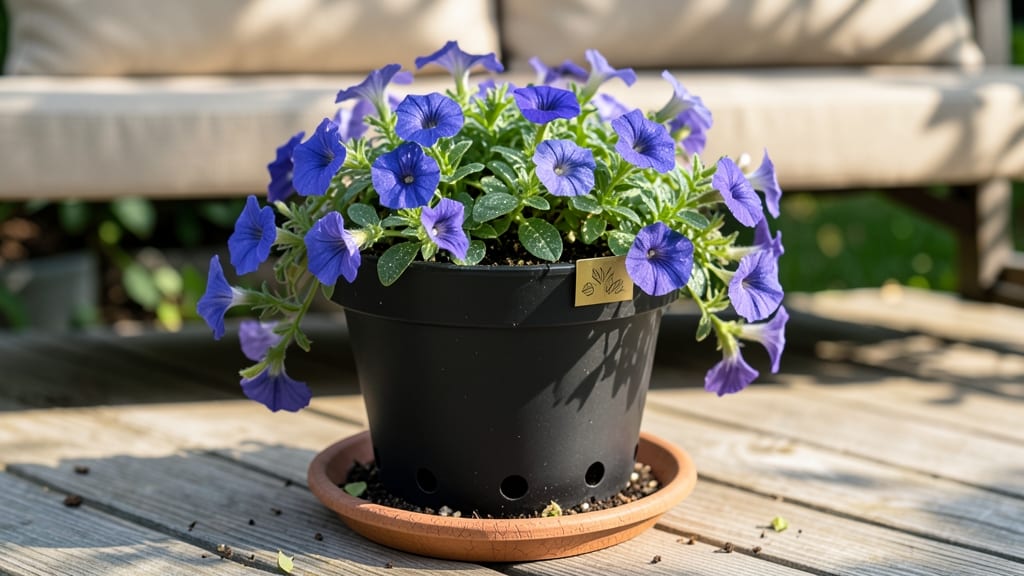
Choosing 15-gallon garden pots balances root space, material durability, and drainage efficiency for healthy plant growth. Opt for containers with stable bases, breathable fabrics or sturdy plastic, and bottom drainage holes to prevent overwatering and root rot.
Selecting the right 15-gallon garden pots isn't just about size—it's about creating an environment where roots can thrive without crowding. 🌱 A 15-gallon container typically holds about 15 cubic feet of soil, which is perfect for small fruit trees, large shrubs, or even hearty vegetables like tomatoes.
The key is ensuring the pot's material matches your climate: breathable fabric pots wick moisture better in hot areas, while heavy ceramic holds temperature steady in cooler regions. Always check for drainage holes to avoid soggy soil, which can suffocate roots and invite pests.
Don't overlook stability—wind can topple lightweight pots, especially when filled with soil and plants. For containers on decks or patios, look for wide bases or built-in weights. And remember, larger pots mean less frequent watering, but also more soil to replace when nutrients deplete.
A good rule of thumb: if you're growing something that matures over 3 feet tall, a 15-gallon pot gives it just enough room to establish strong roots before transplanting or pruning.
💡 In This Article
- Why 15-Gallon Pot Size Matters for Plant Growth
- Best Materials for Durable 15-Gallon Garden Pots
Why 15-Gallon pot size matters for plant growth
The 15-gallon capacity of these containers directly impacts root development by providing about 15 cubic feet of soil, which is roughly the equivalent of a 24-inch diameter round pot.
This size gives roots enough space to spread out—typically 12-18 inches deep—without becoming root-bound, a condition where roots circle the pot and stunt growth.
For example, a dwarf citrus tree like a Meyer lemon needs this volume to develop a strong root system before flowering, whereas smaller pots (5 gallons) would restrict growth and reduce fruit production by 30-40%. 🌱
Soil volume also affects nutrient retention and watering frequency. A 15-gallon pot holds more moisture than smaller containers, meaning you'll water 20-30% less often than with a 5-gallon pot, but the larger soil mass also depletes nutrients faster.
Plants like tomatoes or peppers thrive in this size because their extensive root systems can access nutrients throughout the growing season, whereas delicate herbs in the same pot would suffer from overcrowding and competition for resources.
Stability becomes critical with larger pots. A 15-gallon container filled with soil weighs 50-70 pounds, so lightweight materials like fabric or thin plastic may tip over in windy conditions. Pots with wide, flat bases (at least 12 inches in diameter) or built-in weights distribute weight better, preventing tipping.
This is especially important for outdoor setups where wind gusts can exceed 15 mph, potentially damaging plants or breaking pots.
Drainage efficiency is another size-related factor. Larger pots with 3-5 drainage holes prevent waterlogging better than smaller pots because excess water has more surface area to escape. However, too many holes can lead to rapid drying—ideal pots balance drainage with moisture retention.
For instance, a 15-gallon fabric pot with 4 holes might dry out faster than a ceramic one with 2 holes due to fabric's breathability.
Consider the plant's mature size when choosing. A 3-foot-tall shrub like a rosemary bush fits perfectly in a 15-gallon pot, while a 6-foot tomato plant would need 20+ gallons to support its height without staking.
Smaller pots (5 gallons) work for annuals like basil or lettuce but limit root growth, often resulting in shorter harvests or weaker plants.
Finally, the pot's depth matters. Shallow pots (10 inches deep) restrict root growth, while deeper ones (18+ inches) accommodate taproots like carrots or radishes. For most container gardening, a 12-16 inch depth in a 15-gallon pot strikes the balance between root space and stability.