
Landscaping
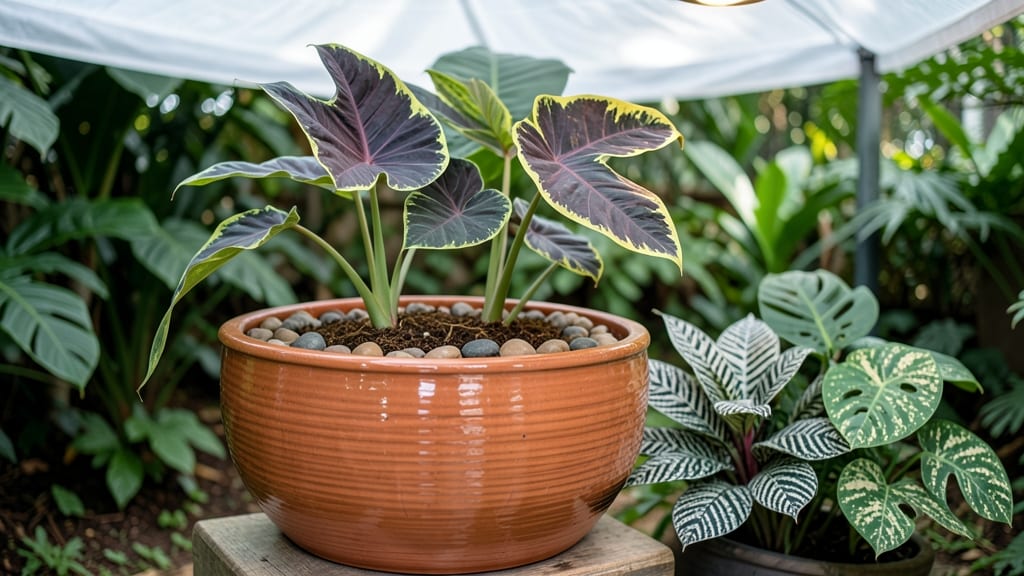
Alocasia garden ideas can turn your outdoor or indoor space into a stunning tropical retreat with bold foliage and architectural flair.
Picture this: towering 🌿 Alocasia leaves catching the morning light, their deep veins and glossy surfaces creating a lush, jungle-like atmosphere. Whether you're working with a small balcony or a sprawling backyard, these plants bring drama and texture that other foliage simply can't match.
From container arrangements to mixed garden beds, I’ll show you how to place Alocasia for maximum impact—whether you're going for a high-contrast look with black pots or blending it seamlessly into a shade garden.
You’ll also discover the best companion plants to keep the tropical vibe going without overwhelming your design.
Ready to create a space that feels like a secret garden? Let’s dive into layouts, pairings, and pro tips to make your Alocasia the star of the show.
Creative Alocasia planting layouts for maximum visual impact
Alocasia plants are architectural marvels that thrive when given space to showcase their dramatic foliage. For small gardens, focus on vertical arrangements and container groupings to maximize impact without overwhelming the space.
Their bold leaves create stunning focal points, so consider placing them where they'll be seen from multiple angles—like near seating areas or entryways.
In larger landscapes, mix mature Alocasia varieties with understory plants to create a layered tropical effect. Their height—ranging from 2 to 5 feet—makes them perfect for adding depth. Pair taller varieties like Alocasia zebrina with shorter companions to draw the eye upward and create movement in your design.
The key to stunning Alocasia layouts lies in light conditions and moisture consistency. These plants prefer bright indirect light and well-draining, humid environments. If your garden has shady spots, Alocasia will still thrive there, making them incredibly versatile for low-light areas.
For urban spaces, consider hanging baskets or wall-mounted planters to free up ground space. Trailing varieties like Alocasia polly cascade beautifully, while upright types like Alocasia odora add vertical interest. Grouping 3-5 plants together creates a lush, jungle-like effect even in small balconies.
| Layout Type | Best For | Planting Style | Visual Impact |
|---|---|---|---|
| Ground Beds | Large gardens, tropical themes | Mixed-height clusters (3-5 plants) | Dramatic jungle effect, layered foliage |
| Container Groups | Patios, balconies, small spaces | Odd-numbered arrangements (3 or 5) | Portable focal points, flexible placement |
| Vertical Gardens | Urban apartments, small yards | Wall planters, hanging baskets | Space-saving, cascading foliage |
| Focal Points | Entryways, garden paths | Single large specimen or trio | Instant visual drama, conversation starter |
| Shade Gardens | Woodland areas, under trees | Ground cover clusters | Lush understory, textural contrast |
When creating focal points, place your Alocasia where it will be the first thing visitors notice. A single Alocasia reginula with its striking purple stems or a trio of Alocasia sanderiana will draw the eye like a magnet.
For extra impact, add drip irrigation or moss mulch around the base to enhance the tropical feel.
For container combinations, mix Alocasia with trailing plants like Fittonia or Peperomia to create movement. Use glazed pots in complementary colors—deep greens, burgundies, or blacks—to make the foliage pop. Group containers in odd-numbered sets (3 or 5) for a balanced, natural look.
In vertical gardens, use Alocasia polly or Alocasia 'Black Magic' for their compact growth habits. Install wall-mounted planters at varying heights to create a living tapestry. Add LED grow lights if natural light is limited, ensuring they get 6+ hours of bright indirect light daily.
Don't forget to incorporate textural contrasts—pair glossy Alocasia leaves with velvety Calathea or spiky Dracaena for visual interest. This contrast elevates the jungle aesthetic while keeping your design dynamic. For seasonal interest, add blooming plants like Anthurium or Heliconia nearby.
To maintain your layouts, prune regularly to encourage bushier growth. Remove yellowing leaves immediately to keep the plant healthy and looking its best. In winter months, move potted Alocasia indoors near a bright window to prevent leaf drop from cold drafts.
With these Alocasia garden ideas, you'll transform any space into a tropical sanctuary—whether it's a tiny balcony or a sprawling backyard. The secret is playing with height, texture, and placement
Best companion plants to pair with Alocasia for a tropical vibe
Alocasia plants thrive when surrounded by other tropical beauties that echo their lush, dramatic presence. The key is pairing them with plants that share similar light requirements, humidity needs, and shade tolerance while adding contrasting textures or vibrant blooms.
I’ve curated my favorite companions that create a cohesive jungle aesthetic without stealing the spotlight from your Alocasia’s bold foliage.
Start with shade-loving companions like Calathea or Philodendron, which thrive in the same low-light conditions. Their delicate, patterned leaves create stunning contrasts against Alocasia’s deep veins and glossy surfaces.
For a pop of color, add floral accents like Anthurium or Peperomia, which bloom in soft pinks and whites while keeping the tropical vibe intact.
- 1 Calathea – Adds delicate, patterned leaves for texture contrast (🌿)
- 2 Philodendron – Trailing vines soften Alocasia’s bold structure (🪴)
- 3 Anthurium – Heart-shaped blooms add tropical color (🌷)
- 4 Peperomia – Compact and waxy leaves for layered interest (🌱)
- 5 Ferns (e.g., Maidenhair) – Airy fronds balance Alocasia’s density (🌿)
For a jungle-like atmosphere, mix in variegated plants like Monstera deliciosa or Syngonium. Their split leaves and glossy surfaces mirror Alocasia’s architectural beauty while adding movement.
Place taller companions like Dracaena behind Alocasia to create depth, or tuck smaller Fittonia (nerve plants) at the front for a vibrant, textured border.
Don’t overlook ground covers like Fittonia or Selaginella to soften the base of your Alocasia plants. These low-growing options thrive in shade and add a lush carpet effect, making your tropical garden feel complete.
Group plants by height—tall in back, medium in middle, and short in front—to maximize visual impact while keeping maintenance manageable.
Pro tip: Use contrasting foliage colors to make Alocasia stand out even more. Pair deep purple Alocasia zebrina with silver Peperomia prostrata or bright red Calathea orbifolia for a stunning contrast. The goal is to create harmony while letting your Alocasia’s dramatic veins take center stage.
Finally, add tropical accents like bamboo stakes or moss-covered rocks to enhance the jungle theme. These elements tie everything together without requiring extra plant care. With the right companions, your Alocasia garden will feel like a breathtaking escape—no passport needed! 🌿