
Light Requirements
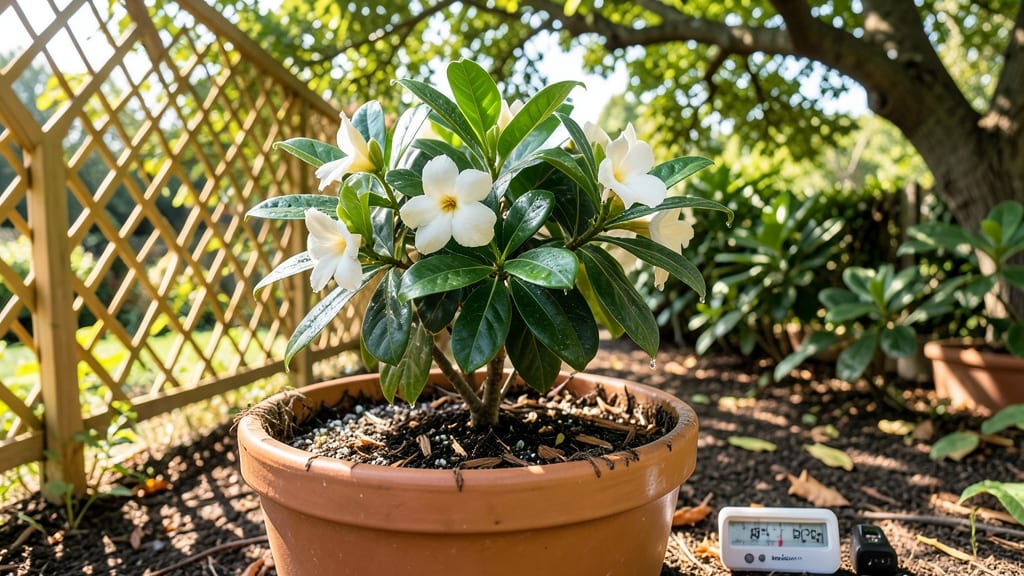
The August Beauty Gardenia sun requirements demand a delicate balance of light to keep those fragrant blooms thriving all season long 🌸—too much or too little can turn your prized shrub into a sad, sparse shadow of itself.
Picture this: you’ve spent months nurturing your August Beauty Gardenia, only for it to reward you with a handful of blooms instead of the lush, continuous display you dreamed of.
The culprit? Sunlight—or the lack of it. Too harsh, and the leaves crisp; too little, and the buds never open. Mastering this balance is the key to unlocking year-round blooms.
In most climates, including USDA Zone 6a, this variety thrives with 4 to 6 hours of morning sun followed by afternoon shade. But here’s the catch: coastal areas, hot summers, or even a south-facing yard can throw off this perfect equation.
Without adjustments, you’re left with stressed plants and missed blooming seasons.
Below, I’ll break down exactly how to read your Gardenia’s light needs, adjust for your microclimate, and fix common mistakes—so you can finally enjoy those fragrant, white blooms from spring through fall without guesswork.

August Beauty Gardenia sun requirements: ideal light balance for maximum blooms
The August Beauty Gardenia thrives on bright, indirect light—a balance that rewards gardeners with abundant, fragrant blooms year-round. Unlike many tropical plants, this variety isn't a fan of harsh, midday sun, which can scorch its delicate leaves.
Instead, it craves morning sunlight paired with afternoon shade, creating the perfect light temperature for optimal growth.
Understanding this balance is key: too little light leads to sparse blooms and leggy growth, while too much causes leaf burn and bud drop. The ideal scenario? 4-6 hours of morning sun followed by dappled shade, mimicking its native understory habitat.
This approach ensures your August Beauty Gardenia stays lush, healthy, and bursting with flowers.
| Light Condition | Sunlight Hours | Bloom Impact | Leaf Health | Best For |
|---|---|---|---|---|
| Full Sun (6+ hours) | 6-8 hours | Reduced blooms | Leaf scorch | Hot, arid climates (use afternoon shade) |
| Partial Sun (4-6 hours) | 4-6 hours (morning) | Abundant blooms | Healthy, glossy | Ideal for most climates |
| Partial Shade (2-4 hours) | 2-4 hours (filtered) | Moderate blooms | Pale leaves | Coastal areas or dense shade |
| Full Shade (<2 hours) | 0-2 hours | Minimal blooms | Leggy growth | Avoid in most cases |
The August Beauty Gardenia loves morning sunlight because it provides the intensity it needs without the heat stress of afternoon rays.
If you're in a hot climate (Zones 8-10), aim for 3-4 hours of morning sun and protect it from the harsh afternoon sun with a lightweight shade cloth (30-50%). This mimics its natural habitat under taller trees.
Seasonal adjustments are crucial. During summer months, your gardenia may need more afternoon shade to prevent leaf burn. In winter (Zones 7 and below), it can tolerate slightly more direct light since days are shorter.
Always monitor leaf color: dark green and glossy means it's happy, while yellowing or brown edges signal light stress.
For container gardeners, place your August Beauty Gardenia near an east-facing window or under a sheer curtain to filter harsh light. If indoors, supplement with a grow light (12-14 hours/day) during winter to maintain bloom production.
Avoid placing it in south-facing windows without protection, as this can lead to sunburned leaves.
One common mistake is assuming more sun equals more blooms. In reality, too much direct sun triggers the plant to focus on leaf production over flowers. The key is consistent, gentle light exposure.
If you notice buds dropping before opening, it's a clear sign of light stress—likely from afternoon sun exposure. Move it to a shadier spot immediately.
To maximize blooms, rotate your gardenia every few weeks so all sides receive even light exposure. This prevents lopsided growth and ensures balanced flowering. Pair this with regular pruning after blooming to encourage new growth in optimal light zones.
With the right light balance, your August Beauty Gardenia will reward you with continuous, fragrant blooms from spring through fall.
Pro tip: Use a light meter or observe your gardenia's shadow pattern throughout the day. The ideal spot should provide bright but diffused light, similar to what you'd find under a light canopy of trees.
This mimics its natural environment and sets the stage for healthy, vibrant growth.
Remember, the August Beauty Gardenia is a tropical plant that thrives in gentle light conditions. Treat it like a sunbathing connoisseur—it wants just enough to feel energized, but not so much that it gets overwhelmed.
With this approach, you'll unlock its full blooming potential and enjoy its intoxicating fragrance for years to come. 🌸
How to adjust sunlight for August Beauty gardenias in different climates
The August Beauty Gardenia thrives in morning sun and afternoon shade, but its needs shift dramatically across climates. In hot, humid zones like Florida or Louisiana, intense afternoon sun can scorch leaves, while coastal areas with salty winds may require extra protection.
Even in cooler regions like the Pacific Northwest, sunlight intensity varies—direct sun in summer can be too harsh, while winter light may feel insufficient. The key is adapting to your microclimate to prevent leaf scorch or bud drop.
Start by observing your gardenia’s current location. If leaves show yellowing edges or crispy brown spots, it’s likely getting too much direct sun. Conversely, pale, sparse leaves and fewer blooms signal insufficient light.
Adjusting sunlight isn’t just about moving the plant—it’s about understanding seasonal sun paths and using strategic shade solutions like lattice screens or lightweight fabric.
⚠️ callout-warning ⚠️
Moving your gardenia from full shade to full sun (or vice versa) too quickly causes sunburn or shock. Always acclimate plants over 7-10 days by gradually increasing or decreasing light exposure. For example, if relocating to a sunnier spot, start with 2 hours of morning sun and add 1 hour daily until reaching the ideal 4-6 hours.
Pro Tip: Use dappled shade cloth (30-50% coverage) to ease transitions.
In hot, humid climates, prioritize morning sunlight (6 AM–10 AM) and afternoon shade (2 PM–6 PM). The intense midday sun (10 AM–2 PM) is the most damaging, so position your gardenia near a west-facing wall or under a tree with sparse branches.
If planting near a coastal area, shield it from salty winds with a windbreak made of bamboo screens or native shrubs like murraya paniculata.
For cooler climates (USDA Zones 7-9), extend sunlight in winter months by placing the plant near a south-facing window or using a reflective surface (like a white wall) to amplify light. In container gardens, rotate pots quarter-turns weekly to ensure even light exposure.
If your gardenia is in a low-light area, supplement with a grow light (12-14 hours/day) during short-day seasons (fall/winter) to maintain blooming.
Microclimates matter! A shady corner near a building may get more light than you think—test it with a sunlight meter or observe shadows at solar noon.
If your gardenia is in a microclimate hotspot (e.g., a paved area that radiates heat), add a layer of mulch (3-4 inches) to insulate roots and reduce stress. Pair this with daily watering in the morning to keep soil consistently moist but not soggy.
Finally, prune strategically to balance sunlight. Thin out dense foliage in the plant’s interior to allow light penetration, but avoid cutting back more than 25% of the plant at once. Prune after flowering (late summer/early fall) to encourage new growth that can handle next year’s sun exposure.
With these adjustments, your August Beauty Gardenia will reward you with year-round blooms and glossy, healthy foliage—no matter your climate! 🌿☀️