Tools
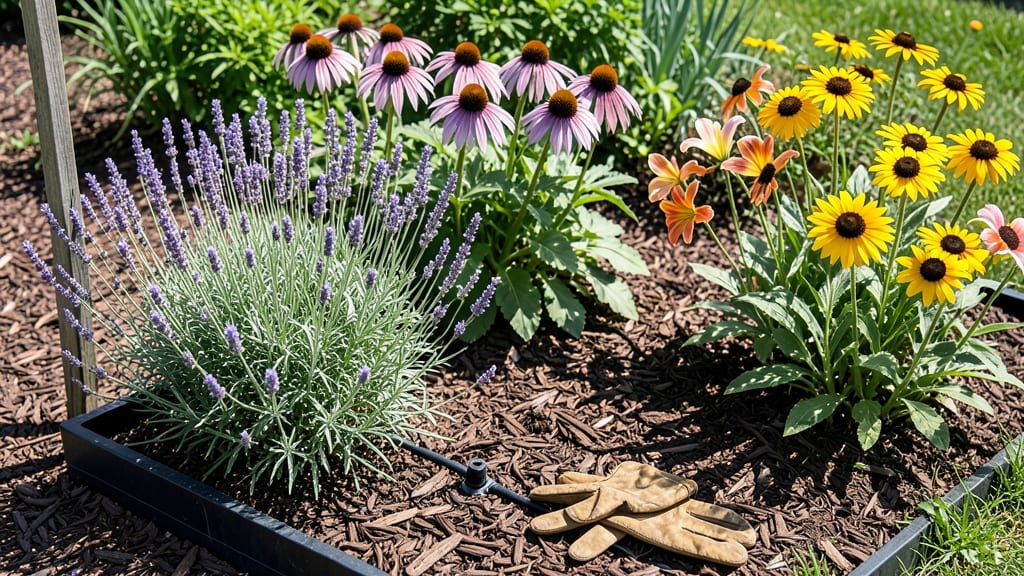
The best place for a garden depends on sunlight, soil, and space — and getting it right can turn a patch of dirt into a thriving green oasis. 🌱
Picture this: you’ve spent hours picking plants, only to watch them wilt because the spot you chose gets swamped in shade or baked by relentless afternoon sun. That’s why location isn’t just about aesthetics—it’s the foundation of every successful garden.
From urban balconies to rural backyards, the right spot balances sunlight needs (like 6+ hours for most veggies), well-draining soil, and enough room to grow.
Whether you’re working with a tiny container or a sprawling yard, we’ll break down the secrets to choosing a location that works for your plants and your lifestyle.
Ready to stop guessing and start growing? Here’s how to evaluate your space, avoid common pitfalls, and pick a spot that sets your garden up for success—no matter where you live.
Sunlight requirements for different plant types: where to place your garden
Choosing the best place for a garden starts with understanding your plants' sunlight needs. Most vegetables and herbs thrive in full sun (6+ hours daily), while shade-loving plants like ferns and hostas prefer partial or full shade.
The key is matching your yard's natural light patterns with your plants' requirements to maximize growth and yield.
Before planting, observe your yard's sunlight exposure for at least 24 hours to identify full sun, partial shade, and full shade areas. Use a sunlight mapping tool or place stakes in different spots to track light changes throughout the day.
This simple step prevents costly mistakes like placing sun-worshipping tomatoes in a shady corner.
Here’s how to categorize your garden spots based on sunlight exposure:
| Sunlight Type | Hours of Sunlight | Best Plants | Ideal Placement |
|---|---|---|---|
| Full Sun | 6+ hours | Tomatoes, Peppers, Basil, Marigolds | South or west-facing areas |
| Partial Shade | 3-6 hours | Lettuce, Spinach, Coleus, Impatiens | East-facing or dappled shade |
| Full Shade | 0-3 hours | Hostas, Ferns, Caladiums, Astilbe | North-facing or under trees |
For vegetables like tomatoes and peppers, prioritize south-facing beds where they’ll receive uninterrupted sunlight from mid-morning to late afternoon. These heat-lovers need warmth to produce fruit, so avoid placing them near tall structures that cast shadows.
If your yard lacks full sun, consider container gardening on a sunny patio or deck.
Herbs such as basil and rosemary also crave full sun exposure, but they’re more adaptable than vegetables. Place them near your kitchen for easy access, but ensure they get at least 4-6 hours of sunlight daily.
If your herbs start looking leggy or pale, they’re begging for more light—move them closer to a sunny window or use a grow light indoors.
Flowers like sunflowers and zinnias are perfect for full sun spots, while shade-tolerant flowers such as impatiens and fuchsias thrive under trees or on north-facing walls. Mixing these in your garden creates layers of color and texture while utilizing every inch of space efficiently.
Seasonal changes can shift your garden’s sunlight dynamics. In summer solstice, shadows are shorter, so a spot that gets partial shade in spring might turn into full sun by midday. Adjust your plant placement accordingly—move heat-sensitive plants like spinach or lettuce to shadier spots as temperatures rise.
If your yard has limited sunlight, focus on shade-loving plants or use reflective surfaces like white walls or mulch to bounce extra light onto your garden beds.
Even 2-3 hours of direct sunlight can support herbs like parsley or cilantro, while artificial grow lights can extend the growing season for indoor plants.
Remember, the best place for a garden isn’t just about sunlight—it’s also about accessibility and convenience. Place your most-used plants near a water source and walking path so you’re more likely to tend to them regularly. A well-planned layout saves time and keeps your garden thriving all season long.
Soil and space considerations: hidden factors that make or break garden success
Choosing the best place for a garden isn't just about sunlight—your soil quality and available space play equally critical roles. Even the sunniest spot can fail if the soil is compacted or lacks nutrients, while cramped spaces demand creative solutions like vertical gardening or containers.
Let's break down these often-overlooked factors to set your garden up for success.
Before digging, test your soil drainage by digging a hole and filling it with water. If it drains within 4-6 hours, your soil is likely well-suited for most plants. If water pools, amend with compost or sand to improve aeration.
Poor drainage leads to root rot, while fast-draining soil may require organic matter to retain moisture for thirsty plants like tomatoes or peppers.
✅ Pros of Ideal Garden Spots
- Well-draining soil prevents root rot
- 6+ hours of sun for most vegetables
- 3-4 ft width for easy access
- Proximity to water reduces hose struggles
- Level ground avoids erosion issues
❌ Cons of Poor Garden Locations
- Clay-heavy soil suffocates roots
- Less than 4 hours sun limits plant choices
- Tight corners make maintenance difficult
- No shade risks heat stress in summer
- Uneven terrain creates water pooling
💡 Pro Tip: Use raised beds to control soil quality in problematic spots
For limited spaces, containers and vertical gardens are game-changers. Herbs like basil and thyme thrive in 6-inch pots on sunny windowsills, while trailing plants like nasturtiums add greenery to walls.
Just ensure containers have drainage holes—root rot from poor drainage is the #1 killer of potted plants. Mix in coco coir or perlite to improve container soil's moisture control.
Create microclimates for sensitive plants by using reflective surfaces like white mulch or light-colored walls to bounce sunlight onto north-facing areas. Evergreens or tall shrubs can shield delicate flowers from harsh afternoon sun.
In urban areas, consider green roofs or hanging baskets to maximize vertical space while keeping plants at optimal heights for sunlight exposure.
Don't overlook future growth when planning space. A dwarf tomato plant may start small, but it'll need 18-24 inches of clearance to mature. Similarly, fruit trees require 15-20 feet of space unless you practice dwarf varieties with proper pruning.
Sketch a rough layout before planting to visualize how your garden will evolve over seasons.
Even the most sun-drenched spot fails without proper soil prep. Amend clay soil with compost and gypsum, while sandy soil benefits from peat moss or leaf mold.
A simple pH test (available at garden centers) tells you if your soil is too acidic or alkaline—most vegetables prefer a 6.0-7.0 range. Adjust with lime to raise pH or sulfur to lower it.
Remember, the best place for a garden balances these factors: sunlight, soil health, and available space. Start small, test your conditions, and don't hesitate to adapt—even the most perfect spot can be improved with the right amendments and creative planning. Happy digging! 🌱