Planting
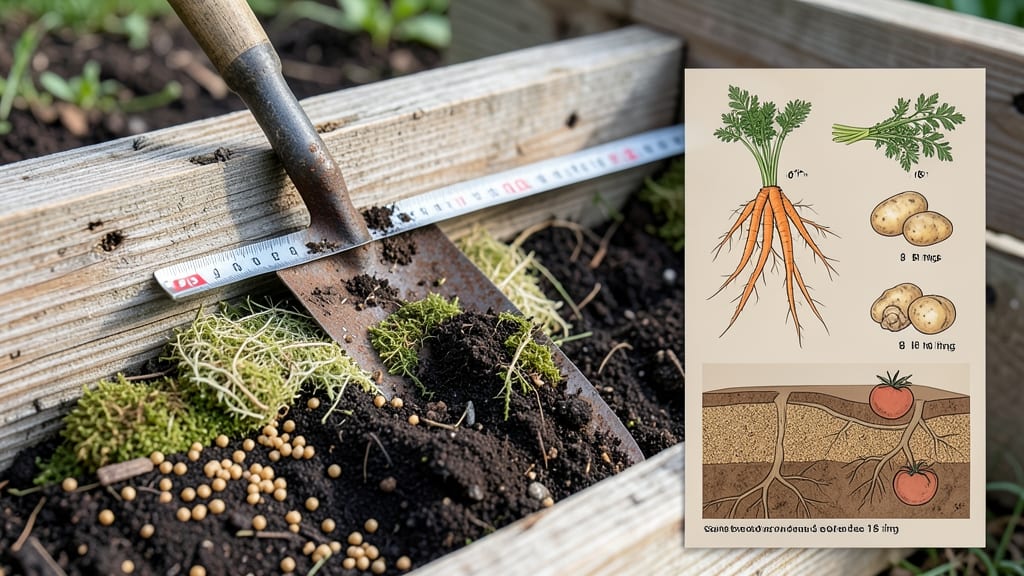
How deep to make raised garden beds depends on what you’re growing—most vegetables thrive in 6 to 12 inches of soil, while root crops like carrots or potatoes need 12 to 18 inches to grow properly 🌱.
Struggling to decide how deep your raised garden beds should be? The right soil depth can mean the difference between thriving plants and stunted growth.
Too shallow, and roots get cramped; too deep, and you waste materials while risking poor drainage. This guide breaks down the science of soil depth, from shallow herbs to deep-rooted tomatoes, so you can build a bed that works for your garden’s needs.
You’ll learn how to adjust for your soil type, climate, and even container gardening, plus how to layer soil for long-term fertility. Let’s dig in!
Ideal raised garden bed depth for common vegetables and plants
Getting your raised garden bed depth right is one of the most important decisions you’ll make for your plants. Too shallow, and root crops like carrots or potatoes will struggle to develop fully.
Too deep, and you’re wasting space, materials, and money. The good news? Most vegetables thrive in beds that are 6 to 12 inches deep, but some—especially deep-rooted varieties—need extra space to shine.
Think about the root system of your plants. Shallow-rooted greens like lettuce or spinach only need 6 inches of soil, while heavy feeders like tomatoes or squash benefit from 12 to 18 inches.
Even herbs like basil or parsley prefer deeper beds for better nutrient access. Let’s break down the perfect depth for your favorite plants to maximize your harvest.
Here’s the key: raised beds should match the root depth of your plants. For example, radishes (with shallow roots) can thrive in just 6 inches of soil, while asparagus (a deep-rooted perennial) needs 12 to 18 inches to establish properly.
If you’re growing a mix of plants, aim for a 12-inch minimum to accommodate most vegetables and herbs.
| Plant Type | Root Depth | Ideal Bed Depth | Notes |
|---|---|---|---|
| Leafy Greens (Lettuce, Spinach, Kale) | 3-6 inches | 6 inches | Fast-growing; shallow roots |
| Herbs (Basil, Parsley, Chives) | 6-12 inches | 10-12 inches | Moderate root depth; benefits from deeper soil |
| Root Crops (Carrots, Beets, Radishes) | 6-12 inches (varies by variety) | 12-18 inches | Long roots need loose, deep soil |
| Tomatoes, Peppers, Eggplants | 12-18 inches | 12-18 inches | Deep roots; heavy feeders |
| Squash, Pumpkins, Cucumbers | 12-24 inches | 18-24 inches | Vining plants need extra depth and space |
| Potatoes, Sweet Potatoes | 12-24 inches | 18-24 inches | Tubers need room to expand |
| Strawberries, Shallow Perennials | 3-6 inches | 8-10 inches | Shallow roots but benefits from extra soil |
If you’re growing root vegetables like carrots or parsnips, pay extra attention to soil texture. Rocky or compacted soil can stunt root growth, even in deep beds. To prevent this, mix in compost or sand to create a loose, airy environment.
For potatoes, deeper beds (up to 24 inches) allow tubers to expand without crowding, reducing disease risk and improving yield.
For shallow-rooted plants like lettuce or
How to adjust raised bed depth for different soil types and climates
Not all raised garden beds are created equal—your local soil type and climate zone play huge roles in determining the perfect depth. A 6-inch bed might work for herbs in sandy soil, but root vegetables in clay need 12+ inches to thrive.
Let’s break down how to customize your bed depth for optimal results.
In northern climates, where winters are harsh, deeper beds (12–18 inches) help insulate roots and retain warmth. Meanwhile, southern climates with hot summers benefit from slightly shallower beds (8–12 inches) to prevent overheating. Container gardening? Stick to 6–10 inches—any deeper, and you’ll struggle with weight and drainage.
Here’s how to adjust your raised bed depth based on your growing conditions:
- 🏜️ Sandy Soil: Add 4–6 inches of organic matter (compost, peat moss) to prevent nutrient loss. Aim for 10–12 inches total depth—sandy soil drains too fast without extra amendments.
- 🏗️ Clay Soil: Increase depth to 12–18 inches to break through compaction. Mix in coarse sand or perlite for drainage. Clay holds moisture but suffocates roots if too dense.
- ❄️ Northern Climates (Zones 3–5): Go 12–18 inches deep to protect roots from freeze-thaw cycles. Add straw mulch on top for extra insulation.
- ☀️ Southern Climates (Zones 7–10): Keep beds 8–12 inches deep to avoid overheating. Use shade cloth in peak summer if growing heat-sensitive crops like lettuce.
- 🪴 Container Gardening: Limit depth to 6–10 inches—deeper containers become unwieldy. Use lightweight potting mix with added perlite for aeration.
- 🌿 Layering Tip: For nutrient retention, layer 6 inches of compost at the bottom, followed by topsoil, then a 1-inch mulch layer on top. This mimics natural soil horizons.
For layered soil profiles, start with a 6-inch base of coarse material (gravel or bark chips) for drainage, then add 6 inches of compost, and top with 6 inches of topsoil. This setup works wonders for heavy clay or sandy soils by balancing drainage and nutrient retention.
Pro tip: Test your soil’s drainage by filling a hole with water—if it drains in under 2 hours, you need more organic matter. If it takes 4+ hours, amend with sand or gypsum. Adjust your bed depth based on these results!
Remember, accessibility matters. Beds over 18 inches become harder to maintain, while those under 6 inches limit root growth. Tailor your depth to your plants’ needs, soil type, and local climate for a thriving garden every season. 🌱