
Light Requirements
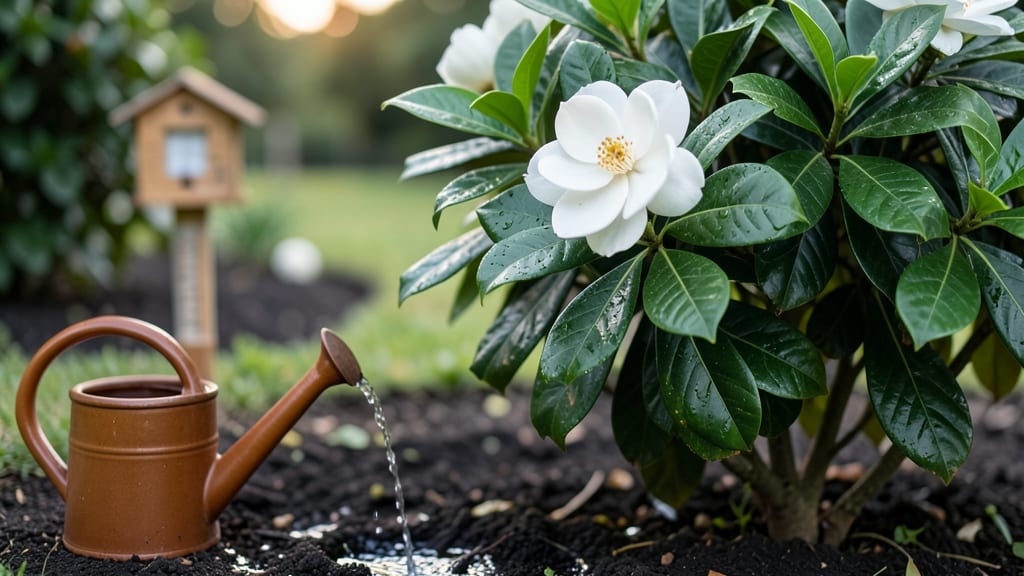
Do gardenias need a lot of water? The answer is yes—but only if you strike the right balance, because too much can drown their delicate roots 🌸. Picture this: your gardenia’s glossy leaves start yellowing, the buds drop before they open, and the air loses that signature intoxicating scent.
That’s not just a sad plant—it’s a cry for help, and the answer often lies in how you’re watering it.
These tropical shrubs crave moist but well-draining soil, which means deep waterings every 2-3 days in summer, but cutting back in cooler months. Overwatering is the silent killer, while underwatering stunts blooms—neither gives you the fragrant, lush gardenia you planted for.
In this guide, I’ll break down the science of watering gardenias, from soil checks to seasonal tweaks, so you can keep your plant happy, blooming, and smelling like a spring garden all season long.


How much water do gardenias really need? The science of moisture balance
Gardenias thrive in consistent moisture but despise soggy roots—a delicate balance that mirrors their tropical origins. As a gardener who’s nursed wilting gardenias back to health, I’ve learned their water needs are more nuanced than simply "a lot."
These fragrant shrubs demand regular hydration without becoming waterlogged, making soil moisture the key to their success.
The ideal watering schedule depends on climate, soil type, and pot size. In my Zone 6 garden, gardenias need watering every 2-3 days in summer when temperatures climb above 80°F, but only bi-weekly in winter when growth slows.
The secret lies in deep watering—soaking the root zone until water drains freely while avoiding surface puddles.
| Season | Frequency | Depth | Soil Test |
|---|---|---|---|
| Spring | Every 2-3 days | 6-8 inches | Top 1" dry |
| Summer | Daily (early AM) | 8-10 inches | Top 2" dry |
| Fall | Every 3-5 days | 4-6 inches | Top 1" dry |
| Winter | Bi-weekly | 3-4 inches | Top 2" moist |
Gardenias hate fluctuating moisture levels, which is why I always check soil moisture with my finger before watering. Stick your finger 2 inches deep—if it feels dry, it’s time to water.
In containers, gardenias dry out faster, so I water every 1-2 days in summer, but never let them sit in saucers of water, which causes root rot.
One common mistake I see is watering at night, which promotes fungal diseases like powdery mildew. Instead, water early morning when temperatures are cooler, giving foliage time to dry before evening.
My gardenias in partial shade need slightly less water than those in full sun, but both require well-draining soil mixed with compost to retain moisture without suffocating roots.
The signs of underwatering are unmistakable: drooping leaves, yellowing foliage, and buds that fail to open. I’ve revived many gardenias by giving them a deep soak and mulching with 2-3 inches of organic mulch to lock in moisture.
Overwatering, however, causes yellow leaves, mushy stems, and a sour smell from the soil—clear indicators your gardenia is drowning.
Humidity plays a crucial role in gardenia care. In dry climates, I increase watering frequency and use a pebble tray under pots to boost humidity. For outdoor plants, grouping gardenias together creates a microclimate that retains moisture longer.
My Zone 6 gardenias thrive with this approach, even during our hot, dry summers.
To test your gardenia’s moisture needs, dig down 6 inches after watering. If the soil feels damp but not soggy, you’re on the right track. If it’s bone dry, increase frequency slightly.
The goal is to mimic their tropical rainforest habitat—consistent moisture without waterlogging. With this balance, your gardenias will reward you with abundant blooms and intoxicating fragrance all season.
Remember, gardenias are not drought-tolerant, but they also won’t survive neglect. The key is observation: watch your plant’s response to watering and adjust accordingly. With the right moisture balance, your gardenias will flourish for years to come. 🌸
Gardenia watering mistakes that kill blooms (and how to fix them)
Gardenias thrive in consistent moisture, but their delicate blooms can suffer from even small watering missteps. Too much water causes root rot, while too little leads to dropped buds and wilted leaves.
The key is finding that balanced moisture—neither soggy nor bone-dry. I’ve learned this the hard way after watching my gardenias struggle during heatwaves and rainy seasons.
One of the biggest mistakes is assuming gardenias need daily watering like thirsty annuals. In reality, their tropical roots prefer deep, infrequent watering that encourages strong root growth. Shallow watering keeps roots near the surface, making them vulnerable to drought stress.
I now water mine until the soil is 6 inches deep and moist, but not saturated.
Another common error is ignoring seasonal adjustments. During summer, I water my gardenias daily in the morning to prevent afternoon wilting, but in winter, I reduce it to every 10-14 days.
This shift prevents overwatering when the plant’s growth slows. Without this adjustment, I’ve seen gardenias develop fungal diseases from sitting in damp soil during cooler months.
⚠️ WARNING: The #1 Watering Mistake Killing Your Gardenias ⚠️
Mulching is another game-changer I overlooked for years. A 3-inch layer of organic mulch (like pine bark or shredded leaves) locks in moisture and regulates soil temperature. Without it, my gardenias needed watering twice daily in summer.
Now, I mulch annually in spring and rarely need to water more than once a day, even in heatwaves. Just avoid piling mulch against the stem—keep it 2 inches away to prevent rot.
Overwatering at night is a sneaky mistake that invites pests and disease. Wet foliage overnight creates the perfect environment for powdery mildew and aphids. I now water my gardenias between 6-9 AM so leaves dry quickly.
If you’ve noticed yellowing leaves or black spots, switch to morning watering immediately. Pair this with pruning crowded branches to improve airflow—my gardenias stayed healthier after this simple tweak.
Finally, don’t assume potted gardenias have the same needs as in-ground plants. Container-grown gardenias dry out 3x faster due to limited soil volume. I repotted mine into larger containers with drainage holes and added sphagnum moss to the potting mix to retain moisture.
Now, I water potted gardenias every 1-2 days in summer instead of daily. For extra insurance, I place saucers under pots to catch runoff and reuse the water on nearby plants.