Planting
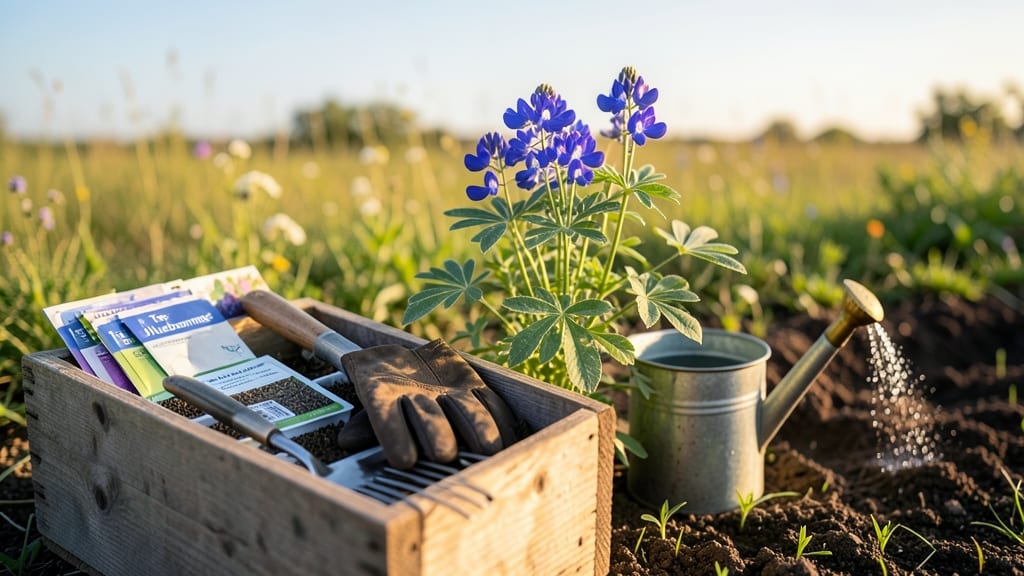
To plant a spring garden in Texas, aim for late February to early March in Zone 8a and early March to mid-March in Zone 8b — timing that dodges late frosts while beating the summer heat.
Texas gardeners know timing is everything—plant too early and frost wipes out your hard work, but wait too long and summer’s brutal heat zaps your crops. Mastering the perfect window means avoiding both extremes and maximizing your harvest.
Whether you’re sowing heat-loving tomatoes or cool-season greens, the right moment depends on your exact zone and microclimate. I’ll break down the frost-free deadlines, the best crops for Texas’ spring conditions, and how to stretch your planting season without risking failure.
By the end, you’ll know exactly when to get your seeds in the ground — and how to give them the best shot at thriving in Texas’ unpredictable spring weather.
Texas spring planting deadlines: frost dates by Zone 8a vs. 8b
Texas gardeners face a tricky balance—spring frost can still nip tender seedlings in Zone 8a and 8b, while waiting too long risks summer’s blistering heat stunting your crops. Understanding your last frost dates and microclimate nuances is the key to timing perfect spring plantings.
In Zone 8a, where winters are slightly colder, your average last frost typically falls between March 15 and April 1, while Zone 8b enjoys a 2-week extension, often frost-free by April 1 to April 15.
These dates aren’t set in stone—elevation, urban heat islands, and even nearby water bodies can shift your frost-free window by 10 days or more.
For example, hill country gardens in Zone 8a might experience frost as late as April 10, while coastal areas in Zone 8b could be safe by March 20.
Always check your local Cooperative Extension Service for real-time updates, as La Niña or El Niño years can push frost dates earlier or later.
| Zone & Location | Avg. Last Frost | Safe Planting Window | First Frost Risk | Microclimate Adjustment |
|---|---|---|---|---|
| Zone 8a (e.g., Austin, San Antonio) | March 15–April 1 | April 15–May 10 | Nov 15–Dec 15 | Hill country: +7 days; Urban: -5 days |
| Zone 8b (e.g., Houston, Corpus Christi) | April 1–April 15 | April 15–May 20 | Nov 1–Dec 1 | Coastal: -10 days; Inland: +3 days |
| Both Zones: Heat-Sensitive Crops | N/A | Feb 15–March 15 (start indoors) | N/A | Use row covers for early starts |
For cool-season crops like lettuce, spinach, and peas, aim to plant 6–8 weeks before your last frost date. In Zone 8a, that means mid-January to early February for hardy varieties, while Zone 8b gardeners can start as late as late February.
Use row covers or cold frames to protect seedlings if nighttime temps dip below 30°F—even in Zone 8b.
Heat-loving crops like okra, sweet potatoes, and black-eyed peas can wait until after your last frost date, but don’t delay too long. Soil temperatures above 80°F can stress young plants, so prioritize April–early May plantings.
Test your soil temperature with a soil thermometer—ideal ranges are 60–70°F for most spring crops.
Microclimates play a huge role in Texas gardening. If your yard sits in a low-lying area, cold air pools there, increasing frost risk. Conversely, south-facing walls or paved surfaces create microclimates that warm up faster.
Use these spots to extend your planting season by 1–2 weeks for heat-sensitive crops. For example, plant tomato seedlings near your house’s south wall in Zone 8a by March 20 instead of waiting for April.
First-time Texas gardeners often make the mistake of planting too early and losing crops to frost or too late and struggling with summer heat.
A simple trick is to use the "10-day rule": If your local forecast predicts 10 days of warm, dry weather, it’s likely safe to plant. Pair this with the Texas A&M AgriLife Extension’s frost maps for the most accurate guidance.
Pro tip: Keep a planting journal for 2–3 years to track your local frost dates. Note when specific crops thrive or fail—this personal data often reveals 1–2 week adjustments to the average dates.
For instance, I’ve found that collard greens in my Zone 8a garden handle light frosts, while basil bolts by June unless I start it indoors in late February.
Remember, succession planting is your best friend in Texas. Instead of planting all your bush beans at once, stagger plantings every 2 weeks from April through June. This ensures a steady harvest and spreads out your risk if an unexpected frost hits.
Pair this with drip irrigation to maintain consistent moisture—critical during Texas’ unpredictable spring showers and dry spells.
Finally, don’t overlook soil preparation. Amend your beds with compost and aged manure in
Best spring vegetables for Texas gardens: heat-tolerant crops to prioritize
Texas’ spring garden thrives when you focus on heat-resistant vegetables that handle the state’s quick transition from mild winters to scorching summers. The key is selecting varieties that tolerate 90°F+ temperatures while still producing bountiful harvests.
My top picks balance yield potential and beginner-friendly care—no fragile lettuce or frost-sensitive greens here!
Start with okra, a Texas staple that not only loves heat but thrives in it. Plant seeds 2–3 weeks after your last frost date (typically mid-March in Zone 8a, early March in 8b) for pods ready by summer.
Next, sweet potatoes—slips planted in late April yield edible tubers by late summer, with minimal pest pressure.
For leafy greens that won’t bolt, Malabar spinach and Swiss chard are my go-to choices. Both handle Texas’ dry heat better than traditional spinach, and you can harvest leaves continuously from May through October. My secret? Mulch heavily to retain moisture and prevent soil crusting.
Don’t overlook herbs—rosemary, thyme, and basil all flourish in Texas springs. Plant basil in late March for a harvest window before summer’s intensity peaks, while rosemary (a perennial in Texas) rewards you with year-round growth if planted in well-draining soil with full sun exposure.
- 🌱 Okra: Plant 2–3 weeks post-frost; thrives in 90°F+ with 60+ days to harvest.
- 🍠 Sweet Potatoes: Slips in late April; harvest 100–120 days later for tubers.
- 🌿 Malabar Spinach: Heat-tolerant; sow March–April for continuous harvests.
- 🌶 Peppers (Jalapeño, Serrano): Transplant after last frost; fruiting begins in 60–75 days.
- 🌻 Black-Eyed Peas: Direct sow February–March; ready in 55–60 days.
- 🌿 Swiss Chard: Bolt-resistant; plant early spring for summer harvests.
- 🌱 Cucumbers (Lemon Cucumber): Sow April–May; trellis for higher yields.
- 🌿 Basil: Fast-growing; plant late March for 6–8 weeks of harvests.
- 🌱 Eggplant: Transplant after soil warms (60°F+); harvest in 70–85 days.
- ❌ Avoid: Lettuce, Kale, Broccoli (bolt in heat); Radishes (too fast for Texas’ slow springs).
For beginner gardeners, I recommend starting with black-eyed peas and jalapeño peppers. Both are forgiving, handle Texas’ unpredictable rains, and produce quickly—peppers in 60 days, peas in 55. Pro tip: Stake your peppers early to prevent wind damage during spring storms.
Skip the must-avoid list unless you’re prepared for disappointment. Lettuce, kale, and broccoli bolt within weeks of Texas’ first 85°F day, turning bitter and unusable. Instead, succession plant your heat-tolerant picks every 2 weeks from March through May to stretch your harvest season.
My final advice? Monitor soil temperature—aim for 60°F+ before planting heat-lovers like eggplant or okra. Use a soil thermometer (they’re cheap!) to avoid stunted growth.
With these 10 heat-resistant crops, your Texas spring garden will be productive, low-stress, and delicious—no matter how fast the mercury rises! ☀️