
Tools
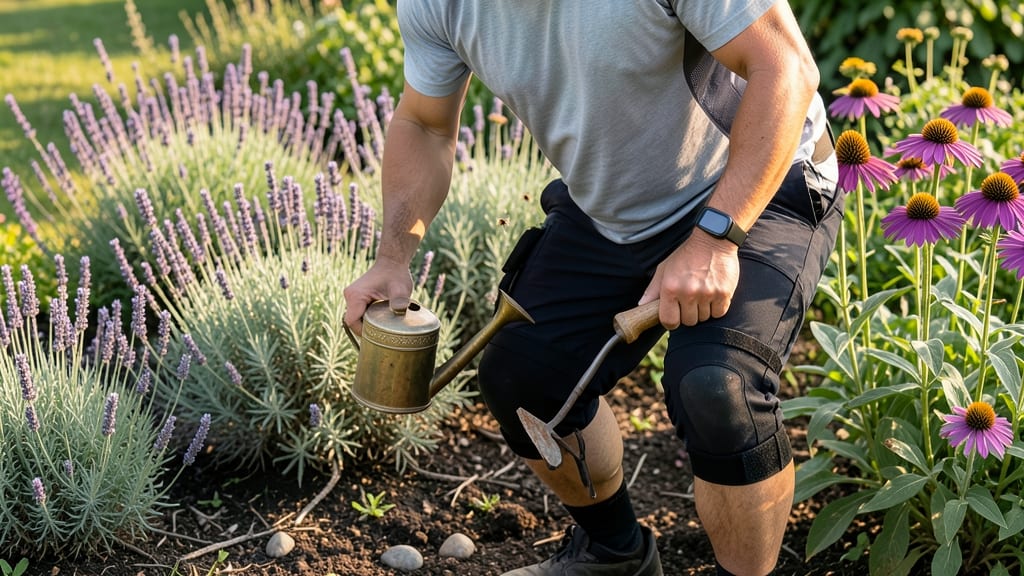
Gardening does count as exercise because it activates core muscles, arms, and legs while raising your heart rate—comparable to brisk walking or light jogging. A typical 30-minute session can torch 150-300 calories, depending on effort and body weight, and boosts strength and flexibility over time.
When you dig, lift, and maneuver tools, you're essentially doing a full-body workout that targets your legs (for stability), core (for balance), and arms (for pulling/planting).
Studies show outdoor activities like gardening can elevate your heart rate to moderate levels, similar to a brisk walk—especially when you're working against gravity or resistance. The real bonus?
You're getting fresh air and sunlight, which can further enhance your mood and energy levels. 🌱 For maximum benefits, focus on tasks like hauling soil or pruning heavy branches, as these require more effort than lighter chores.
What makes gardening unique is how it combines physical activity with mental relaxation. Unlike traditional workouts, it's often more enjoyable, which helps people stick with it longer. I've found that even light gardening sessions can improve endurance and joint mobility over time.
The key is consistency—adding just 20-30 minutes a few times a week can make a noticeable difference in your overall fitness.
💡 In This Article
- How Gardening Contributes to Physical Fitness
- Maximizing Gardening for Exercise Benefits
How gardening contributes to physical fitness
Gardening triggers a full-body workout by engaging muscles you might not realize you're using. When you dig, your legs and glutes bear weight and stabilize your stance, while your core muscles activate to maintain balance—especially when lifting or reaching.
Studies from the University of Utah found that gardening can elevate your heart rate to 50-70% of your maximum, comparable to a brisk walk or light jog. This zone is ideal for improving cardiovascular health without overtaxing your system.
The calorie burn depends on intensity, but research published in the Journal of Physical Activity and Health shows a 150-pound person can burn 150-300 calories in 30 minutes—similar to playing tennis or gardening vigorously.
Tasks like hauling 20-30 pounds of soil or pruning thick branches engage your shoulders and arms, while kneeling and reaching work your hamstrings and back extensors. The repetitive motions also improve flexibility, much like yoga or stretching routines.
What sets gardening apart is its low-impact nature, making it gentler on joints than running or jumping. The outdoor setting adds metabolic benefits too—sunlight exposure boosts vitamin D production, which supports muscle function and recovery.
Even light gardening can lower stress hormones like cortisol, creating a positive feedback loop for fitness motivation. 🌿 The combination of physical exertion and mental relaxation makes it a uniquely effective form of exercise.
Consider the science behind posture: Proper form (like bending at the knees instead of the waist) reduces strain on your lower back while increasing muscle activation.
Research from the American Journal of Lifestyle Medicine highlights how gardening's varied movements—digging, planting, weeding—mimic functional fitness training, improving daily mobility better than isolated gym exercises. The key is maintaining dynamic movement rather than static positions.
For comparison, a 180-pound person might burn 300-450 calories in an hour of intense gardening, while a 120-pound person would burn 200-300 calories. The variability shows how body weight and effort level directly impact energy expenditure.
Unlike treadmills, gardening adapts to your pace, making it accessible for all fitness levels.
Don't underestimate the metabolic boost from fresh air—studies show outdoor exercise increases oxygen uptake by 10-15% compared to indoor workouts. This enhanced efficiency means you're getting more "bang for your buck" in terms of cardiovascular benefits.
The sensory engagement (touching soil, smelling plants) also triggers endorphin release, further amplifying the exercise benefits. 🌱