
Fertilization
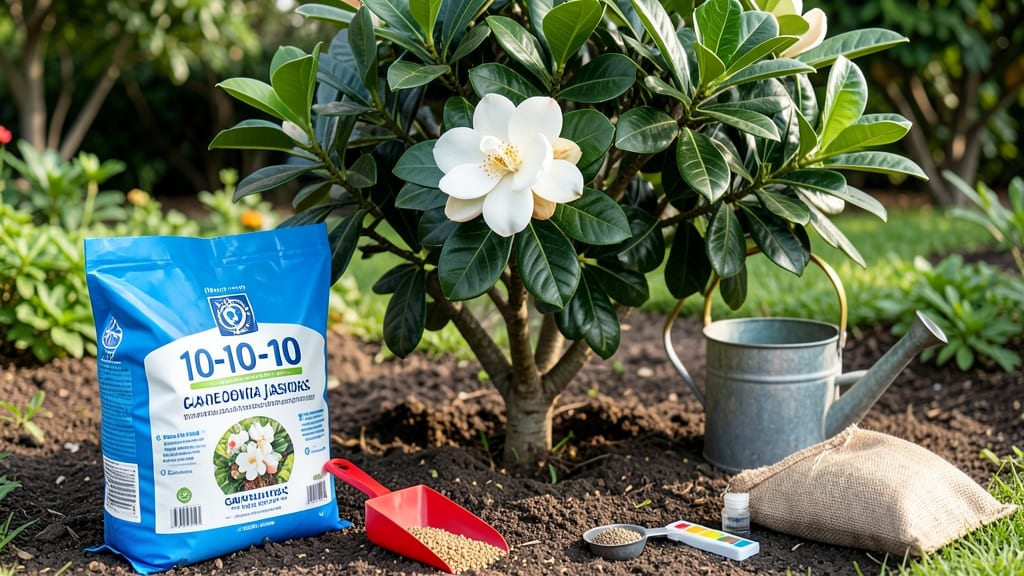
The right fertilizer for gardenia tree 🌸 is the secret to those show-stopping white blooms and intoxicating fragrance that make your garden the envy of the neighborhood.
Yet most gardeners overlook its acid-loving needs, leading to stunted growth and sparse flowers—even when they’re watering and pruning "just right." The difference between a thriving gardenia and a struggling one often comes down to feeding it the proper nutrients in the right amounts.
Below, I’ll break down the best acidic fertilizers (organic and synthetic), the ideal feeding schedule for your climate, and how to avoid the common mistakes that turn your gardenia’s leaves yellow or drop its buds before they open.
You’ll learn how to test your soil’s pH, when to feed (and when to skip), and even a few DIY tricks to keep your gardenia blooming like a pro—no chemistry degree required.

Best acidic fertilizers for gardenia trees and how to choose them
Gardenia trees (🌸) crave acidic soil with a pH between 4.5 and 6.0—anything higher, and you’ll see yellowing leaves and fewer blooms. The wrong fertilizer can actually raise soil pH, locking out essential nutrients like iron and magnesium.
That’s why choosing the right acidic fertilizer is your first step toward lush, fragrant foliage and abundant flowers.
Most gardeners make one of two mistakes: they either skip acidic fertilizers entirely or overuse synthetic blends, which can burn roots or alter soil chemistry. The solution? A balanced approach—mixing organic matter with slow-release acidic nutrients.
Below, we break down the best options, from store-bought to DIY, so you can feed your gardenia the way nature intended.
🌱 Pro Tip: Always test your soil’s pH before fertilizing. A simple home pH kit (under $10) will tell you if your gardenia’s soil is too alkaline. If it’s above 6.0, you’ll need to lower pH first—we’ll show you how.
Synthetic fertilizers like iron sulfate and azalea blends are fast-acting but require precise dosing. Overuse can raise soil pH or burn roots, so always dilute and water thoroughly after application. For example, iron sulfate should never be applied dry—always mix with water first.
Organic options like peat moss and coffee grounds are gentler and slow-release, making them ideal for long-term soil health.
However, they break down over time, so you’ll need to reapply every 3-6 months. Pine needles are a zero-cost solution if you have access to them—just mulch around your gardenia’s base in early spring.
If your gardenia is potted, opt for liquid acidic fertilizers like citrus acid blends. These dissolve quickly and won’t compact soil like granular options. Always flush the pot with water after feeding to prevent salt buildup, which can stunt growth.
For DIY enthusiasts, a homemade acidic fertilizer is simple: mix 1 cup coffee grounds, 1 tbsp Epsom salt (for magnesium), and 1 gallon of water. Let it steep for 24 hours, then water your gardenia
Seasonal fertilizing schedule for maximum gardenia blooms
Timing your gardenia tree’s fertilizer applications is just as important as choosing the right blend. These acid-loving plants need a tailored schedule to produce their signature fragrant white blooms without risking nutrient burn or stunted growth.
Think of each season as a chapter in your gardenia’s care story—spring awakens roots, summer fuels flowers, fall replenishes reserves, and winter lets the plant rest.
I’ve grown gardenias in Zones 9b-11 for over a decade, and the difference between a bloom-heavy plant and a sparse-leaved one comes down to this schedule. The key? Balanced feeding with acidic fertilizers (pH 5.0–6.5) and proper dilution to avoid salt buildup.
Let’s break it down by season so you can give your gardenia exactly what it needs, when it needs it.
Apply root stimulator (e.g., fish emulsion or mycorrhizal inoculant) to wake up roots after dormancy.
Frequency: Every 4 weeks starting after last frost.
Dilution: Half-strength (mix 1 tbsp fertilizer per 1 gallon water).
Switch to bloom booster (e.g., 8-3-9 acidic fertilizer or citrus acid blend).
Frequency: Every 6 weeks (reduce in extreme heat).
Dilution: Full-strength (follow label) but avoid wetting leaves.
Use low-nitrogen fertilizer (e.g., 5-10-10) only if new growth appears.
Frequency: Once (late September) or skip if dormant.
Dilution: Quarter-strength (1 tsp per gallon).
No fertilizer—gardenias in Zones 9-11 rest; those indoors need minimal feeding (monthly micronutrient spray).
Focus on watering adjustments (bi-weekly) and humidity (mist leaves).
Watch for over-fertilization signs like crispy leaf edges or bud drop—these mean you’re overdoing it. Under-fertilized gardenias show yellowing leaves or slow growth. The secret? Test soil pH every spring (aim for 5.0–6.5) and adjust with sulfur or peat moss if needed.
Pro tip: I mix 1 tbsp azalea fertilizer into the top 2 inches of soil in spring, then top-dress with pine needles to maintain acidity. For potted gardenias, flush the soil with water 3x annually to prevent salt buildup.
Your gardenia will reward you with glossy leaves and heavy blooms by next season!