
Tools
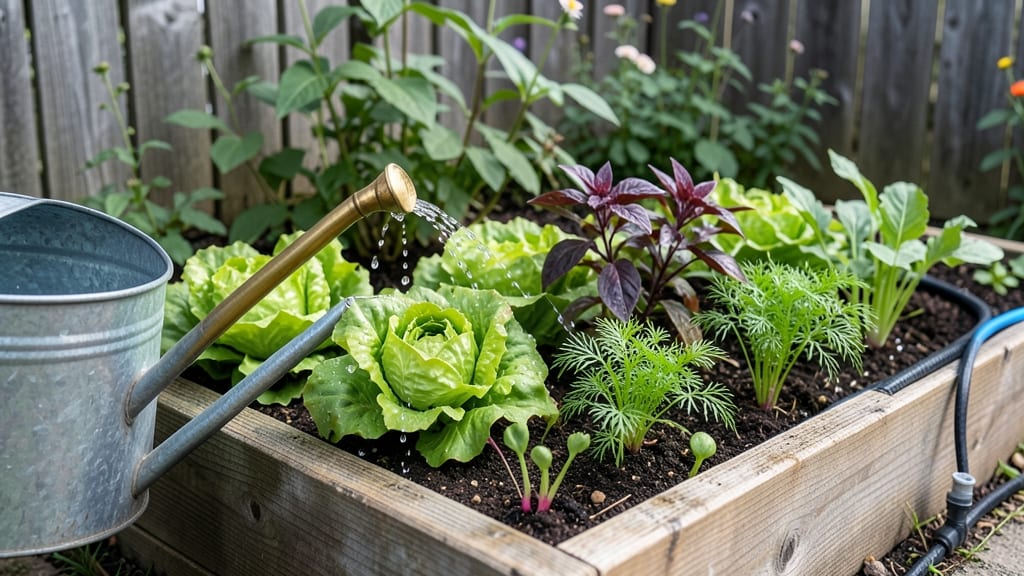
Watering your garden bed properly keeps plants thriving without wasting a drop — and drip irrigation is the game-changer you’ve been missing.
Struggling with uneven watering that leaves some plants thirsty while others drown? A smart drip irrigation system could transform your garden bed into a self-regulating oasis—saving time, water, and your plants’ lives.
Most gardeners overwater or underwater by guessing, but drip systems deliver moisture right to the roots where it matters most. You’ll learn how to set up a system that works with your soil type, adjust for seasonal shifts, and even cut your water bill by up to 30%.
From choosing the right emitters to scheduling watering cycles, this guide covers everything you need to turn your garden bed into a low-maintenance, high-yield paradise.


How drip irrigation systems work for garden beds (and why they outperform hoses)
If you’ve ever watched water from a hose spray wildly across your garden bed—soaking some plants while leaving others parched—you know the frustration. Traditional watering methods waste up to 50% of water through evaporation and runoff.
That’s where drip irrigation shines. This precision system delivers water directly to roots, cutting waste while keeping soil evenly moist. Unlike hoses, it works quietly, efficiently, and even while you’re away.
At its core, a drip system uses a low-pressure network of tubing with tiny emitters that release water slowly. These emitters can be adjusted for flow rate and spacing, letting you customize watering for each plant’s needs—whether it’s a thirsty tomato or a drought-tolerant lavender.
The system also includes a backflow preventer and pressure regulator to protect your plants and plumbing from damage.
Here’s how it compares to traditional methods in key areas:
| Feature | Drip Irrigation | Hose Watering | Sprinklers |
|---|---|---|---|
| Water Efficiency | 90%+ (direct to roots) | 50-60% (runoff/evaporation) | 60-70% (wind loss) |
| Water Pressure Needed | Low (10-30 PSI) | High (40-60 PSI) | Moderate (30-50 PSI) |
| Root Zone Moisture | Deep, consistent | Surface-level | Shallow, uneven |
| Weed Growth | Minimal (targeted) | High (broad spray) | High (full coverage) |
| Fungal Risk | Low (dry foliage) | High (wet leaves) | Moderate (depends on timing) |
| Setup Cost | $20-$100 (DIY) | $0 (just hose) | $50-$300 (sprinkler heads) |
| Maintenance | Low (check emitters) | High (clogs, leaks) | Moderate (clean nozzles) |
The real magic happens with zoning. A well-designed drip system divides your garden into zones based on plant types. For example, your tomatoes and peppers might need 1 gallon per hour per emitter, while herbs like basil thrive with just 0.5 gallons per hour.
A manual valve or automatic timer lets you control each zone independently, so you’re not overwatering your succulents while underwatering your cucumbers.
Another game-changer is the ability to fertigate—mixing fertilizer directly into the irrigation water. This ensures nutrients reach roots without burning foliage, a common issue with overhead watering.
For instance, I add a balanced 10-10-10 fertilizer every 2 weeks during peak growing season, and my peppers produce 30% more fruit than before. The system even includes a filter to prevent clogs from debris, so you won’t spend hours cleaning emitters.
Let’s talk about pressure
5 Smart drip system features to save water and boost plant growth
If you're tired of guessing whether your garden bed is getting just the right amount of water, a smart drip irrigation system can take the guesswork out of plant care. These systems don't just water—they optimize growth, save water, and adapt to your plants' needs.
The best part? Many features require minimal effort from you once set up. Let's explore the top 5 features that make smart drip systems a game-changer for busy gardeners.
First, consider a system with programmable timers. This allows you to set specific watering schedules based on your plants' needs and your local climate. For example, tomatoes and peppers thrive with deep watering every other day, while herbs like basil prefer lighter, more frequent watering.
A timer ensures consistency without you lifting a finger.
Next, look for systems with moisture sensors. These sensors detect soil moisture levels and adjust watering automatically. For instance, if your garden bed has sandy soil, which drains quickly, the sensor will trigger more frequent, shorter watering cycles.
This prevents overwatering while ensuring roots stay hydrated. It’s like having a green thumb on standby 24/7.
For those who want to go the extra mile, fertigation is a standout feature. This combines irrigation with fertilization, delivering nutrients directly to the roots through the water stream. Imagine your vegetable garden getting a steady dose of balanced fertilizer every time it waters!
This not only saves time but also promotes faster, healthier growth. Just be sure to use a water-soluble fertilizer designed for drip systems.
Another must-have is pressure regulation. Uneven pressure can cause some emitters to drip too fast or too slow, leading to inconsistent watering.
A regulated system ensures that every plant in your garden bed receives the same amount of water, whether it's a delicate herb or a hardy tomato plant. This feature is especially useful in sloped gardens or multi-level beds where pressure can vary.
Finally, remote monitoring lets you control and monitor your drip system from your smartphone. Whether you're at work or on vacation, you can check soil moisture levels, adjust watering schedules, or even receive alerts if something goes wrong.
This level of control means you can trust your system to keep your garden bed thriving, even when you can't be there in person.
Investing in a smart drip system with these features will not only save you time and water but also give your plants the consistent care they need to flourish.
Start with one or two features that fit your garden’s needs, and gradually upgrade as you see the benefits firsthand. Your plants—and your water bill—will thank you! 🌱