
Tools
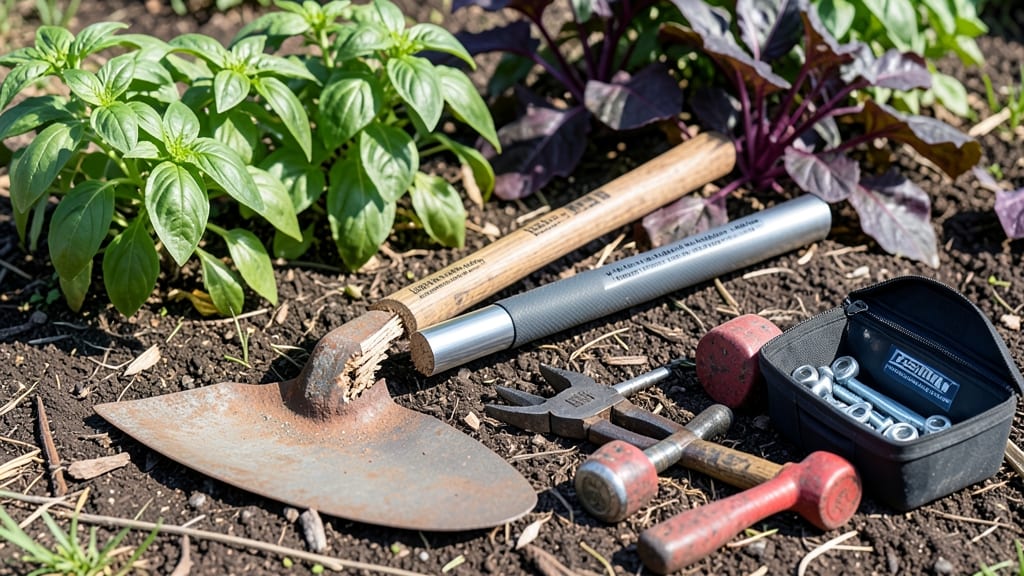
3 Fast garden hoe handle replacement methods for immediate use
A broken garden hoe handle can derail your gardening plans faster than a sudden rainstorm. The good news? You don’t need to rush out and buy a new hoe—often, a quick repair can get you back to weeding in minutes.
Whether your handle has a small crack, loose connection, or is completely broken, these three methods will have you digging again before you know it. Let’s tackle the most common issues first with temporary fixes, then move to more permanent solutions.
Before you start, gather your supplies. For temporary repairs, you’ll need duct tape, epoxy glue, and a cloth for cleaning. For permanent fixes, grab a wooden dowel, metal rod, or even a sturdy broomstick.
Safety is key—always wear gloves and work in a well-ventilated area when using adhesives or cutting materials. Now, let’s get to work!
Temporary Fix: Duct Tape Wrap (For Small Cracks or Loose Handles)
Clean the damaged area with rubbing alcohol. Wrap the crack or loose section with 2-3 layers of duct tape, overlapping each layer by 50%. For a loose handle, wrap the connection point tightly to secure it temporarily. This works for minor damage and can last through a few gardening sessions.
Quick Epoxy Repair (For Broken Shafts or Splintered Wood)
Sand the broken ends of the handle to create a smooth surface. Apply two-part epoxy glue to both ends and press them together firmly. Clamp the handle for 30 minutes to ensure a strong bond. Let it cure for 24 hours before use. This method works best for wooden handles with clean breaks.
Permanent Fix: Wooden Dowel or Metal Rod Insert (For Complete Handle Replacement)
Drill a hole through the hoe head that matches the diameter of your wooden dowel or metal rod (typically 1/2" to 5/8"). Insert the dowel or rod and secure it with wood glue or epoxy. For extra strength, add a metal ferrule over the connection point. Sand any rough edges for comfort.
If your handle is severely splintered or rotting, the wooden dowel or metal rod method is your best bet for a long-term fix. For minor cracks or loose connections, duct tape or epoxy will buy you time until you can replace the handle entirely.
Always test your repair by gripping the handle firmly before diving into your garden—you don’t want it failing mid-swing!
Pro tip: If you’re using a wooden dowel, choose hardwood like oak or maple for durability. For metal rods, stainless steel or aluminum won’t rust and adds extra strength.
Avoid softwoods like pine, as they can splinter over time. Once your repair is complete, give your hoe a few test swings to ensure stability before tackling your garden beds.
Remember, prevention is key. Store your hoe in a dry place to avoid wood rot, and avoid dropping it on hard surfaces. If you’re frequently repairing handles, consider upgrading to a fiberglass or metal-shafted hoe for long-term durability.
Now that your hoe is back in action, you’re ready to conquer those weeds like a pro!
For heavy-duty gardening, like breaking up compacted soil, a permanent metal handle is worth the investment. But for quick fixes, these methods will keep you gardening without breaking the bank. Happy digging!
How to choose the right replacement hoe handle material for durability
Your garden hoe handle takes a beating—whether you're heavy-duty weeding or just light soil prep. The right handle material can mean the difference between a tool that lasts years and one that snaps mid-task.
I’ve tested hardwood, fiberglass, and metal handles to help you pick the perfect match for your gardening style.
Durability isn’t the only factor—weight, cost, and ease of use matter too. A heavy-duty weeding hoe needs something sturdy like ash or hickory wood, while a light garden hoe might benefit from fiberglass’s lightweight feel.
Let’s break down the pros and cons so you can make an informed choice.
Hardwood handles like ash or hickory are my top pick for heavy-duty weeding. They’re naturally strong and absorb shock better than other materials. However, they’re heavier and can splinter over time if not properly sealed. If you’re using your hoe for intensive garden work, this is the way to go.
For light soil work or frequent use, fiberglass handles are a game-changer. They’re lighter and resistant to splintering, making them ideal for gardeners with joint issues. The downside? They’re less durable in extreme conditions and can warp if exposed to direct sunlight for years.
Metal handles, often made from aluminum or steel, strike a balance between durability and weight. They’re rot-proof and long-lasting, but they can feel cold in winter and may require gloves for comfort. If you’re looking for a low-maintenance option, metal is a solid choice.
Consider your gardening needs before buying. If you’re tackling thick weeds or hard-packed soil, invest in a hardwood or metal handle. For light-duty tasks, a fiberglass handle will save your arms while still delivering decent durability.
Always check the hoe head’s compatibility with your chosen handle material.
Pro tip: If you’re unsure, start with a hardwood handle—it’s the most versatile choice for most gardeners. And remember, a well-maintained hoe is a long-lasting hoe! Store it in a dry place and apply a protective sealant to extend its life.