
Landscaping
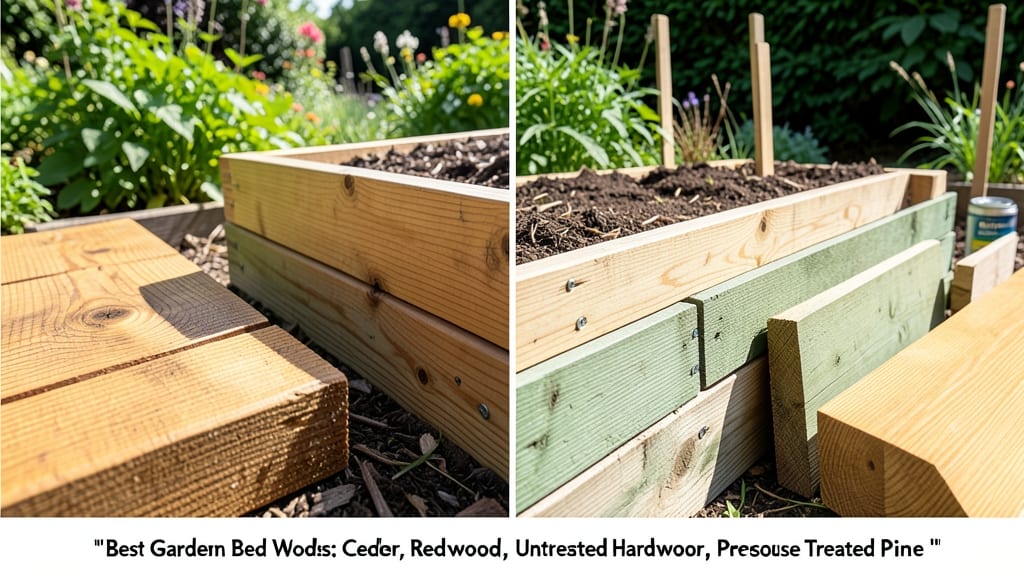
What wood to use for garden beds is the key to a sturdy, long-lasting frame that won’t rot or warp under seasonal changes.
Picture this: you’ve spent hours building the perfect raised bed, only to watch it sag after a few wet winters. The wrong material can turn your dream garden into a costly maintenance headache, but the right choice—like cedar or redwood—keeps your edges strong for years.
Not all woods are created equal. Some resist moisture and pests naturally, while others need extra sealing or risk leaching chemicals into your soil. We’ll break down the best options, from budget-friendly choices to premium picks, so you can pick what fits your garden’s needs.
By the end, you’ll know which wood lasts longest in your climate, how to prep it for maximum durability, and even how to spot red flags like hidden toxins in treated lumber.
Top 5 rot-resistant woods for garden beds (ranked by durability)
When building a long-lasting garden bed, the wood you choose determines how many seasons you’ll enjoy your harvests without costly repairs. The best options naturally resist moisture, insects, and decay, while avoiding toxic chemicals that could harm your plants.
Below, I’ve ranked the top five woods based on durability, cost, and suitability for different climates—so you can make an informed decision without overpaying or sacrificing quality.
For gardeners in humid regions, cedar and cypress are the gold standards, thanks to their natural oils that repel water and pests. Meanwhile, black locust and redwood offer unmatched longevity in dry or temperate zones.
If you’re on a budget, composite lumber provides a low-maintenance alternative that mimics wood without the risks. Let’s dive into the details to help you pick the perfect fit for your garden.
Black locust tops the list as the most durable natural wood for garden beds, thanks to its high tannin content that naturally repels fungi and insects. A single black locust bed can last 20+ years with minimal maintenance, making it ideal for high-moisture areas or organic gardens where chemical treatments are avoided. The wood’s golden-brown hue also adds a rustic charm to any landscape, though it’s pricier than cedar or pine.
Coming in second, cedar is a favorite among gardeners for its aromatic oils that deter pests and resist rot. Western red cedar, in particular, handles humid climates exceptionally well, lasting 15–25 years without treatment.
Its natural resistance to warping makes it perfect for raised beds, and its pleasant scent even deters deer and rabbits from nibbling on nearby plants. For budget-conscious gardeners, cedar offers the best balance of durability and affordability.
Redwood ranks third but excels in dry or temperate climates, where its natural moisture resistance shines. Harvested from old-growth forests, redwood boasts a rich, warm color that ages beautifully, though it’s the most expensive option on this list. If you’re building a permanent garden feature or a bed in a low-humidity area, redwood’s 30+ year lifespan justifies the cost. Just avoid using it in acidic soils, as the tannins can leach and alter soil pH over time.
Cypress, particularly bald cypress, is another excellent choice for wet or swampy areas, thanks to its natural water resistance. While not as long-lasting as black locust or cedar (10–15 years with proper care), cypress is more affordable and widely available. Its light color and straight grain make it easy to work with, though it may require sealing to prevent cracking in extreme weather. For gardeners in flood-prone zones, cypress is a smart, budget-friendly pick.
Finally, composite lumber is the modern solution for gardeners who want zero maintenance and no rot. Made from recycled wood fibers and plastic, composite boards resist warping, splintering, and insect damage, lasting 20–30 years without sealing.
While the upfront cost is higher ($5–$10 per board foot), composite lumber eliminates the need for staining or replacing rotted sections. It’s also splinter-free, making it ideal for vegetable gardens where kids or pets play. The down
How to choose wood based on your garden’s needs (climate, soil, and design)
Your garden bed’s lifespan hinges on the wood you choose, especially when factoring in local climate, soil acidity, and design goals. Humid regions demand naturally rot-resistant woods like cedar, while dry climates can tolerate treated pine with fewer risks.
Even the pH of your soil matters—acidic soils may leach chemicals from certain woods, harming plants.
For raised garden beds, prioritize woods that resist warping and splitting, like black locust or composite lumber. In-ground beds, however, need woods that can handle direct soil contact without decomposing quickly. Skipping this step often leads to expensive replacements within 2–3 years.
- Untreated pine: Rots in 1–2 years in moist soil, inviting mold and termites.
- Old pressure-treated wood (pre-2004): Contains arsenic, leaching toxins into plant roots.
- Oak or maple: Splits easily when exposed to moisture, shortening bed lifespan.
Always opt for ACQ-treated lumber or naturally resistant woods to protect your garden’s health.
In humid climates like the Pacific Northwest or Southeast, cedar or cypress are ideal—their natural oils repel moisture and insects. For dry regions such as the Southwest, redwood or ACQ-treated pine (post-2004) work well, as they handle sun exposure without cracking.
Test your soil pH first: acidic soils (pH < 6.0) may corrode treated woods faster.
Design preferences also play a role. If you’re building a rustic, natural look, untreated cedar or black locust add charm while lasting decades. For modern or low-maintenance beds, composite lumber mimics wood but resists splintering and warping.
Always seal edges with non-toxic wood sealant to extend life by 30–50%.
Pro tip: Elevate beds in wet areas to prevent wood-soil contact, and avoid placing beds under drip irrigation or overhanging trees. A 2-inch gap between wood and soil adds years to your bed’s durability. Regularly inspect for cracks or soft spots, replacing sections before they fail.
By matching your wood choice to your climate, soil type, and design style, you’ll create a garden bed that stays functional and beautiful for 10+ years—without the hassle of constant repairs. 🌱