
Fertilization
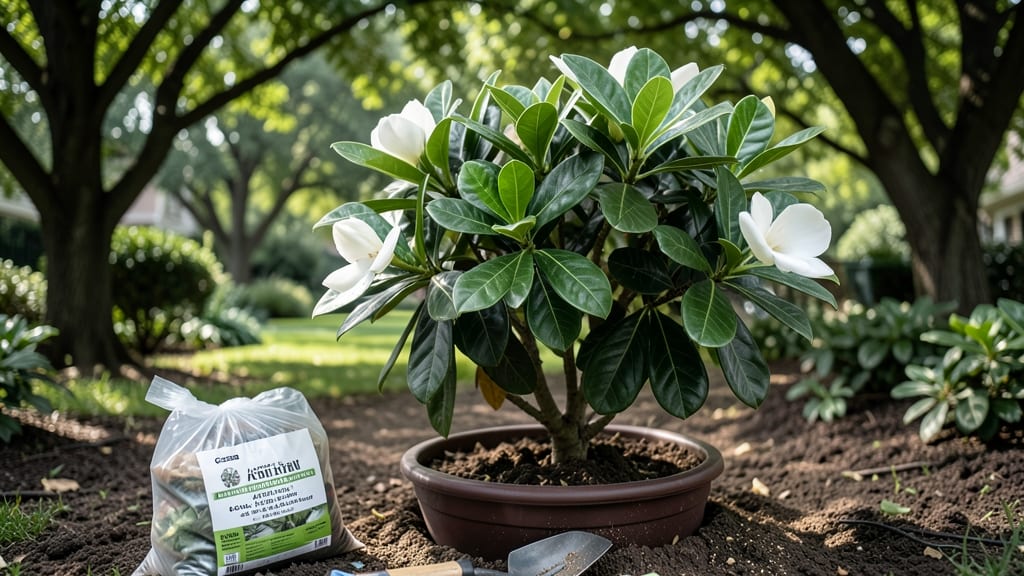
The right gardenia fertilizer ratio unlocks those showstopping blooms and intoxicating scent you’ve been dreaming of—think low nitrogen, high phosphorus, and just the right potassium to keep your 🌸 thriving.
Here’s the hard truth: most gardeners overdo the nitrogen, which means lush leaves but zero flowers. I’ve seen it happen—even with the best soil—because the balance is everything. A 6-10-10 ratio is your golden ticket, but timing matters just as much.
In this guide, I’ll break down the exact N-P-K mix for each season, whether you’re using organic or synthetic fertilizer, and how to avoid the two biggest mistakes that kill blooms before they even form.
Ready to transform your gardenia from a leafy bush into a fragrant powerhouse? Let’s get started.
Optimal gardenia fertilizer ratio: N-p-k breakdown for maximum blooms
If your gardenia shrubs are producing lush green leaves but few fragrant blooms, your fertilizer ratio is likely the culprit. Gardenias thrive on a low-nitrogen, high-phosphorus diet—exactly the opposite of what most general-purpose fertilizers provide.
The ideal N-P-K ratio for gardenias is 6-10-10, designed to fuel flower production rather than leafy growth. This precise balance is why gardenias often struggle when fertilized with lawn or vegetable garden mixes, which are typically high in nitrogen (e.g., 10-10-10 or 30-0-0).
Understanding this ratio isn’t just about numbers—it’s about seasonal timing. Gardenias need phosphorus-rich feeding in spring and early summer to set buds, while potassium supports root health and disease resistance during summer blooming.
Skipping this seasonal approach can leave you with leafy shrubs but no signature gardenia scent. Let’s break down why this ratio works and how to apply it correctly.
🌸 summary-table 🌸
| Nutrient | Gardenia Ideal Ratio | Purpose | Seasonal Focus |
|---|---|---|---|
| Nitrogen (N) | 6 | Minimal leaf growth | Spring (light only) |
| Phosphorus (P) | 10 | Bloom production | Spring & Early Summer |
| Potassium (K) | 10 | Root health & disease resistance | Summer (blooming season) |
| Soil pH | 5.0–6.5 | Acidic environment | Year-round |
| Common Mistake | High Nitrogen (e.g., 30-0-0) | Leafy growth, no blooms | Any season |
The 6-10-10 ratio is specifically tailored for acid-loving plants like gardenias, camellias, and azaleas. Here’s why each number matters: Low nitrogen (6) prevents excessive leaf growth, which can steal energy from flower buds.
Meanwhile, high phosphorus (10) is the bloom catalyst, encouraging your gardenia to produce those creamy white, fragrant flowers you love. Potassium (10) ensures your plant stays healthy and resilient, especially during hot summer months when blooming peaks.
Many gardeners accidentally use general-purpose fertilizers like 10-10-10 or 20-20-20, which can overfeed nitrogen and suppress blooming. These mixes are designed for vegetables or lawns, not ornamental shrubs. The result? Your gardenia might look lush and green but fail to produce flowers.
To fix this, switch to a specialized azalea/camellia fertilizer, which typically carries the 6-10-10 ratio or similar. Brands like Miracle-Gro Azalea or Jobe’s Azalea/Camellia are excellent choices.
Seasonal adjustments are critical for gardenia blooms. In early spring, apply a light feeding of 6-10-10 to stimulate bud formation. As blooms appear in summer, reduce feeding to every 6-8 weeks to avoid overstimulating new growth at the expense of existing flowers.
By late summer, stop fertilizing entirely to prepare the plant for dormancy. This seasonal rhythm mimics natural cycles and ensures your gardenia repeats its blooming performance year after year.
Step-by-step guide: how to apply gardenia fertilizer correctly
Applying the right gardenia fertilizer ratio isn't just about dumping granules near the roots—it's about timing, technique, and understanding your plant's needs. Gardenias thrive on a 6-10-10 NPK ratio (low nitrogen, high phosphorus) to fuel blooms, but overdoing it can burn delicate roots or stunt flower production.
I’ve learned the hard way that patience and precision pay off with those signature creamy-white blooms!
Most gardeners make two critical mistakes: fertilizing too early in spring (when roots are still dormant) or using a high-nitrogen fertilizer (like lawn food) that encourages leafy growth over flowers.
Instead, we’ll focus on a seasonal feeding schedule that matches your gardenia’s natural growth cycle—spring for root establishment, summer for bloom support, and a complete halt in fall and winter.
🌱 Step-by-Step Gardenia Fertilizer Application
-
Step 1: Choose the Right Fertilizer
Select an acid-loving plant fertilizer (e.g., azalea/camellia mix) with a 6-10-10 NPK ratio. Avoid synthetic blends with high nitrogen (>10%).
-
Step 2: Early Spring Feeding (March-April)
Mix 1 tbsp of fertilizer per mature plant into the top 2 inches of soil. Water deeply to activate nutrients. Skip if your gardenia is still dormant.
-
Step 3: Summer Bloom Support (June-August)
Switch to light feedings: 1 tsp per plant every 6-8 weeks. Apply in early morning to prevent leaf burn from afternoon sun.
-
Step 4: Fall & Winter Rest (September-February)
Stop fertilizing entirely 6-8 weeks before first frost. Gardenias need dormancy to rebloom next season.
-
Step 5: Post-Bloom Care (September)
Prune dead flowers and apply a thin layer of compost to replenish soil nutrients. Avoid fresh fertilizer—wait until next spring!
For potted gardenias, halve the fertilizer amount (½ tsp per feeding) since roots are confined and absorb nutrients faster. I’ve seen potted plants scorch from over-fertilizing—always err on the side of caution!
If your gardenia’s leaves turn yellow or drop prematurely, it’s a sign of over-fertilization or high soil pH (test your soil and amend with sulfur if needed).
One of my gardenias bloomed twice as much after I switched to a slow-release, acidic fertilizer in spring and stopped feeding in fall. The key is consistency: stick to the 6-10-10 ratio, feed lightly, and let your gardenia’s natural cycle guide your schedule.
With this method, you’ll reward yourself with fragrant blooms from early summer through fall!
🌸