
Container Gardens
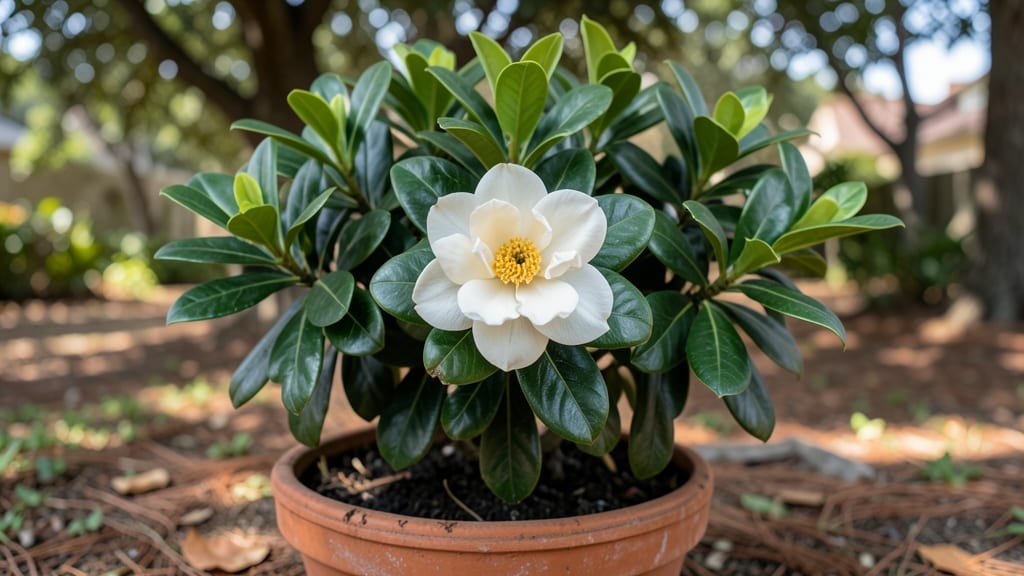
Growing gardenias thrives in USDA zones 8 through 11, where warm winters and high humidity create their ideal subtropical paradise 🌸.
Struggling to get your gardenia to bloom? The secret might be hiding in the climate zones where these fragrant beauties thrive—and where they’ll fight for survival.
Outside those zones, gardenias can still succeed with the right care, but they demand consistent warmth, protection from frost, and a little extra TLC to keep their leaves lush and blooms abundant.
Here’s what you need to know about the perfect conditions, how to push their limits in cooler climates, and the simple tricks that keep them happy year-round.
USDA hardiness zones for gardenias: where they grow best
If you’ve ever dreamed of filling your garden with the intoxicating scent of gardenia blooms, understanding their USDA hardiness zones is your first step to success. These tropical beauties thrive in zones 8 through 11, where warm temperatures and high humidity create their ideal environment.
Outside these zones, gardenias become high-maintenance divas—demanding extra care to survive winter’s chill. Let’s break down where they grow best and how to verify your zone for planting success.
Gardenia plants are frost-sensitive, with most varieties struggling below 28°F (-2°C). In zones 8-11, they can grow as perennial shrubs, but in cooler climates, they’re often treated as tender perennials or grown in containers.
Even a single frost can damage leaves, while prolonged cold snaps may kill the plant entirely. That’s why knowing your exact zone—and microclimate—is critical for keeping your gardenia happy and blooming.
🌱 To find your USDA hardiness zone, visit the USDA Plant Hardiness Zone Map and enter your ZIP code. This tool will pinpoint your zone (e.g., 8a, 9b, 10a) and show nearby microclimates.
For example, a zone 8b gardener in coastal California might enjoy milder winters than someone in inland areas. Microclimates—like urban heat islands or sheltered garden spots—can shift your effective zone by 1-2 degrees, making a big difference for frost-sensitive plants.
Here’s a quick breakdown of how gardenias perform across their ideal zones, including frost thresholds and winter care needs:
| USDA Zone | Frost Threshold | Winter Care | Growth Notes |
|---|---|---|---|
| 8 (20°F to 30°F) | Survives brief dips to 20°F | Mulch heavily; use frost cloth | Slow growth; needs shelter |
| 9 (30°F to 40°F) | Tolerates 25°F with protection | Light mulch; move containers indoors | Moderate growth; prune after frost |
| 10 (40°F to 50°F) | Rare frost; no protection needed | None required | Thrives; blooms abundantly |
| 11 (50°F+) | No frost risk | None required | Fastest growth; year-round blooms |
In zone 8, gardenias are on the edge of their comfort zone. A single hard frost can damage leaves, while prolonged cold snaps may kill the plant entirely. Gardeners here often use mulch (3-4 inches of pine straw or wood chips) and frost cloth to insulate roots.
For container-grown gardenias, moving them to a garage or basement during winter is a lifesaver. In contrast, zones 10 and 11 offer ideal conditions—no frost protection is needed, and gardenias reward you with continuous blooms and lush foliage.
Microclimates play a huge role in gardenia success. For example, a southern exposure in zone 8 might extend your gardenia’s growing season by 2-4 weeks compared to a northern-facing spot.
Coastal areas in zone 8 (like San Diego or Charleston) often have milder winters than inland zones, making them prime spots for gardenias. Meanwhile, inland zone 8 areas (like Phoenix or Las Vegas) may experience hotter summers, requiring afternoon shade to prevent leaf scorch.
If you’re in zone 7 or below, don’t give up—container gardening is your best bet. Choose a large pot (15+ gallons) with drainage holes and use a lightweight, well-draining potting mix.
During winter, move the container to a protected location (like a covered porch or greenhouse) or wrap it in bubble wrap for insulation. Some gardeners even bring potted gardenias indoors during winter, placing them near a bright, east-facing window to mimic their natural light needs.
Pro tip: Hardy gardenia varieties like ‘Radicans’ and ‘Kleim’s Hardy’ are better suited for cooler zones. These cultivars can tolerate brief dips to 25°F (-4°C) with proper protection, making them a great choice for zone 7 gardeners.
Always check the specific variety’s cold tolerance before planting—some gardenias are tougher than others! For example, ‘Veitchii’ is more frost-tolerant than ‘Fortuniana,’ which is prized for its double blooms but struggles in cooler climates.
🌿 To verify your zone, combine the
Gardenia climate requirements beyond zones: heat, humidity, and sunlight needs
If your gardenia refuses to bloom despite your best efforts, the issue might be climate-related. These tropical beauties thrive in specific conditions that go beyond just USDA zones. Understanding their temperature, humidity, and sunlight needs will help you recreate their ideal environment—even in cooler climates.
Gardenias love warmth, with ideal temperatures between 75-85°F. They struggle below 60°F, which is why they rarely thrive in zones 7 and below without extra care. Their humidity needs are equally critical—60% or higher keeps their leaves lush and encourages blooming.
4-6 hours of gentle morning light prevents leaf scorch while providing energy for blooms.
Mimics tropical conditions; use pebble trays or humidifiers for indoor plants.
Ideal for zones 8-11; use row covers or containers for cooler areas.
Intense afternoon rays cause yellowing leaves and bud drop.
Supports nutrient uptake for vibrant blooms and healthy foliage.
Leads to crispy edges, bud blast, and stunted growth.
Balances light needs while preventing heat stress.
Kills leaves and prevents next year’s buds from forming.
Gardenias need morning sunlight for energy but afternoon shade to prevent leaf burn. Place them where they get 4-6 hours of morning sun and dappled shade in the afternoon. If your gardenia gets too much direct afternoon sun, you’ll notice yellowing leaves and dropping buds—clear signs of heat stress.
Humidity is another critical factor. Gardenias hate dry air, which is why they struggle indoors without extra moisture. If your home’s humidity drops below 50%, try placing a pebble tray under the pot or using a humidifier nearby.
Outdoor gardenias in dry climates benefit from mulching and regular misting during hot spells.
Watch for climate stress signs like yellowing leaves, bud drop, or stunted growth. These often mean your gardenia is too cold, too dry, or getting too much harsh sunlight.
Adjusting their environment—like moving them to a sunnier spot or adding more humidity—can bring them back to health and encourage blooming.
With the right temperature, humidity, and light balance, even gardeners in cooler zones can enjoy fragrant blooms. Start by mimicking their tropical habitat, and your gardenia will reward you with lush foliage and stunning flowers all season long. 🌸