
Pruning
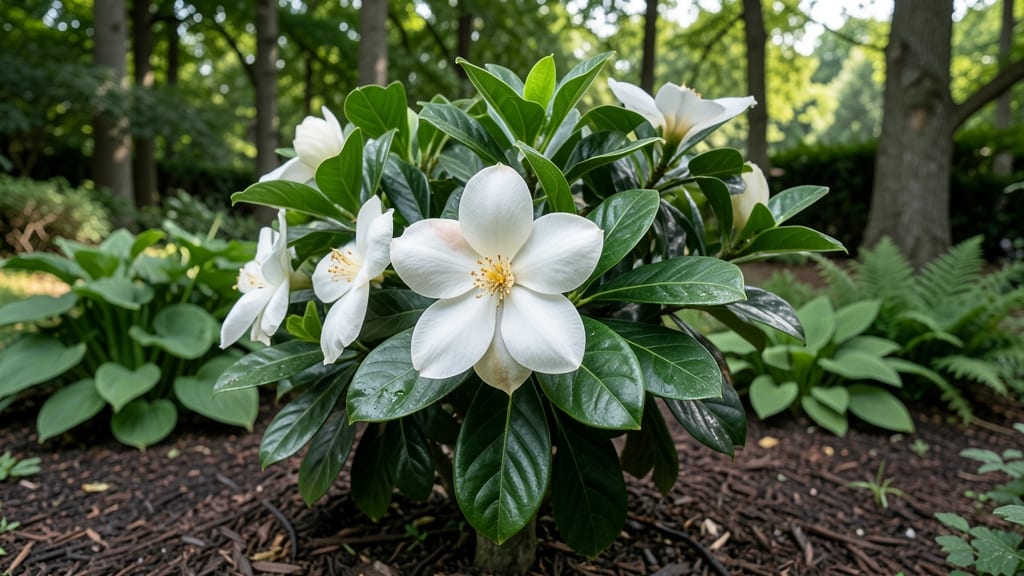
A gardenia tree’s height can range from 3 feet to towering 15 feet depending on the variety and care you provide 🌸 — but that doesn’t mean you’re stuck with a giant shrub if you prefer something more manageable.
If you’ve ever dreamed of a fragrant garden staple but worry about a gardenia tree outgrowing its space, you’re not alone.
These beauties can reach surprising heights if left unchecked, but with the right pruning and cultivation techniques, you can keep them at your ideal size without sacrificing those intoxicating blooms.
The key to controlling height lies in understanding your gardenia’s growth rate — most varieties grow 6 to 12 inches per year, but dwarf types stay compact. Whether you’re working with a standard or a semi-dwarf, knowing when and how to prune makes all the difference.
In this guide, I’ll break down everything you need to know: from typical mature sizes and growth rates to step-by-step pruning tips and natural ways to slow growth. You’ll learn how to enjoy your gardenia’s beauty without it becoming a backyard giant.

How tall does a gardenia tree grow? Mature height by variety & growth rate
Gardenia trees are prized for their intoxicating fragrance and glossy foliage, but their mature height can vary dramatically depending on the variety and growing conditions. While some gardenia trees can tower over 10 feet, others stay compact enough for containers or small gardens.
Understanding these differences helps you choose the right plant for your space and manage its growth effectively.
Most gardenia trees grow between 6 to 15 feet at maturity, but their growth rate—typically 6 to 12 inches per year—means it takes several years to reach full size. Climate plays a huge role: warmer zones (USDA 8-11) accelerate growth, while cooler climates slow it down.
For example, a gardenia in Florida may reach 10 feet in 5 years, while one in California’s coastal regions might take 7 years to hit the same height.
Here’s the key distinction: dwarf varieties like ‘Radicans’ stay under 5 feet, making them perfect for patios or containers, while standard types like ‘Veitchii’ can soar to 15 feet or more. Even within the same species, pruning habits and container size can drastically alter height.
For instance, a ‘Kleim’s Hardy’ gardenia—known for cold tolerance—can be kept at 6 feet with regular trimming, but left unchecked, it’ll stretch toward 12 feet.
🌿
| Variety | Mature Height | Growth Rate | Best For |
|---|---|---|---|
| ‘Radicans’ (Dwarf) | 3–5 ft | 6–8 in/year | Containers, patios, small gardens |
| ‘Kleim’s Hardy’ | 6–8 ft | 8–10 in/year | Cold-hardy landscapes, hedges |
| ‘Veitchii’ (Standard) | 10–15 ft | 10–12 in/year | Large gardens, privacy screens |
| ‘Fortuniana’ | 8–12 ft | 9–11 in/year | Tropical climates, specimen plants |
| ‘August Beauty’ | 4–6 ft | 5–7 in/year | Borders, foundation plantings |
If you’re growing gardenias in containers, height control becomes even easier. Root-bound plants grow slower because their roots can’t expand, which naturally limits vertical growth.
For example, a ‘Radicans’ in a 15-gallon pot might only reach 3 feet in 3 years, while the same plant in the ground could hit 5 feet. Just ensure the container has drainage holes and use a well-draining potting mix to prevent root rot.
Light exposure also affects height. Gardenias thrive in partial shade (4–6 hours of morning sun), which slows their growth compared to full sun. In low-light conditions, they may grow 20–30% slower but produce fewer blooms.
For instance, a ‘Veitchii’ in full sun might grow 12 inches per year, while one in dappled shade could only add 8 inches. Balance is key—too much shade stunts growth, while too much sun can scorch leaves and stress the plant.
Pruning is the most direct way to control height, but timing matters. Prune after flowering (late summer to early fall) to encourage bushier growth the next season. Avoid heavy pruning in spring, as this can delay blooming.
For example, if your ‘Kleim’s Hardy’ is getting too tall, cut back 1/3 of the tallest branches in September. This will promote lateral growth and keep the plant at a manageable 6–7 feet.
Climate zones further influence height. In USDA Zone 9 or warmer, gardenias grow faster due to longer growing seasons. A ‘Fortuniana’ in Miami might reach 12 feet in 5 years, while the same plant in Zone 7 could take 8 years to reach 8 feet.
If you’re in a cooler zone, choose cold-hardy varieties like ‘Kleim’s Hardy’ and expect slower growth. Always check your local frost dates to avoid winter damage.
For small spaces, consider espalier training
Pruning a gardenia tree for height control: step-by-step guide & best practices
Pruning your gardenia tree isn’t just about shaping—it’s the key to controlling its height growth while keeping those fragrant blooms abundant. Without proper pruning, a standard gardenia can easily reach 10–15 feet, towering over patios and decks.
But with the right timing and technique, you can maintain a compact size (3–8 feet) that fits your space perfectly.
The best time to prune is in late winter or early spring, just as new growth begins. This timing encourages vigorous blooming while preventing winter dieback. Avoid pruning in fall, as this can stimulate tender new growth that won’t survive cold snaps.
For container gardenias, you can prune lightly after blooming season to shape, but never more than 25% of the foliage at once.
-
Step 1: Gather Your Tools
Use clean, sharp pruners (bypass pruners work best) and sterilized rubbing alcohol to wipe blades between cuts. Avoid dull tools—they crush stems and invite disease. -
Step 2: Identify the Pruning Zone
Focus on overgrown branches and those growing inward. Aim to remove no more than 1/3 of the plant’s height in one session to avoid stress. -
Step 3: Make Clean Cuts
Cut just above a leaf node at a 45-degree angle. Avoid leaving stubs, which can rot. For thicker branches, use loppers and make the cut 1/4 inch above a bud. -
Step 4: Shape for Airflow
Remove crossing branches and those rubbing together. Thin out the interior foliage to improve air circulation, reducing fungal risks like powdery mildew. -
Step 5: Fertilize After Pruning
Apply a balanced fertilizer (10-10-10) 2–3 weeks post-pruning to support new growth. Water deeply to help roots recover. -
Step 6: Monitor Growth
Check for new shoots in 4–6 weeks. If growth is uneven, prune again lightly in early summer to maintain balance.
One of the most common mistakes gardeners make is over-pruning in a single session, which can shock the plant and reduce blooming. Another pitfall is pruning too late in spring, when buds have already formed.
Always step back and visualize the final shape—gardenia trees respond well to structured pruning but hate abrupt changes.
For container-grown gardenias, limit pruning to light shaping in spring. These plants already have restricted root growth, so aggressive pruning can stress them further. Instead, focus on removing dead wood and thinning crowded branches to maintain a neat, bushy form that fits your pot’s dimensions.
After pruning, keep your gardenia well-hydrated and in partial shade for the first few weeks. Avoid heavy mulch around the base, as this can suffocate roots. With consistent care, your pruned gardenia will reward you with lush foliage and heavier blooms all season long.
Remember, the goal isn’t just to cut back height—it’s to create a healthy, balanced plant that thrives in your space. With these steps, your gardenia will stay fragrant, full, and perfectly sized for years to come. 🌸