
Tools
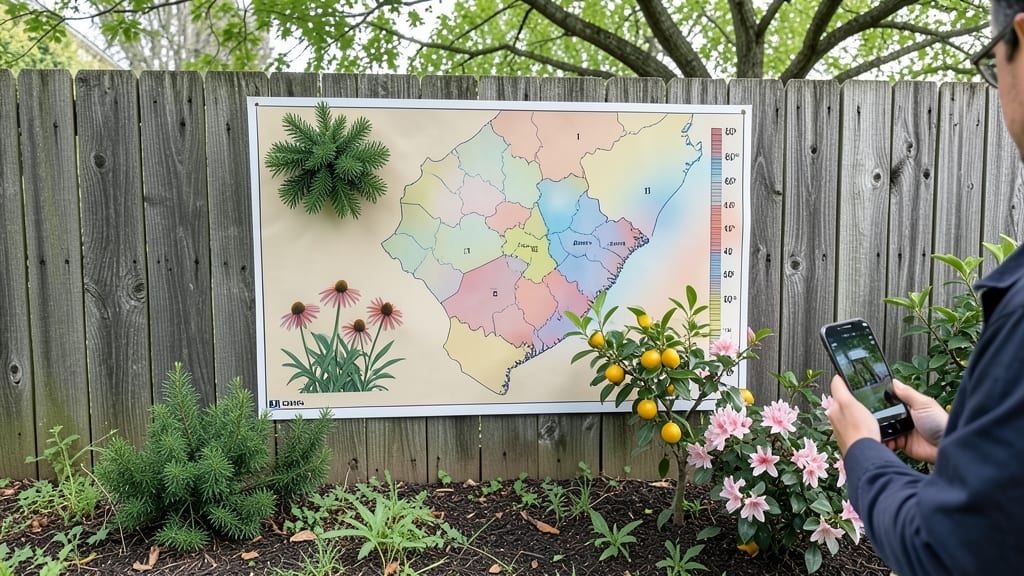
Understanding US gardening zones helps you select plants that will flourish in your specific climate, using the USDA Plant Hardiness Zone Map that organizes the country into 13 temperature-based zones. Most regions fall within zones 3 through 10, with additional sub-zones (like 5a or 7b) providing more precise planting guidance.
These zones are based on the average annual minimum winter temperatures in your area, which directly impacts which plants can survive. 🌱 For example, a zone 5 garden can handle colder winters than a zone 7, meaning different perennials and trees will thrive.
While the USDA map is widely used, other systems like Sunset Zones account for factors like rainfall and day length, offering even more tailored advice for gardeners in specific regions.
To find your exact zone, simply enter your ZIP code into the USDA Plant Hardiness Zone Map or use a mobile app like Gardenate.
Once you know your zone, you can match plants to your climate, extend your growing season with cold frames, and even troubleshoot why certain plants might be struggling.
Many nurseries now label plants with their recommended zones, making it easier than ever to create a thriving garden that fits your local conditions.
💡 In This Article
- How USDA Plant Hardiness Zones Are Calculated
- Practical Steps to Locate and Use Your Gardening Zone
How USDA plant hardiness zones are calculated
The USDA Plant Hardiness Zone Map uses 30-year averages of the coldest winter temperatures to determine which plants can survive in your area.
Scientists analyze historical climate data from weather stations across the country, focusing on the average annual minimum temperature—the lowest temperature expected to occur once every 10 years. For example, zone 5a has an average minimum of -20°F to -15°F, while zone 8b ranges from 15°F to 20°F.
This precision helps gardeners understand the true limits of their climate.
What makes this system powerful is how it accounts for microclimates—small areas with unique conditions that can differ significantly from the surrounding region. A south-facing wall can create a zone 2-3 warmer than the official map, while a low-lying area might be colder.
These variations explain why some plants thrive in unexpected places. 🌡️ The USDA also updates its map every 10 years to reflect climate change trends, with recent versions showing zones shifting northward as average temperatures rise.
For instance, parts of the Midwest that were zone 5 in 2012 are now zone 5b or 6a.
Beyond temperature, other systems like Sunset Zones add layers of detail by incorporating factors like rainfall, humidity, and day length.
While USDA zones focus solely on cold tolerance, Sunset zones (numbered 1-24) help explain why a plant might struggle in one area but thrive 50 miles away—even if both locations share the same USDA zone.
For example, a coastal region in zone 7 might have more consistent moisture than an inland zone 7 area, affecting which plants succeed.
Here's what most gardeners don't realize: The zone system doesn't account for heat tolerance or summer conditions, which can be just as critical. A zone 9 plant might wilt in a 105°F heatwave without proper irrigation, even if it survives winter freezes.
This is why experienced gardeners often cross-reference USDA zones with local growing degree days—a measure of heat accumulation during the growing season. For instance, tomatoes typically need 1,200-1,500 growing degree days to mature, regardless of winter hardiness.
For those who want even more precision, interpolated maps show gradual temperature transitions between zones, rather than the abrupt boundaries on standard maps. These tools reveal that your actual zone might be a mix between two official zones, especially if you're near a transition area.
For example, someone in zone 6a/6b might experience conditions closer to 6b in sheltered microclimates but closer to 6a in exposed areas.
Understanding these calculations helps explain why some plants labeled for your zone still struggle. The key is matching not just the zone, but the full climate profile—including soil type, sunlight exposure, and seasonal patterns.
For example, a zone 5 peony might thrive in a protected garden spot but fail in an open, windy area where temperatures drop more abruptly. 🌿