
Advice
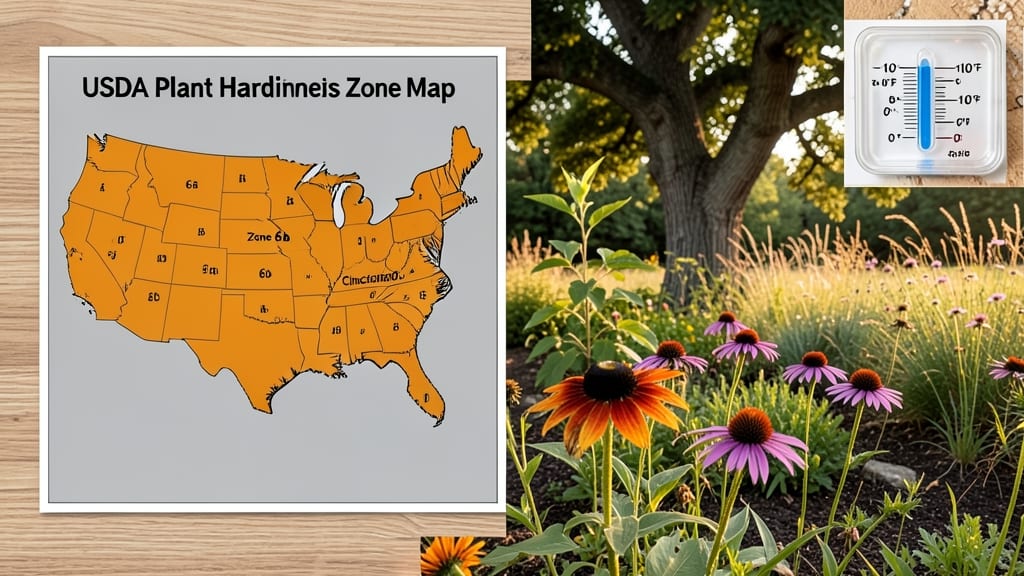
If you’re wondering, what gardening zone is Cincinnati, Ohio, the answer is 6a-6b, meaning your garden thrives in winters that dip to -10°F to 0°F and summers that climb into the 90s—but getting it right keeps your plants happy and your wallet intact.
Picture this: You’ve spent hours picking out seeds, only to watch them wilt because you planted too early—or too late. That’s why knowing your exact zone matters, especially in Cincinnati, where urban heat islands and river valleys create microclimates that shift planting windows by weeks.
This guide breaks down what Zone 6a and 6b mean for your frost dates, which perennials survive winter, and how to tweak your garden for Cincinnati’s quirks—like protecting tender starts from late spring freezes or choosing heat-tolerant veggies for sweltering July.
You’ll learn the ideal planting months for everything from tomatoes to tulips, plus how to stretch your growing season with simple tricks like row covers or raised beds—so you’re not left scrambling when the first frost hits.
Cincinnati’s USDA Zone 6a vs 6b: key differences for planting success
Cincinnati’s USDA hardiness zones—6a and 6b—create subtle but critical differences in your planting timeline and cold-hardy plant selection. While both zones experience similar seasonal patterns, the 5°F temperature gap between them affects frost dates and microclimate sensitivity.
Understanding these distinctions helps you avoid frost damage and maximize your garden’s potential.
Zone 6a (average minimum winter temps of -10°F to -5°F) covers Cincinnati’s higher elevations and rural areas, while Zone 6b (-5°F to 0°F) dominates urban and lower-lying spots.
This variation means suburban gardeners in Mount Lookout might plant 2 weeks earlier than those in Downtown Cincinnati, where the heat island effect delays spring warmth.
The last spring frost in Cincinnati typically occurs between April 15-20 for Zone 6b, but Zone 6a areas may see frost lingering until April 25. Similarly, the first fall frost arrives 2-3 weeks earlier in Zone 6a (around October 15) compared to Zone 6b (October 25).
These dates are crucial for warm-season crops like tomatoes and peppers.
Urban vs. suburban microclimates further complicate planting decisions. Downtown areas experience higher summer temps (up to 5°F warmer than suburbs) due to concrete and asphalt, while rural zones retain cooler nighttime temperatures. This means heat-loving plants like okra thrive downtown, while cool-season crops like kale do better in suburban gardens.
| Factor | Zone 6a | Zone 6b |
|---|---|---|
| Average Winter Low | -10°F to -5°F | -5°F to 0°F |
| Last Spring Frost | April 20-25 | April 15-20 |
| First Fall Frost | October 10-15 | October 20-25 |
| Growing Season Length | 180-190 days | 190-200 days |
| Heat Island Effect | Minimal | Moderate to High |
| Recommended Cold-Hardy Plants | Russian Sage, Purple Coneflower | Butterfly Bush, Lavender |
For Zone 6a gardeners, focus on extended-season crops like broccoli and cabbage, which tolerate colder soils. Meanwhile, Zone 6b gardeners can safely plant warm-season staples like tomatoes and peppers 2 weeks earlier.
Always monitor local frost forecasts—Cincinnati’s Ohio River Valley can create unexpected cold pockets even in Zone 6b areas.
Elevation plays a surprising role: every 1,000 feet gain drops temperatures by 3.5°F. Cincinnati’s highest points (like Mount Echo) may experience Zone 6a conditions even in suburban neighborhoods. Use this to your advantage by planting tender perennials like dahlias in slightly elevated garden beds.
If you’re unsure which zone your garden falls into, check the USDA Plant Hardiness Zone Map and compare your location to nearby landmarks. For example, University of Cincinnati sits squarely in Zone 6b, while Cincinnati Nature Center straddles Zone 6a/6b.
Adjust your planting dates accordingly—Zone 6a may need row covers
Best plants for Cincinnati’s Zone 6a-6b: a seasonal planting calendar
Cincinnati’s Zone 6a-6b climate offers a perfect balance for gardening enthusiasts. With average last frost dates around April 15-30 and first frost typically arriving October 15-30, you can grow a diverse range of cold-hardy annuals, perennials, and vegetables that thrive in this transitional zone.
Understanding your microclimate is key—urban areas may experience heat island effects, while suburban gardens benefit from cooler temperatures. By following this seasonal planting calendar, you’ll maximize your garden’s potential while avoiding frost damage.
| Month | Plant Type | Best Varieties | Sun Needs | Notes |
|---|---|---|---|---|
| March-April | Cold-Hardy Vegetables | Kale, Spinach, Peas, Lettuce | Full Sun-Part Shade | Direct sow after last frost |
| May-June | Perennials & Flowers | Coneflowers, Black-Eyed Susans, Lavender | Full Sun | Plant after soil warms to 60°F |
| June-July | Heat-Tolerant Veggies | Tomatoes, Peppers, Okra, Sweet Potatoes | Full Sun | Use row covers for early starts |
| August-September | Fall Crops | Broccoli, Carrots, Radishes, Swiss Chard | Full Sun-Part Shade | Sow 6-8 weeks before first frost |
| October | Bulbs & Perennials | Tulips, Daffodils, Daylilies | Full Sun-Part Shade | Plant bulbs before ground freezes |
For Zone 6a areas (colder microclimates), prioritize early-spring crops like peas and spinach, while Zone 6b gardeners can extend the season with late tomatoes and peppers. Always check soil temperatures—most seeds need 50-60°F to germinate.
Extend your growing season with row covers or cold frames to protect tender plants like basil and cucumbers. In Zone 6a, consider hardy herbs such as thyme and oregano, which survive winter with minimal protection.
Don’t forget mulching in late fall to insulate plant roots. Use straw or shredded leaves to protect perennials and bulbs from freezing temperatures down to 0°F, which Zone 6 can experience.
With this seasonal planting calendar, you’ll enjoy a year-round harvest while keeping your Cincinnati garden thriving in both Zone 6a and 6b conditions. Happy gardening!