
Planting
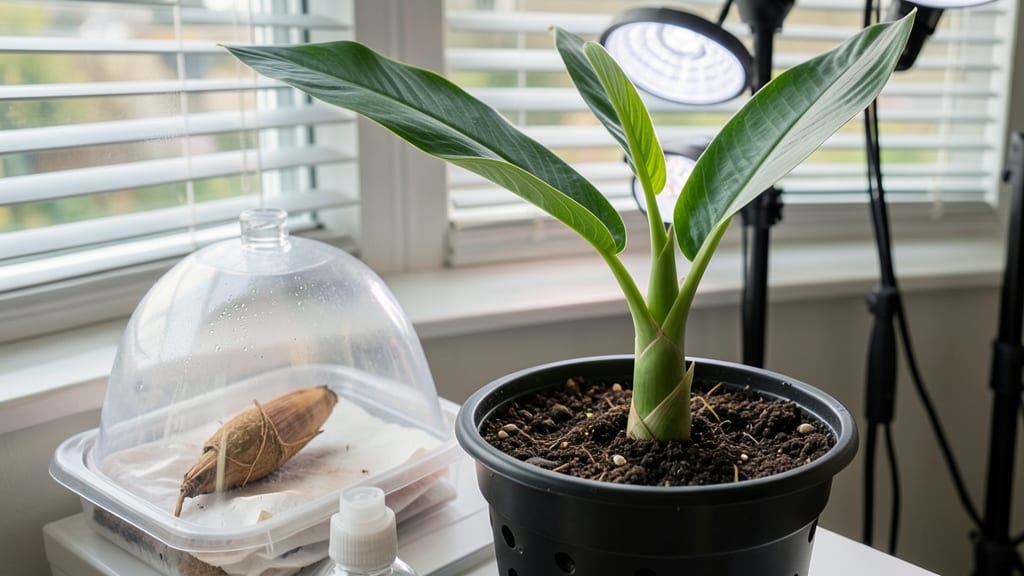
Growing a garden banana seed 🍌 is your ticket to a tropical harvest—right on your patio or balcony—if you know the right tricks for containers and patience.
Picture this: a 6-foot-tall plant thriving in a pot, its broad leaves swaying in the breeze, and years later, your very own bananas. The catch? Garden bananas from seed take 3-5 years to fruit, and they won’t always match the grocery store variety—but the journey is half the fun.
From warm soil to the perfect container setup, I’ll walk you through every step, including how to troubleshoot slow starts and keep your seedlings alive through Zone 6 winters. No tropical climate? No problem.
By the end, you’ll know exactly when to plant, how deep to bury those seeds, and why your neighbors will be jealous of your homegrown harvest—even if it takes a little time.


How to germinate garden banana seeds indoors for container success
Growing a garden banana from seed is a rewarding challenge, especially when you're working with limited space in containers. The key to success starts indoors, where you can control the temperature, humidity, and moisture to encourage strong germination.
Unlike tropical climates where bananas thrive naturally, your indoor setup must mimic those ideal conditions—think warm, humid, and consistently moist soil. With patience and the right approach, you’ll see those first sprouts emerge within 2-4 weeks, setting the stage for a thriving container-grown banana plant.
Before you begin, gather your supplies: fresh banana seeds (from an organic banana if possible), a seedling tray or small pots, a well-draining soil mix, and a heat mat or warm location. Banana seeds are notoriously slow to germinate, so creating the perfect environment is critical.
I’ve learned from experience that rushing the process or skipping steps often leads to rot or stalled growth—don’t let that happen to your seedlings!
Step-by-Step Guide to Germinating Garden Banana Seeds
-
Step 1: Prepare Your Seeds
Remove seeds from the banana pulp and rinse them gently under lukewarm water. Let them dry on a paper towel for 24 hours to prevent rot. This step is crucial—wet seeds left in pulp can mold before they even sprout. -
Step 2: Create the Ideal Soil Mix
Use a blend of 50% peat moss, 30% perlite, and 20% coconut coir for drainage and moisture retention. Avoid garden soil—it’s too dense and can suffocate young roots. Sterilize the mix by baking it at 200°F for 30 minutes to kill pathogens. -
Step 3: Plant the Seeds
Fill your seedling tray with the mix and plant seeds 1/4 inch deep. Space them 2 inches apart to allow room for growth. Gently press the soil around each seed—don’t compact it, but ensure good contact for moisture absorption. -
Step 4: Maintain Warmth and Humidity
Place the tray on a heat mat set to 80-85°F or in a warm, sunny spot like a south-facing windowsill. Cover the tray with a plastic dome or clear lid to trap humidity. Mist the soil lightly every 2-3 days to keep it moist but not soggy. -
Step 5: Monitor for Sprouts
Check daily for signs of germination, which can take 2-4 weeks. Look for tiny white roots breaking through the soil or a slight bulge. Once sprouts appear, remove the dome and increase airflow to prevent fungal diseases. -
Step 6: Provide Gentle Light
Move seedlings to a bright, indirect light source (avoid direct sun at this stage). Use a grow light if natural light is insufficient. Rotate the tray weekly to ensure even growth—uneven light causes leggy seedlings. -
Step 7: Transplant When Ready
Once seedlings have 2-3 true leaves and are 3-4 inches tall, transplant them into 5-gallon containers with fresh soil mix. Harden them off by placing outdoors in partial shade for a week before full sun exposure.
One of the biggest challenges I’ve faced with banana seeds is rot. Overwatering or poor drainage can turn your tray into a breeding ground for fungus. Always use a tray with drainage holes and avoid letting seeds sit in standing water.
If you notice black, mushy spots, remove the affected seed immediately and adjust your watering routine. Patience is key—banana seeds are slow to germinate, but once they do, they’re resilient!
Temperature plays a critical role in germination. Banana seeds need warm soil (ideally 80-85°F) to sprout. If your home runs cooler, a seedling heat mat is a game-changer.
I’ve seen seeds fail to sprout when kept in cooler environments, so don’t skip this step. Pro tip: Place a thermometer near the tray to monitor soil temperature accurately.
Once your seedlings reach 3-4 inches tall, they’ll need more space. Upgrade to 5-gallon containers with drainage holes and a tropical soil blend. Banana plants have aggressive root systems, so choose containers with a wide base for stability.
Remember, these plants can grow 8-12 feet tall, so plan for their future height now. A sturdy container will prevent tipping as your banana matures.
Troubleshooting slow growth? Check your light conditions—banana seedlings need bright, indirect light to thrive. If they’re stretching toward the light, they’re etiolated, a sign of insufficient light. Supplement with a grow light if needed.
Also, ensure your soil stays consistently moist but never waterlogged. Use your finger to test moisture—if the top inch of soil feels dry, it’s time to water.
With the right care, your garden banana seedlings will grow into robust plants ready for container life. Celebrate those first sprouts—they’re a sign of success! Just remember, growing bananas from seed is a long-term project.
Fruit production can take 2-3 years, but the journey is worth it when you harvest your first homegrown bananas.
Best container setups and soil mixes for growing banana trees
Once your garden banana seeds sprout indoors, transitioning them to containers is the next critical step. Banana trees thrive in large containers with proper drainage, mimicking their tropical roots' needs. The right setup prevents root bound conditions and ensures steady growth toward those 8-12 foot mature heights.
Container size matters most—15-20 gallon pots are ideal for young plants, while mature trees need 30+ gallon containers or half-barrels. Banana trees develop extensive root systems, so deeper is always better than wider. Pair this with a well-draining tropical soil mix to replicate their natural habitat.
Comparison Table: Container Setups for Banana Trees
| Container Type | Minimum Size | Drainage Solution | Soil Mix Ratio | Best For |
|---|---|---|---|---|
| Large Plastic Pot | 15-20 gallons | 3-4 drainage holes | 60% coconut coir, 30% peat, 10% perlite | Seedlings to 2-year-old plants |
| Half-Barrel | 30+ gallons | 5+ drainage holes + gravel layer | 50% garden soil, 30% compost, 20% orchid bark | Mature plants (3+ years) |
| Fabric Grow Bag | 20-30 gallons | Built-in drainage | 40% coconut coir, 40% potting mix, 20% worm castings | Urban balconies (easy to move) |
For soil mixes, I recommend blending coconut coir with perlite or orchid bark to improve aeration. This mimics the airy, moisture-retentive soils of banana trees' native tropical forests.
Avoid heavy garden soil—it compacts easily and suffocates roots. Add a 2-inch layer of gravel at the container's bottom to prevent waterlogging, which is deadly for banana roots.
When transitioning seedlings outdoors, harden them off gradually over 10-14 days by exposing them to morning sun first. Place containers in partial shade initially, then move to full sun as leaves toughen.
Remember, banana trees need 6+ hours of direct sunlight daily for optimal growth, but avoid sudden exposure to prevent leaf scorch.
Pro tip: Use osmocote fertilizer mixed into the soil at planting time for slow-release nutrients. Banana trees are heavy feeders, especially during their spring and summer growing seasons. Monitor soil moisture—containers dry out faster than in-ground beds, so check soil 2 inches deep daily during hot weather.
With the right container and soil setup, your banana tree will grow vigorously, reaching its mature height in just a few years. Patience is key—seed-grown bananas may take 2-3 years to produce fruit, but the journey is worth it for that first homegrown bunch! 🍌