
Planting
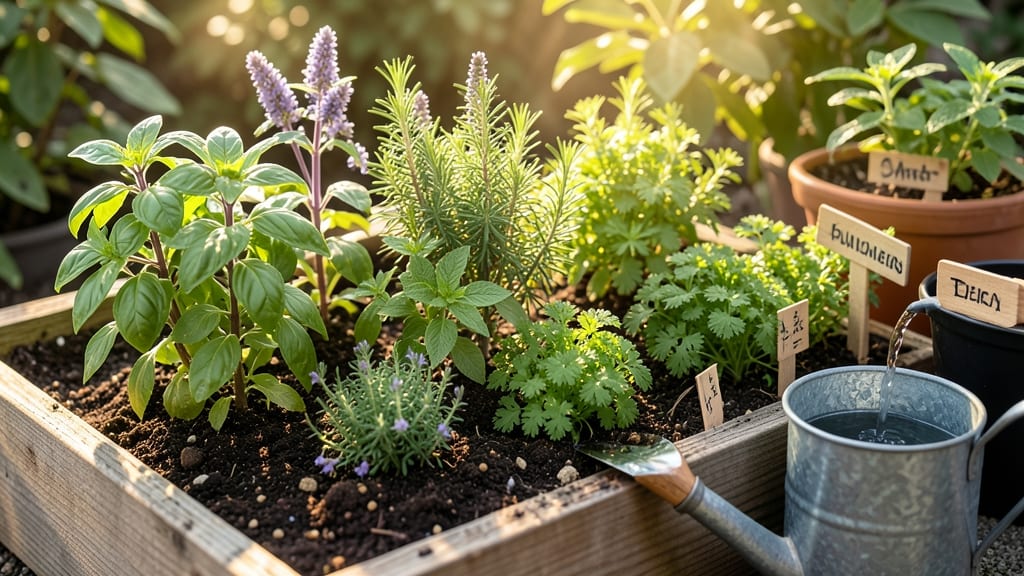
Planting herbs in your garden is the fastest way to turn a patch of soil into a flavorful, fragrant powerhouse that keeps giving all season long 🌱.
Imagine stepping into your garden and plucking fresh basil for your pasta or mint for your tea—all grown with your own hands. Fast-growing herbs don’t just add flavor to your meals; they transform your outdoor space into a thriving, aromatic haven with minimal effort.
You don’t need a green thumb or acres of land to get started. Whether you’re working with a sunny windowsill, a balcony container, or an open garden bed, the right herbs will reward you with harvests in weeks—not months.
Below, I’ll share the 7 easiest herbs to grow, their ideal conditions, and how to keep them producing all summer and fall. Ready to turn your garden into a kitchen staple?

7 Fastest-growing herbs for beginners with year-round harvest potential
If you're new to gardening but eager to enjoy fresh flavors, fast-growing herbs are your best friends. These aromatic plants don’t just add flavor to your meals—they thrive quickly, require minimal care, and reward you with harvests in weeks.
Whether you have a sunny windowsill or a backyard plot, these seven herbs will transform your space into a fragrant, productive oasis.
What makes these herbs stand out? They all share quick germination times, adaptable growing conditions, and the ability to produce leaves or stems within 30-60 days of planting.
Plus, many can be harvested repeatedly, giving you a year-round supply with proper care. Let’s dive into the top picks for beginners!
| Herb | Sunlight Needs | Growth Time to Harvest | Watering Needs | Best For |
|---|---|---|---|---|
| Basil | 6-8 hours/day | 30-45 days | Consistent moisture | Pasta, salads, pesto |
| Cilantro | 4-6 hours/day | 25-35 days | Moderate watering | Salsas, soups, garnishes |
| Mint | 4-6 hours/day | 40-50 days | Keep soil moist | Tea, desserts, cocktails |
| Parsley | 4-6 hours/day | 50-60 days | Even moisture | Salads, garnishes, soups |
| Chives | 4-6 hours/day | 45-55 days | Moderate watering | Potatoes, eggs, salads |
| Dill | 6-8 hours/day | 50-60 days | Consistent moisture | Pickles, fish, soups |
| Thyme | 4-6 hours/day | 60-70 days | Drought-tolerant | Roasts, stews, bread |
Starting with basil is a fantastic choice for beginners. This herb sprouts in just 7-10 days and reaches harvest size in 30-45 days. Place it in full sun and keep the soil moist but not soggy.
Pinch off flowers to encourage leaf growth, and you’ll enjoy a steady supply for your favorite Italian dishes.
For those who love bright, citrusy flavors, cilantro is a must-try. It grows even faster than basil, with seeds sprouting in 5-7 days and leaves ready in 25-35 days. However, cilant
How to maximize herb growth: soil, sunlight, and watering tips
Growing lush, flavorful herbs starts with understanding their core needs. Most herbs thrive with well-draining soil rich in organic matter, like compost or aged manure. I’ve found that amending garden beds with 1-2 inches of compost before planting gives my herbs the perfect foundation.
This mimics their natural Mediterranean habitats where soil drains quickly but retains enough moisture to prevent stress.
Herbs like basil and parsley are particularly sensitive to soggy roots, so prioritize soil that feels like a well-wrung sponge. A simple soil test kit can reveal your garden’s pH—most herbs prefer a neutral to slightly acidic range (6.0-7.0).
If your soil is heavy clay, consider raised beds or containers to improve drainage and aeration.
⚠️ Common Mistake: Overwatering Herbs
Many gardeners drown their herbs by watering on a rigid schedule. Herbs hate wet feet—most prefer dry spells between waterings to develop strong roots. Check soil moisture by sticking your finger 1 inch deep; if it's damp, wait another day. Mint and cilantro are exceptions—they tolerate slightly moister soil but still need drainage.
Sunlight is non-negotiable for herb growth. Most varieties need 6-8 hours of direct sun daily to produce their signature flavors. I position my rosemary and thyme in the sunniest spot, where they bask in full afternoon rays.
Even shade-tolerant herbs like parsley will bolt or lose potency with insufficient light. If your garden lacks full sun, opt for dwarf varieties or use reflective surfaces to maximize light exposure.
Watering herbs efficiently means timing matters as much as amount. Always water in the early morning to reduce evaporation and fungal risks. I use a drip irrigation system for my container herbs, delivering water slowly at the soil level.
Avoid overhead sprinklers—they can spread disease and waste water. Most herbs need 1 inch of water per week, but adjust based on heat and rainfall. During summer, I water mine twice daily if temperatures exceed 90°F.
Pruning is another secret weapon for bushier, more productive herbs. Regularly pinch back new growth tips to encourage branching in basil and oregano. I harvest leaves from the top third of the plant to stimulate fuller growth.
For woody herbs like rosemary, a light trim after flowering prevents legginess. Never remove more than one-third of the plant at once—this stresses herbs and reduces yields.
Finally, rotate your herbs annually to prevent soil depletion. I move my annual herbs (basil, cilantro) to fresh spots each spring, reserving perennial beds (like thyme or oregano) for long-term growth.
Crop rotation also disrupts pest cycles. With these adjustments, even my slow-starting chives now thrive year after year, producing abundant harvests with minimal effort.