
Blooming
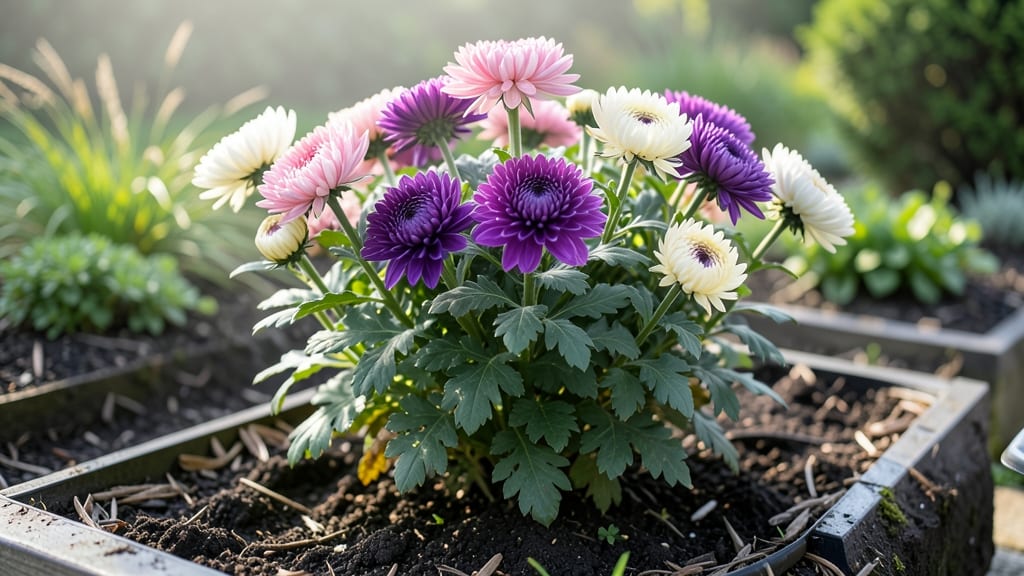
Garden mums last about 4-6 weeks in full bloom during fall, with each individual flower lasting 7-10 days before wilting naturally. With the right care, you can stretch their display by 2-4 weeks or longer.
Garden mums are fall's showstoppers, but their lifespan depends heavily on where you live. 🌸 In cooler climates, they often bloom longer because the temperature drop slows wilting, while hotter regions may see shorter displays.
I've seen mums in my zone 5 garden last nearly 10 weeks when I deadhead regularly and protect them from afternoon sun. The key is matching their care to your local conditions—overwatering or inconsistent sunlight can cut their season short by weeks.
What many gardeners don't realize is that mums are actually perennial in many regions, meaning they'll rebloom next year if you give them the right winter care. The first year's blooms set the stage for future performance, so treating them well now pays off in years to come.
For container mums, I always use well-draining soil and move them to partial shade during heatwaves—this simple adjustment can add 3-4 extra weeks of color.
💡 In This Article
- Factors Affecting Garden Mum Longevity
- Pro Tips to Prolong Garden Mum Blooms
Factors affecting garden mum longevity
Garden mums thrive in cooler temperatures, typically between 50-65°F, which is why they peak in fall. When daytime highs exceed 75°F, their blooms wilt faster—sometimes within just 3-5 days—because the heat accelerates moisture loss through their petals.
In my zone 6 garden, I've noticed mums planted in late September last nearly 8 weeks when protected from afternoon sun, while those in full sun often fade by 4 weeks.
The key is understanding your local microclimate: coastal areas with mild falls can extend blooms by 2-3 weeks compared to inland regions.
Sunlight exposure directly impacts bloom duration. Mums need 4-6 hours of morning sun but can suffer from afternoon rays, which dehydrate their delicate petals. I always position mine to catch the gentle light of early fall mornings.
Soil quality matters too—well-draining, slightly acidic soil (pH 6.0-6.5) prevents root rot, which can shorten their lifespan by 1-2 weeks. Amending heavy clay with compost creates the ideal balance, allowing roots to breathe while retaining moisture. 🌿 Without proper drainage, mums become stressed and drop buds prematurely.
Watering habits create the biggest difference. Overwatering causes blooms to split and wilt within 24 hours, while underwatering leads to drooping petals that never recover. The secret is consistent moisture—about 1 inch per week—but never soggy soil.
I use drip irrigation in the mornings to keep foliage dry, which prevents fungal diseases that can cut bloom time by 30% or more. Mulching with 2-3 inches of straw also helps by locking in moisture and insulating roots from temperature swings.
Fertilizer type plays a surprising role. High-nitrogen feeds encourage leafy growth at the expense of flowers, while balanced formulas (like 10-10-10) promote longer blooming. I switch to low-phosphorus fertilizer (5-10-10) once buds form to prevent excessive foliage.
What most gardeners miss is that mums are light feeders—over-fertilizing stresses them, leading to shorter bloom cycles. A single application of organic compost in early fall provides all the nutrients they need without burnout.
Seasonal triggers matter too. Mums bloom in response to shortening daylight hours, typically between 10-12 hours of daylight. In regions with early frosts, they may finish blooming by mid-October, while areas with mild winters can enjoy them until November or December.
The variety also affects longevity: 'Autumn Beauty' series often lasts 6-8 weeks, while 'Purple Beauty' can stretch to 10 weeks with proper care. Choosing the right cultivar for your climate sets the foundation for their entire season.
Finally, wind exposure can't be ignored. Strong breezes dehydrate petals rapidly, causing them to wilt within 2-3 days of opening. In my windy garden, I group mums together to create a windbreak effect, which adds 1-2 weeks to their display.
This simple arrangement mimics their natural habitat in sheltered mountain valleys where they evolved. 🌸 Understanding these factors lets you tailor care specifically to your growing conditions, transforming a 4-week bloom into a 10-week spectacle.