
How To
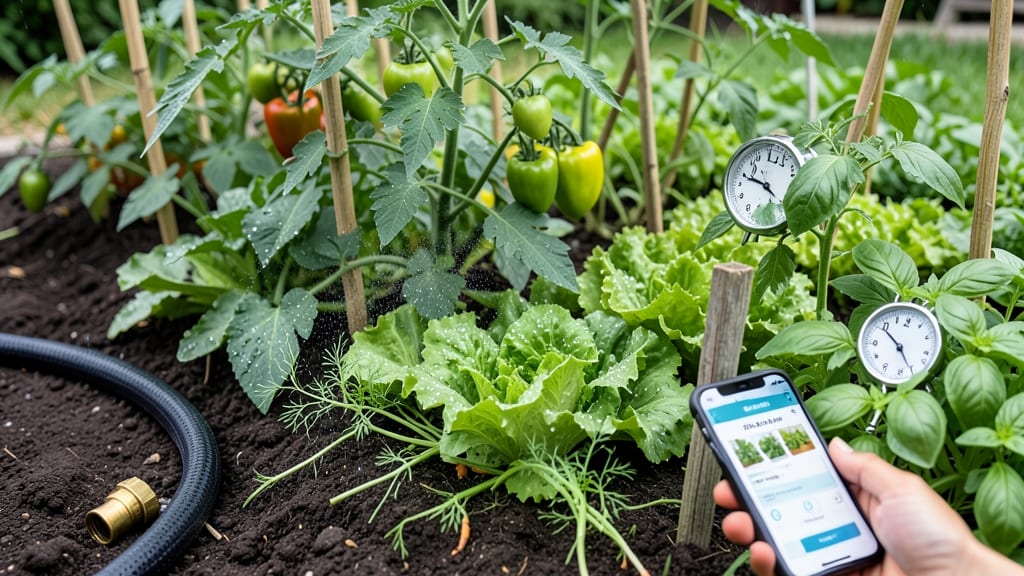
Leaving a soaker hose on your vegetable garden for the right amount of time ensures deep, even watering without drowning roots or wasting water.
Picture this: you step outside after setting up your soaker hose, only to return hours later and find soggy soil or wilting plants. Too long, and you risk root rot; too short, and your 🥬 garden wilts under the midday sun.
The key is understanding how long to run it based on your soil, plants, and weather.
Most vegetable gardens thrive with 4 to 8 hours of soaker hose watering, but clay soil holds moisture longer than sandy soil, and leafy greens need less than root crops. Factor in rain, humidity, and even the time of day—morning watering reduces evaporation and fungal risks.
In this guide, I’ll break down the science of soaker hose timing, from soil tests to plant signals, so you can water with confidence—and keep your garden lush without the guesswork.
Optimal soaker hose runtime by plant type and soil conditions
A soaker hose delivers water directly to the root zone, mimicking natural rainfall while reducing waste. But unlike sprinklers, timing matters—too little and roots dry out; too much and you drown them. The key lies in understanding your plant types, soil composition, and climate zone.
For most vegetables, 4-8 hours is a safe starting point, but leafy greens and root crops have wildly different needs.
Leafy greens like lettuce and spinach thrive with shallow, frequent watering (3-5 hours), while root crops such as carrots and potatoes need deeper, slower soaks (6-10 hours). Sandy soils drain quickly, requiring longer runtime (up to 12 hours), whereas clay soils hold moisture longer, cutting runtime to 3-6 hours.
Humid climates demand shorter sessions (2-4 hours) to avoid fungal issues, while arid zones may need overnight soaking (8+ hours) with mulch.
| Plant Type | Soil Type | Climate Zone | Runtime (Hours) | Notes |
|---|---|---|---|---|
| Leafy Greens (Lettuce, Spinach) | Sandy | Arid | 6-8 | Mulch heavily to retain moisture. |
| Leafy Greens (Lettuce, Spinach) | Clay | Humid | 2-4 | Monitor for fungal signs. |
| Root Crops (Carrots, Potatoes) | Sandy | Arid | 8-12 | Use drip irrigation for precision. |
| Root Crops (Carrots, Potatoes) | Clay | Humid | 4-6 | Avoid waterlogging. |
| Fruiting Plants (Tomatoes, Peppers) | Loam | Temperate | 5-7 | Water at soil level, not leaves. |
| Herbs (Basil, Cilantro) | Any | Any | 3-5 | Keep soil consistently moist. |
Start with the middle runtime for your plant type and adjust based on soil moisture tests. Stick your finger 2 inches deep—if it’s dry, extend the hose by 1-2 hours. For container-grown veggies, reduce runtime by 25% since pots dry out faster.
Pro tip: Place a tuna can near the hose to measure output—aim for 1 inch of water per week (adjust for rain).
In hot climates, split watering into morning and evening sessions to prevent evaporation. For cool, rainy seasons, reduce runtime by half and let nature do the work.
Always water at the base of plants to avoid fungal diseases like powdery mildew, which thrives in wet foliage. A 5-minute break between zones lets water soak in evenly.
Root crops like beets and radishes need deep, infrequent watering to develop sweetness, so prioritize 8-10 hour sessions in sandy soils.
Leafy greens, however, prefer shallow, frequent moisture—think 3-5 hours daily in clay soils. Tomatoes and peppers fall in the middle, requiring 5-7 hours with consistent moisture to prevent blossom-end rot.
Soil type dictates water retention more than climate. Sandy soil drains like a sieve, so run the hose 20-30% longer than clay soils, which act like a sponge. Test your soil’s percolation rate by digging a hole, filling it with water, and timing how long it takes to drain.
If it disappears in under 10 minutes, you’re dealing with sand—extend runtime accordingly.
For newly planted seedlings, keep the soaker hose on for 3-4 hours daily for the first week to establish roots. Once established, most vegetables tolerate skipping a day if rainfall exceeds 0.5 inches.
Use a rain gauge to track precipitation—this helps avoid overwatering during wet spells. In drought conditions, consider overnight watering (with a timer) to maximize absorption.
Watch for wilting leaves midday—this often signals underwatering, not heat stress. Conversely, yellowing leaves or
Signs your vegetable garden needs more (or less) soaker hose time
Your vegetable garden’s health often speaks volumes through subtle cues—especially when it comes to watering. Wilting leaves or yellowing foliage can signal either underwatering or overwatering, depending on the plant type.
For example, tomatoes and peppers may droop from thirst, while lettuce or spinach might wilt if their roots are waterlogged. Pay attention to the soil texture too: dry, clumpy soil needs more time under the soaker hose, while soggy, compacted soil screams for a break.
Another key indicator is the growth rate of your plants. Healthy vegetables should show steady, vibrant growth. If your cucumbers or zucchini are growing slowly or producing small, stunted fruits, they might be thirsty.
Conversely, if your carrots or radishes are splitting or rotting at the base, you’re likely overwatering. These signs are your garden’s way of communicating its needs—learn to listen!
🚨
Nightshades (tomatoes, peppers, eggplants) are especially sensitive. Leave soaker hose on for no more than 4-6 hours—longer sessions can drown roots, inviting fungal diseases like blight. Drought-resistant plants (okra, Swiss chard)? They thrive with 2-3 hours max unless your soil is sandy. Test soil moisture before adjusting: stick your finger 1-2 inches deep—if it’s dry, extend watering time; if damp, reduce it.
For precision, invest in a moisture meter, a game-changer for soaker hose timing. These tools measure soil moisture levels in real-time, eliminating guesswork. Ideal moisture for most vegetables falls between 30-50% saturation.
If readings are below 30%, your soaker hose needs more time; above 50%, it’s time to cut back. This is particularly useful for container gardens, where soil dries out faster, or heavy clay soils, which retain moisture longer.
Don’t ignore the weather forecast either. On hot, windy days, your garden loses moisture quickly, requiring longer soaker hose sessions—think 6-8 hours for thirsty crops like corn or beans.
Conversely, cool, cloudy days or after rain, reduce runtime to 2-3 hours to avoid soggy soil. Mulching around plants can also help regulate moisture, reducing the need for frequent adjustments.
Common mistakes often stem from one-size-fits-all watering. Leafy greens like kale or collards love consistent moisture but can’t handle waterlogged roots, while root vegetables like beets or turnips prefer slightly drier conditions to prevent cracking.
Tailor your soaker hose runtime to the specific needs of each plant family, and always water in the early morning to minimize evaporation and fungal risks.
With practice, you’ll develop an intuitive sense of when to extend or shorten your soaker hose sessions. Trust the visual cues, soil tests, and plant responses—your garden will thank you with bountiful harvests. Happy growing! 🌱