
Light Requirements
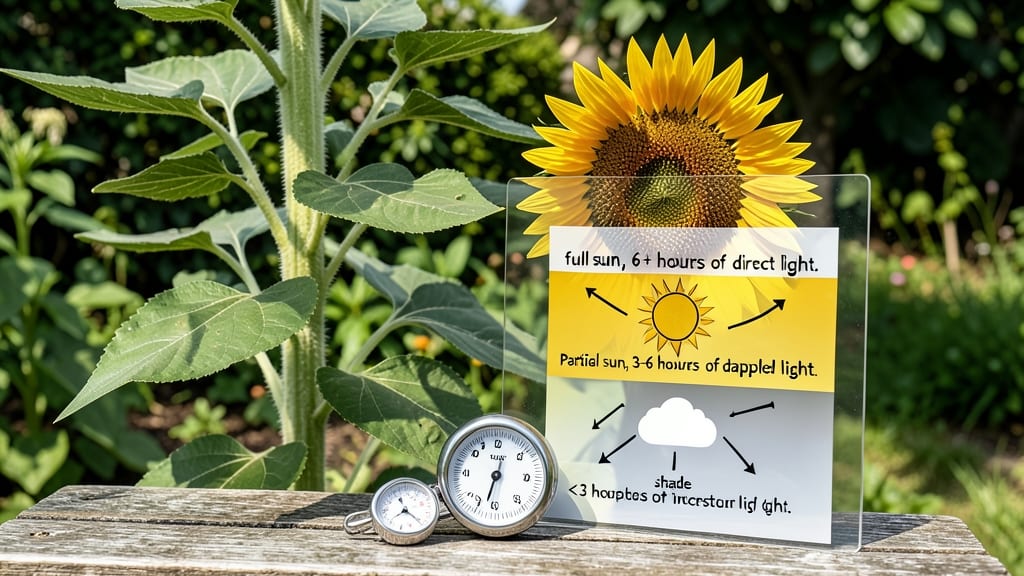
A garden needs 6 to 10 hours of sunlight daily to thrive, but the exact amount depends on what you’re growing—too little stunts growth, while too much can fry your plants.
Picture this: your tomatoes are wilting under the midday sun, your hostas are struggling in a shady corner, and your herbs are growing leggy. These are classic signs you’ve got the sunlight equation wrong—and it’s costing you more than just a few sad plants.
Most vegetables and flowers crave full sun (6+ hours), while shade-loving plants like ferns or impatiens do just fine with 2 to 4 hours. The trick is matching your garden’s light zones to the right plants, and I’ll show you how to do it without guessing.
From measuring sunlight in your yard to adjusting plant placement, you’ll learn the exact ranges your garden needs—plus how to spot when things are off and fix them fast.


Sunlight requirements by plant type: full sun vs. partial shade vs. low light needs
Sunlight is the lifeblood of your garden, but not all plants crave the same amount. Full sun lovers thrive with 6+ hours of direct light, while partial shade plants prefer 3-6 hours, and low-light varieties survive with less than 3 hours.
Understanding these categories helps you place each plant perfectly for maximum growth and fewer struggles with leggy stems or scorched leaves.
Before you start rearranging your garden, know that morning sun is gentler than afternoon rays, which can intensify heat. East-facing spots often provide softer light, while south-facing areas get the most sun exposure. I’ve tested these conditions myself—trust me, your tomatoes will thank you for the right spot!
Here’s the breakdown of sunlight needs, including my top plant picks for each category:
| Sunlight Category | Hours Needed | Plant Examples | Ideal Location |
|---|---|---|---|
| Full Sun | 6+ hours | Tomatoes, Peppers, Lavender, Sunflowers, Rosemary | South or West-facing beds |
| Partial Shade | 3-6 hours | Basil, Coleus, Impatiens, Hostas, Ferns | East-facing or dappled shade |
| Low Light | <3 hours | Snake Plant, Pothos, Peace Lilies, Calatheas, Mushroom Plants | North-facing or indoor near windows |
For full sun plants like tomatoes and peppers, I’ve seen firsthand how they reward you with bigger yields when given their preferred 6-8 hours of direct light. These plants need intense sunlight to set fruit, so don’t skimp on their placement.
My cherry tomatoes in a south-facing raised bed produced 3x more than the ones tucked under a tree!
If you’re growing herbs like basil, they’re a bit more flexible but still need 4-6 hours of sun. I’ve learned the hard way that shady basil turns bitter and leggy.
For partial shade, think of hostas or coleus, which thrive in morning sun with afternoon shade. These plants often handle filtered light beautifully, making them perfect for understory plantings.
Don’t overlook low-light plants for shady corners or indoor spots. Snake plants and pothos are my go-to for near-zero sunlight areas—they’re practically indestructible. Even in my north-facing patio, these plants stay lush and green.
Pro tip: If you’re dealing with deep shade, pair these with moss or ferns for a lush, woodland feel.
Measuring sunlight in your garden is easier than you think. Grab a sunlight meter or use a simple shadow test: Place a stake in the ground and mark where its shadow falls every hour.
Repeat over a few days to map your garden’s sunlight patterns. I’ve used this method to identify hot spots where heat-loving plants like okra thrive and cool corners where leafy greens prefer to grow.
Adjusting your garden’s layout based on sunlight isn’t just about moving plants—it’s about creating microclimates. Use reflective surfaces like light-colored mulch or mirrors to bounce extra light into shady spots.
For areas that get too much sun, try shade cloth or prune overhanging branches. I’ve even used whitewashed fences to redirect sunlight where it’s needed most.
One common mistake? Assuming all shade is equal. Dappled shade from tree leaves is gentler than dense shade from a solid wall. Test your spots for a few weeks before committing to shade-loving plants.
I once planted impatiens in what I thought was partial shade, only to watch them wilt—they needed more light than the spot provided!
Start small: Pick one sun-loving plant, one partial shade favorite, and one low-light champion to experiment with. Track their growth and adjust as needed. Your garden will thank you with healthier plants, better blooms, and fewer frustrations.
How to measure and adjust sunlight in your garden for optimal growth
Most gardeners assume they know how much sunlight their space gets, but without precise measurements, you might be overestimating shade or underestimating harsh afternoon rays. Incorrect sunlight assessment leads to leggy seedlings or crispy, sunburned leaves—both preventable with the right tools and techniques.
Start by identifying your garden’s microclimates, where sunlight varies dramatically even within a few feet.
Before making changes, grab a sunlight meter or use a simple DIY method: place a white board in your garden for 6 hours and measure the shadow cast every hour. This reveals how direct vs. indirect light shifts throughout the day.
For example, my morning sun spot gets 4 hours of direct rays, while the afternoon version only sees 2—critical info for tomatoes vs. hostas.
⚠️ callout warning
Most plants need specific sunlight ranges—tomatoes thrive with 6-8 hours, while ferns wilt in more than 3 hours. A common mistake? Assuming dappled shade from trees equals partial shade. Test your spots for 2 weeks using a sunlight journal to track real exposure.
✅ Pro Tip: Use reflective mulch (like white gravel) to bounce 20-30% more light into shaded beds.
Seasonal shifts complicate things—your garden’s summer sunlight might exceed winter exposure by 2-3 hours. Adjust by pruning overhanging branches in early spring or installing adjustable shade cloth for heat-sensitive plants like lettuce.
I once had my peppers bolting because I didn’t account for the longer June days, so now I mark my planting zones with stakes showing sun exposure.
For container gardens, rotate pots weekly to ensure even light distribution. South-facing windowsills get intense midday sun, while north-facing spots offer gentle, indirect light—ideal for basil vs. calatheas.
Use a light meter app (like Planta) to track lux levels: 10,000+ lux = full sun, 3,000-5,000 lux = partial shade.
If your garden has deep shade from structures or trees, try light-reflecting surfaces like mirrors or white walls to redirect 1-2 extra hours of light. For overly sunny spots, use lattice trellises to create partial shade for heat-sensitive crops.
My roses now flourish under a 30% shade cloth during peak afternoon heat, preventing leaf scorch.
Remember, even distribution matters more than total hours. A 6-hour sun spot with consistent morning light works better for herbs than a 6-hour afternoon-only spot. Test, adjust, and reassess every season—your garden’s sunlight map isn’t static! 🌿