
Light Requirements
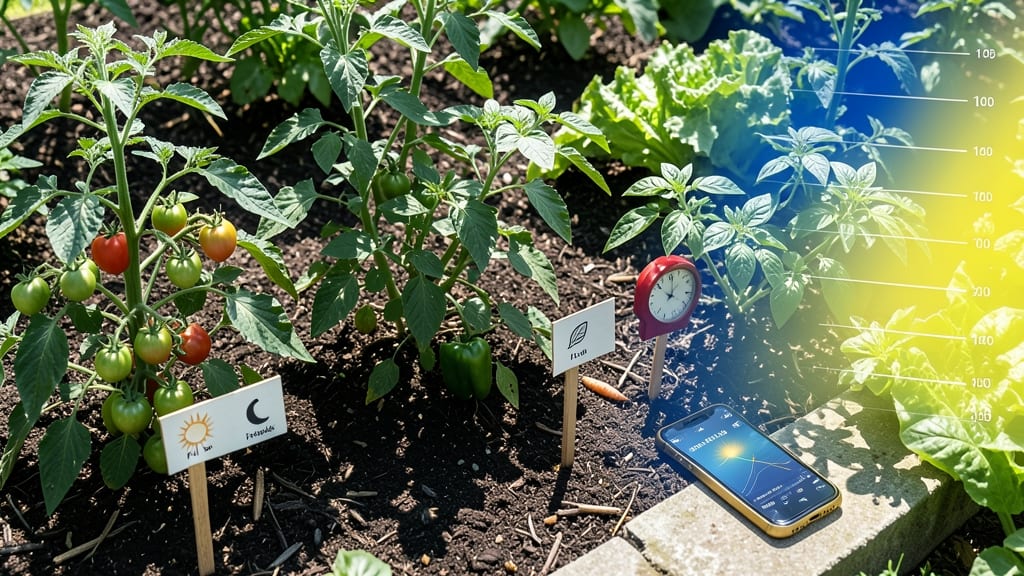
A vegetable garden needs 6 to 8 hours of sunlight daily to thrive, but the exact amount depends on what you're growing and where you live.
Sunlight is the lifeblood of your 🥬—but too little or too much can spell disaster for your crops. Whether you're in a sun-drenched desert or a cloudy coastal climate, understanding the sunlight rules for your zone is the key to a bountiful harvest.
Leafy greens like lettuce and spinach can handle 4 to 6 hours of sunlight, while heavy feeders like tomatoes and peppers demand 8 or more to produce well.
Below, I’ll break down the sunlight needs by crop, how to measure sunlight in your garden, and simple tricks to maximize what you’ve got—even in shady spots.
From adjusting planting locations to choosing shade-tolerant varieties, you’ll learn how to give your garden the perfect light prescription for success.


Sunlight requirements by vegetable type: full sun vs. partial shade needs
Not all vegetables thrive under the same sunlight conditions. While some sun-loving crops like tomatoes and peppers demand 6-8 hours of direct sun, others like leafy greens and root vegetables can handle partial shade or even light shade.
Understanding these differences ensures your garden grows strong and productive. For example, tomatoes and peppers wilt in low-light conditions, while lettuce and carrots may bolt or become bitter with too much sun.
Gardeners often categorize sunlight needs into three main zones: full sun (6+ hours of direct sunlight), partial shade (3-6 hours of sunlight), and light shade (less than 3 hours). Knowing where your garden beds fall into these categories helps you place the right crops in the right spots.
For instance, a south-facing garden bed in the U.S. typically receives full sun, while a north-facing bed or one under large trees might only get partial shade.
Here’s a quick reference to help you visualize how different vegetables fit into these sunlight categories:
| Vegetable | Sunlight Needs | Optimal Growing Conditions | Notes |
|---|---|---|---|
| Tomatoes | 6-8 hours (Full Sun) | Well-draining soil, stake or cage | Wilt in shade; needs consistent sun for fruit production. |
| Peppers | 6-8 hours (Full Sun) | Warm soil, mulch to retain heat | Requires heat to thrive; avoid cool, shady spots. |
| Lettuce | 3-6 hours (Partial Shade) | Moist, cool soil, shade cloth in summer | Bolts in full sun; prefers cooler conditions. |
| Carrots | 3-6 hours (Partial Shade) | Loose soil, consistent moisture | Grows best in partial shade to prevent bitterness. |
| Spinach | 3-5 hours (Partial Shade) | Cool soil, shade in peak summer | Heat-sensitive; thrives in cooler, shadier spots. |
| Cucumbers | 6-8 hours (Full Sun) | Trellis for support, rich soil | Needs full sun but benefits from afternoon shade in hot climates. |
| Radishes | 3-6 hours (Partial Shade) | Quick-growing, cool-season crop | Tolerates partial shade but grows fastest in sun. |
| Green Beans | 6-8 hours (Full Sun) | Trellis or bush variety, well-draining soil | Produces best in full sun but tolerates partial shade. |
| Swiss Chard | 3-6 hours (Partial Shade) | Cut-and-come-again harvest, rich soil | Heat-tolerant but prefers partial shade in hot climates. |
For full-sun vegetables like tomatoes and pe
How to determine your growing Zone and adjust sunlight exposure
Every vegetable garden thrives on sunlight—but not all plants need the same amount. Your USDA hardiness zone and local sunlight patterns determine which crops will flourish. For example, tomatoes in Zone 9 might need 8+ hours of sun, while leafy greens in Zone 5 can tolerate 4-6 hours.
Understanding these factors helps you avoid wasted effort or failed harvests.
Start by finding your USDA hardiness zone using the USDA Plant Hardiness Zone Map. Simply enter your ZIP code to uncover your zone (e.g., Zone 6 or Zone 10). This tells you which plants can survive winter in your area, but it also helps predict summer sunlight intensity.
Warmer zones like Zone 10 often have longer daylight hours and more intense sun, while cooler zones like Zone 3 may have shorter, less intense sunlight.
Next, observe your garden’s sunlight exposure for a full week. Use a sunlight tracker or mark a grid in your garden to note how many hours each spot receives direct sun.
For instance, a south-facing bed might get 8 hours of sun in summer but only 4 hours in winter. This seasonal shift is critical for planning your planting schedule.
🌱 Key Sunlight Rules by Growing Zone
- Zones 3-5: 5-7 hours of sun (cooler climates need shade-tolerant crops like kale or spinach)
- Zones 6-8: 6-8 hours of sun (ideal for tomatoes, peppers, and beans)
- Zones 9-11: 8+ hours of sun (heat-loving crops like okra or sweet potatoes thrive here)
- Adjust for shade: Use reflective surfaces (like white gravel) or raised beds to maximize light in low-sun areas.
- Seasonal tweaks: Move heat-sensitive plants (e.g., cucumbers) to partial shade in summer if your zone gets intense afternoon sun.
If your garden lacks natural sunlight, consider container gardening on patios or balconies with southern exposure. Vertical gardening with trellises can also help vining plants like cucumbers or pole beans reach the sun. For example, a 6-foot trellis can turn a shady corner into a productive space for sun-loving crops.
For high-light zones (like Zone 10), prioritize shade cloth or drip irrigation to prevent wilting. Mulch heavily to retain moisture, and choose heat-tolerant varieties like Malabar spinach or Swiss chard.
In contrast, low-light zones (like Zone 4) benefit from cold frames or greenhouse setups to extend the growing season.
Finally, rotate your crops annually to balance sunlight exposure. For instance, if tomatoes struggled in a partially shaded spot last year, try planting peppers there this year—they often tolerate slightly less sun.
By aligning your planting with your zone’s sunlight patterns, you’ll create a garden that’s both productive and resilient. 🌿