
Fertilization
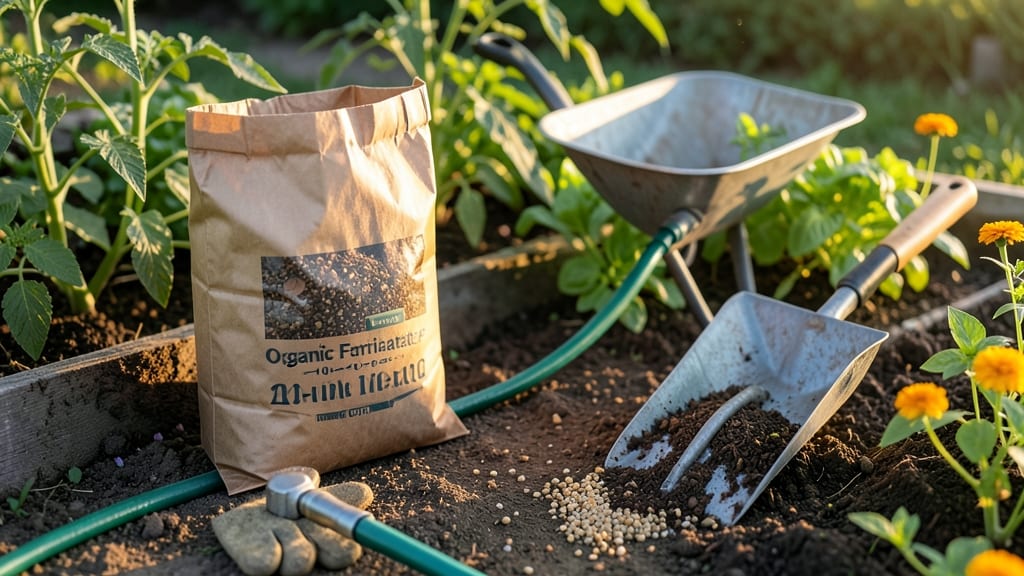
Fertilizing your garden too often or too little can leave your plants struggling or stressed, so finding the right schedule is the key to strong growth.
Over-fertilizing can ruin your garden just as much as under-fertilizing—so timing is everything. Whether you’re growing tomatoes, roses, or a lush lawn, the frequency depends on the plant type, season, and even your soil health.
In this guide, you’ll discover exact seasonal schedules for fertilizing your garden, from early spring feedings to summer maintenance and fall prep. We’ll break down how often to fertilize vegetables, flowers, and lawns, plus how to spot signs your plants are begging for nutrients—or screaming for a break.
Ready to feed your garden the right way? Learn how to balance organic and synthetic fertilizers, adjust for your climate, and avoid common mistakes that waste time and money.

Fertilizing frequency by plant type: annuals, perennials, and vegetables explained
Fertilizing your garden isn't a one-size-fits-all task—each plant type has unique nutrient needs and absorption rates. Annuals, perennials, and vegetables all respond differently to fertilizer timing, and getting it wrong can lead to wasted resources or plant stress.
The key is understanding how often to feed each category for maximum growth without overburdening roots. For example, heavy feeders like tomatoes need frequent top-ups, while established roses thrive on monthly maintenance.
Most gardeners make two critical mistakes: either over-fertilizing young plants or under-feeding established ones. Science shows that plants absorb nutrients best when fed at specific growth stages—like when vegetables are flowering or perennials are emerging from dormancy.
Let's break down the optimal fertilizing schedule by plant type, so you can feed your garden like a pro without guesswork.
Here's a quick reference for common garden categories, including vegetables, flowers, and lawns, with science-backed intervals for nutrient absorption:
| Plant Type | Fertilizing Frequency | Best Fertilizer Type | Notes |
|---|---|---|---|
| Vegetables (Tomatoes, Peppers, Cucumbers) | Every 2 weeks during growing season | Balanced (10-10-10) or high-nitrogen | Start when plants are 4-6 inches tall; reduce in late summer |
| Annual Flowers (Marigolds, Petunias, Zinnias) | Every 4-6 weeks | Slow-release granules or liquid bloom booster | Avoid high-nitrogen fertilizers; focus on phosphorus for blooms |
| Perennials (Roses, Lavender, Hostas) | Monthly during active growth (spring-fall) | Organic compost or balanced fertilizer | Established perennials need less frequent feeding than annuals |
| Lawns (Cool-season Grasses) | Every 6-8 weeks (spring-fall) | Slow-release nitrogen fertilizer | Avoid fertilizing in winter or during drought |
| Herbs (Basil, Parsley, Cilantro) | Every 3-4 weeks | Low-nitrogen, high-potassium | Herbs are sensitive to over-fertilization; use half-strength solutions |
| Fruit Trees (Apples, Peaches, Citrus) | 3 times per year (early spring, post-bloom, late summer) | Organic fruit-specific fertilizer | Avoid fertilizing in fall to encourage dormancy |
Vegetables like tomatoes and peppers are heavy feeders, demanding nutrients every 2 weeks during their growing season. These plants benefit from a balanced fertilizer (like 10-10-10) or one slightly higher in phosphorus to encourage fruiting.
I've found that side-dressing with compost mid-season gives them an extra boost without risking root burn from synthetic fertilizers.
For annual flowers, the goal shifts to promoting blooms rather than leafy growth. A slow-release granular fertilizer applied every 4-6 weeks works wonders for marigolds and petunias.
The key here is phosphorus—look for a fertilizer with higher middle numbers (e.g., 5-10-5) to encourage vibrant flowers. Over-fertilizing can actually reduce blooming, so moderation is key.
Perennials like roses and lavender establish deep root systems over time, so they don't need frequent feeding. A monthly application of organic compost or balanced fertilizer during their active growing season (spring through fall) is usually sufficient.
I've noticed that roses respond beautifully to a light feeding in early spring to
Seasonal fertilizing schedule: when to feed for best results in spring, summer, and fall
Timing your garden fertilizing is like scheduling a workout routine—too much too soon strains your plants, while skipping sessions leaves them weak. The key lies in understanding seasonal growth patterns and matching nutrients to your plants' needs.
For example, spring bulbs need a light feed as they emerge, while summer tomatoes crave frequent potassium-rich boosts. Let's break down the perfect schedule to keep your garden thriving without wasting resources.
Most gardeners make two critical mistakes: fertilizing in winter dormancy or during drought stress. Both scenarios force plants to work harder than nature intends. Instead, focus on active growth phases—when leaves unfurl in spring, flowers bloom in summer, and roots establish in fall.
This approach ensures nutrients are used efficiently, not burned or leached away. Think of it as feeding your plants only when they're hungry, not when they're resting.
- Early Spring (March-April): Apply balanced fertilizer (10-10-10) to perennials and lawns as new growth appears. Avoid fertilizing winter-dormant plants like roses or bulbs.
- Late Spring (May): Switch to high-nitrogen for vegetables and flowers. Feed tomatoes and peppers with 5-10-10 when transplanting outdoors.
- Mid-Summer (June-July): Use potassium-heavy fertilizer (e.g., 0-10-10) for fruit-bearing plants. Avoid fertilizing during drought or extreme heat—wait until soil is moist.
- Late Summer (August): Give perennials and shrubs a light feed to boost root growth before fall. Skip fertilizing annuals nearing harvest.
- Early Fall (September): Apply slow-release fertilizer or compost to lawns and bulbs for next year's growth. Avoid heavy feeding—plants prepare for dormancy.
- Winter (October-February): No fertilization—plants are dormant. Focus on soil health by adding mulch or compost instead.
Spring is your prime fertilizing window because plants are breaking dormancy and need energy to establish roots. Start with a light application of balanced fertilizer (like 10-10-10) when you see new shoots emerging from perennials or lawns.
For vegetable gardens, wait until after the last frost to avoid shocking tender seedlings. I like to mark my calendar for April 15th (after our last frost date) to begin feeding tomatoes and peppers with a phosphorus-rich fertilizer to encourage flowering.
Summer demands precision timing. Heavy feeders like tomatoes, peppers, and squash need biweekly fertilizing with a low-nitrogen, high-potassium mix (e.g., 0-10-20) to support fruit production. However, avoid fertilizing during drought—plants can't absorb nutrients when soil is dry.
Instead, wait for a rainy day or water deeply first. I once burned my eggplant leaves by fertilizing during a heatwave, so now I check soil moisture before feeding.
Fall fertilizing is often overlooked, but it's crucial for perennials and lawns. A light application of compost or slow-release granules in September gives roots a nutrient boost before winter. For bulbs like tulips, add a phosphorus-heavy fertilizer (like 5-10-5) after foliage yellows to encourage next year's blooms.
Just remember: stop fertilizing by October 1st in most climates to avoid stimulating late-season growth that won't harden off for winter.
Winter is the only season you should skip fertilizing entirely. Plants are dormant, and any nutrients applied now will leach into the soil or encourage weak, frost-sensitive growth. Instead, focus on soil preparation: add compost or aged manure to beds in February so it's ready for spring planting.
I also use this time to test soil pH and plan my fertilizing schedule for the year ahead.