
Fertilization
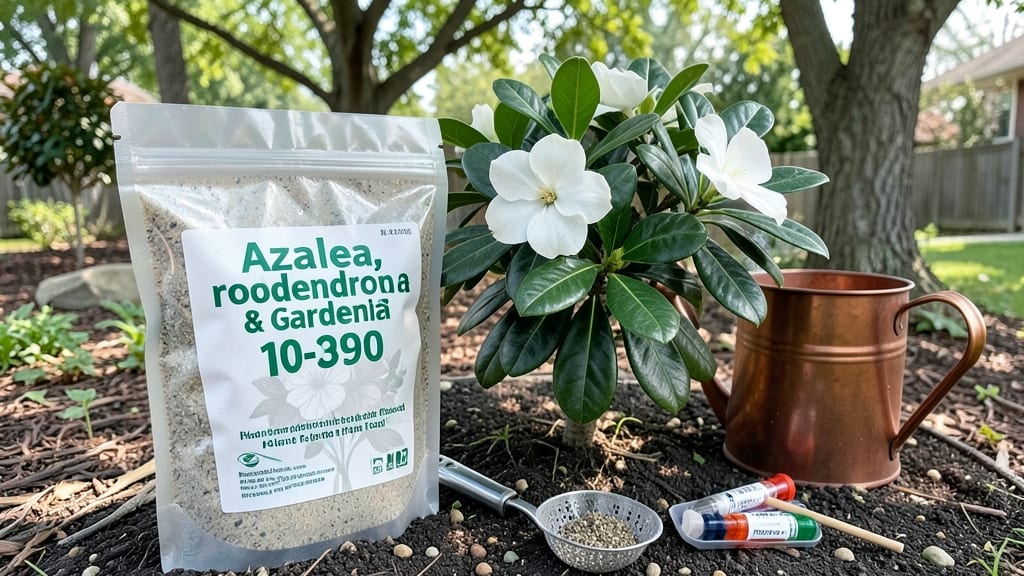
To fertilize gardenias properly, aim for every 6–8 weeks during their active growing season — but timing is everything, especially if you want those fragrant blooms to return year after year.
Picture this: You’ve spent months nurturing your gardenia 🌸, only for it to produce half the flowers it did last spring. The issue? Over- or under-fertilizing at the wrong time. Gardenias are finicky about nutrients, and a misstep can leave you with leggy stems or no blooms at all.
Here’s the game-changer: a seasonal schedule that matches their natural cycles. Spring and early summer are prime feeding windows, while fall and winter demand a complete break.
I’ll break down exactly when to feed, what to use, and how to spot the signs your gardenia is either starving or swimming in too much fertilizer.
By the end, you’ll know not just how often to fertilize, but also how to adjust for soil type, organic vs. synthetic options, and even the subtle cues your plant gives when it’s happy — or begging for help.

Optimal fertilization frequency for gardenias by season: a month-by-month guide
Gardenias reward careful gardeners with fragrant blooms and glossy foliage—but only if you feed them just right. Unlike hardy shrubs, gardenias demand seasonal precision in fertilization. Too much or too little disrupts their delicate balance, leading to fewer flowers or weak growth.
The key lies in understanding their natural growth cycles and adjusting your schedule accordingly.
Most gardeners make one critical mistake: fertilizing year-round. Gardenias need rest in fall and winter, just like us! Their roots slow down when temperatures drop, and feeding them during dormancy can burn roots or invite pests.
Instead, focus on spring and summer when they’re actively growing and blooming. Let’s break down the perfect feeding plan month by month.
Pro Tip: Always use a balanced, acid-loving fertilizer (like 10-10-10 or 12-4-8) and apply it in early morning when soil is moist but not soggy. This gives roots time to absorb nutrients before the heat of the day.
| Month | Fertilizer Action | Frequency | Fertilizer Type | Notes |
|---|---|---|---|---|
| January | None | — | — | Dormant period; avoid feeding. |
| February | None | — | — | Cool weather; roots inactive. |
| March | Light Feed | Every 8 weeks | 10-10-10 | Stimulate early growth. |
| April | Feed | Every 6 weeks | 12-4-8 (acidic) | Peak blooming season ahead. |
| May | Feed | Every 6 weeks | 10-10-10 | Support heavy flowering. |
| June | Light Feed | Every 8 weeks | Slow-release granules | Reduce frequency to avoid overfeeding. |
| July | Light Feed | Every 8 weeks | 12-4-8 | Maintain soil acidity. |
| August | Feed | Every 6 weeks | 10-10-10 | Prepare for late blooms. |
| September | None | — | — | Transition to dormancy. |
| October-December |
Signs your gardenia needs fertilizer (and when to adjust your schedule)Your gardenia’s health speaks volumes through its leaves, stems, and blooms. If you’ve noticed fewer flowers than usual or yellowing leaves that won’t green up, your plant might be begging for nutrients. Gardenias thrive on a balanced feeding schedule, but even the most attentive gardeners can misjudge when to fertilize—or how much. Over-fertilizing is just as damaging as under-fertilizing. Too much nitrogen can scorch roots, while excess phosphorus or potassium can disrupt blooming cycles. The key is observing your plant’s growth patterns and adjusting your schedule based on seasonal needs. Let’s decode what your gardenia is really telling you.
⚠️ Warning: Over-Fertilizing Gardenias
How often to fertilize gardenias: Every 6–8 weeks during spring and summer only. Fall and winter are dormant months—no feeding needed! Overdoing it in warm months burns roots. Signs of over-fertilization: Brown leaf tips, crispy edges, or white salt deposits on soil surface. Fix it: Flush soil with water and reduce feed to half-strength for 2 months. Start by checking the leaves. Healthy gardenia foliage is deep green and glossy. If you see yellowing between veins, it’s often a sign of iron deficiency—common in alkaline soils. This isn’t always a fertilizer issue, but a soil pH test (ideal range: 5.0–6.0) can reveal if your gardenia needs acid-loving amendments like sulfur or peat moss alongside nutrients. Pay attention to new growth. If your gardenia’s stems are thin and leggy with sparse leaves, it’s starving for nitrogen. Conversely, if growth is too fast but weak, you’re likely overdoing it. Bloom production is another dead giveaway: A well-fed gardenia should produce 2–3 clusters of fragrant flowers per season. Fewer blooms? It’s time to adjust your fertilizer type—opt for a low-nitrogen, high-phosphorus blend to encourage flowering. Seasonal cues matter too. In spring, your gardenia needs a light feed to kickstart growth. By mid-summer, switch to a bloom-boosting fertilizer (like a 10-10-10 or 12-4-8 formula). Stop fertilizing by late summer—this helps your plant prepare for dormancy. If you notice buds forming in fall but dropping off, you’ve likely fertilized too late. Adjust next year by ending feeds 6–8 weeks before first frost. For potted gardenias, the rules are stricter. Container soil drains faster, so nutrients wash out quicker. Feed every 4–6 weeks in growing season, but always water thoroughly after applying fertilizer to prevent root burn. Pro tip: Top-dress with compost or worm castings in spring to slowly release nutrients without risk of overdoing it. Remember, gardenias are sensitive divas—they reward consistency. If you’ve been fertilizing monthly all year, that’s your first clue you’ve gone overboard. Reset with a balanced fertilizer at half-strength and monitor closely. Within 4–6 weeks, you’ll see whether your gardenia’s leaves perk up or growth slows—its way of saying “thank you” or “too much!” |