
How To
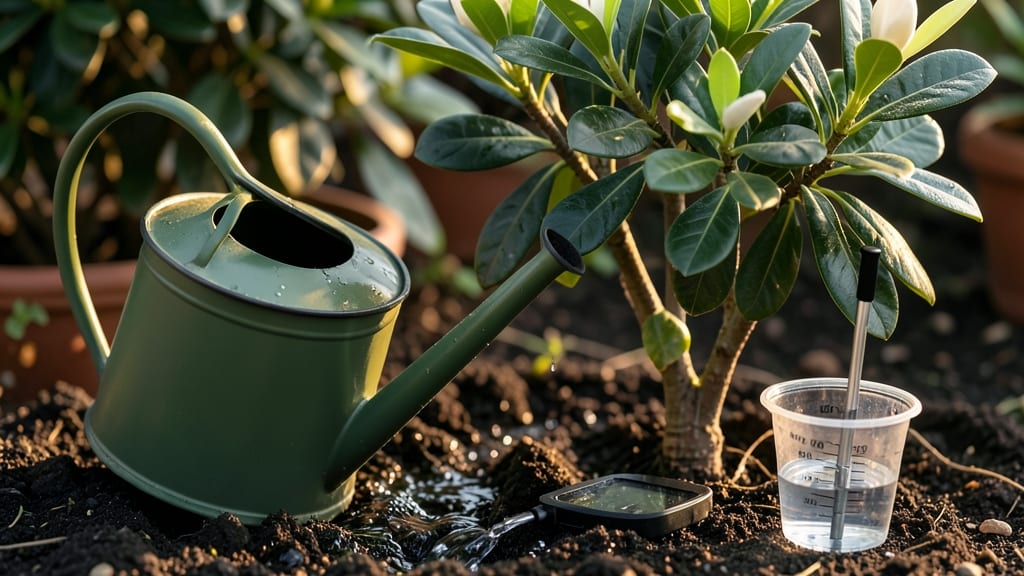
To water gardenias properly, check soil moisture every 2-3 days—letting the top 1-2 inches dry out between drinks is the key to those fragrant blooms.
Struggling to keep your gardenia blooming? The secret isn’t just when you water—it’s how you check if it’s truly thirsty. Overwatering or underwatering can kill these fragrant favorites faster than you think.
Most gardeners either drown their plants or let them wilt, but the real trick lies in reading the soil. A simple finger test or moisture meter tells you exactly when to reach for the hose—no guesswork required.
In this guide, I’ll break down the perfect watering rhythm for your gardenia 🌸, including seasonal tweaks, soil secrets, and how to spot trouble before it’s too late.
Gardenias watering schedule: the 1-2 inch soil test method
Mastering the gardenia watering schedule starts with one simple test: the 1-2 inch soil check. Unlike many plants, gardenias hate guesswork—they thrive when their roots stay consistently moist but never soggy.
I’ve learned the hard way that overwatering (their #1 killer) or underwatering (which stunts blooms) both stem from ignoring this basic rule. The key? Checking soil moisture before you water, not on a fixed calendar.
Here’s the truth: Mature gardenias need water every 2-3 days in summer, but young plants or those in pots may need daily checks. The 1-2 inch soil test removes the guesswork by letting your gardenia tell you when it’s thirsty.
Stick your finger into the soil—if the top 1-2 inches feel dry, it’s time to water. If it’s still damp, wait one more day. This method works year-round, but summer heat and winter dormancy require adjustments we’ll cover later.
Step-by-Step Soil Test Method
- 🌱 Step 1: Choose the Right Time
Test soil in the morning (before 10 AM) to avoid evening moisture confusion. Gardenias hate wet foliage at night, which invites fungal diseases. - 🤲 Step 2: Insert Your Finger or Tool
Push your finger 1-2 inches deep into the soil near the plant’s base. For larger shrubs, use a soil moisture meter or a wooden skewer for accuracy. - 💧 Step 3: Check Moisture Level
- Dry soil = Water immediately (finger comes out clean).
- Slightly damp = Wait 1 more day and retest.
- Wet/muddy = Skip watering to prevent root rot.
- ⏰ Step 4: Water Deeply (If Needed)
When watering, soak the soil until water drains 6 inches deep. Use a slow watering can or drip irrigation to avoid surface runoff. - 🌿 Step 5: Adjust for Plant Age
- Young plants (1 year): Test soil daily; water every 1-2 days.
- Mature shrubs (3+ years): Test every 2-3 days in summer.
- Potted gardenias: Test soil daily—pots dry out faster.
Pro tip: Mulch around your gardenia with 2-3 inches of pine bark or shredded leaves to lock in moisture. This reduces how often you need to water by 30-50% while keeping roots cool.
I’ve seen gardeners in USDA Zone 9 cut their watering in half just by adding mulch in spring.
One mistake I see often? Watering based on a fixed schedule instead of soil conditions. For example, gardenias in clay soil stay wet longer than those in sandy soil. Always test—don’t assume. Even in humid climates, gardenias need consistent moisture, not just occasional drinks.
For potted gardenias, the rules change slightly. Containers dry out 2-3x faster than in-ground plants, so check soil daily in summer. If the top ½ inch feels dry, it’s time to water.
Use a pot with drainage holes and a saucer to catch excess water—never let gardenias sit in standing water.
Seasonal shifts matter too. In winter (USDA Zones 7-9), gardenias enter dormancy and need water only every 10-14 days. Look for wrinkled leaves or soil pulling away from the pot as signs it’s time to water.
Overwatering in winter is a common killer because roots slow down and can’t absorb excess moisture.
Visual cues help too. Healthy gardenia leaves are deep green and glossy. If they’re yellowing or wilting, it’s often a watering issue—but not always! Always check soil first. A soil moisture meter (like the XLUX TDS Meter) takes the guesswork out of this.
I invested in one last year, and it’s saved me from both overwatering and underwatering disasters.
Remember: Gardenias hate extremes. The goal is consistent moisture, not soggy or bone-dry soil. By mastering the 1-2 inch soil test, you’ll give your gardenia the perfect balance—leading to more blooms and fewer headaches. Start testing today, and watch your plant thrive! 🌸
Seasonal watering adjustments for gardenias: hot vs. cold climate rules
Your gardenia’s watering needs shift dramatically between summer’s scorching heat and winter’s chilly dormancy. In hot climates, humidity evaporates moisture faster, while cold climates force your plant into a resting phase.
Ignoring these seasonal changes can lead to drooping blooms or root rot—neither of which you want. Let’s break down how to adjust your watering routine for each climate type.
In hot, humid climates (like Florida or Louisiana), gardenias need frequent, deep watering—often daily or every other day—to compensate for rapid moisture loss.
Meanwhile, in mild or cold climates (such as California or the Pacific Northwest), you’ll reduce watering to every 3-4 days in fall and bi-weekly in winter to prevent soggy soil. The key? Monitor soil moisture and adjust based on your local weather.
🌱 Pro Tip: Use your finger to check soil moisture—if the top 1-2 inches feel dry, it’s time to water. In extreme heat, water early in the morning to minimize evaporation and fungal risks.
| Season | Hot Climate (e.g., Florida, Texas) | Cold Climate (e.g., California, Pacific NW) | Key Adjustment |
|---|---|---|---|
| Spring | Every 1-2 days (deep soak) | Every 2-3 days | Increase frequency as temps rise |
| Summer | Daily (early morning) | Every other day (deep watering) | Mulch to retain moisture |
| Fall | Every 2-3 days | Every 3-4 days | Reduce as temps drop |
| Winter | Bi-weekly (light watering) | Bi-weekly (minimal watering) | Let soil dry slightly between waterings |
In hot climates, gardenias also benefit from mulching with pine bark or cypress mulch to lock in moisture and mimic their natural acidic soil preferences. In colder regions, avoid watering if frost is forecasted, as wet foliage can freeze and damage delicate blooms.
Instead, focus on protecting roots with a thick layer of mulch.
If you’re unsure whether your gardenia is getting the right amount of water, look for yellowing leaves (overwatering) or crispy leaf edges (underwatering). Both are clear signs your plant is stressed—and adjusting your routine can bring it back to full, fragrant health in no time.
Pay attention to your gardenia’s growth patterns and bloom production; a well-watered plant will reward you with lush foliage and abundant flowers.
Remember, consistency is key. Gardenias thrive on routine, so stick to your seasonal schedule and watch your plant flourish. With the right adjustments, your gardenia will stay hydrated, happy, and blooming year-round—no matter the climate! 🌸