Size
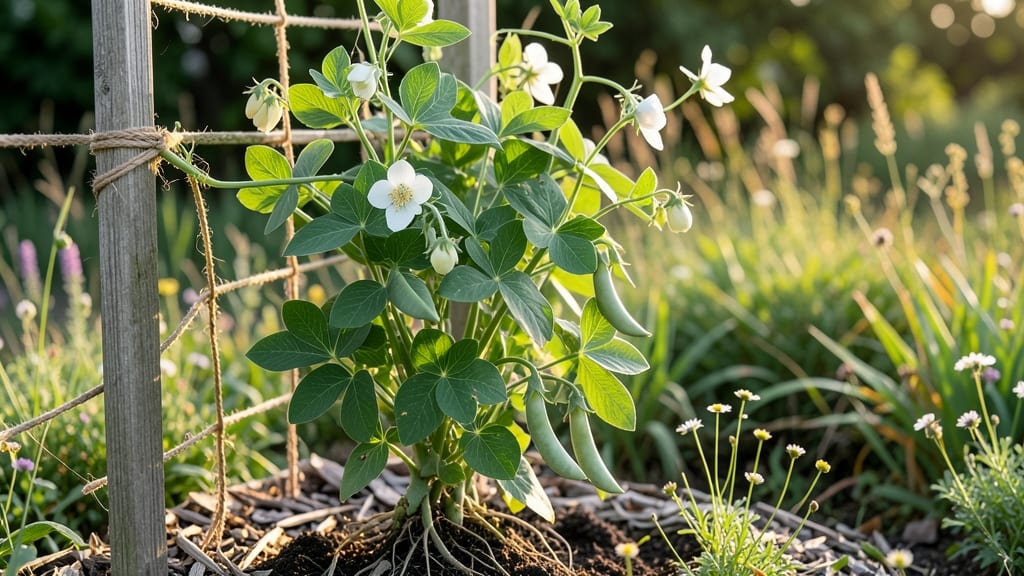
Garden peas grow anywhere from 1 to 3 feet tall, depending on whether you choose a bush variety or a climbing type 🌱 — and that height difference can change how you plan your entire garden layout.
If you’re planning a garden but unsure whether to dedicate space to peas—or how much—knowing their growth habits is key. Some varieties climb like vines, while others stay compact, but choosing the wrong type could mean wasted space or poor yields.
Taller varieties like Sugar Snap or Telephone peas can reach 6 feet with proper trellising, while dwarf types like Little Marvel stay under 2 feet. That means a small balcony garden can handle bush peas, but a fence or sturdy trellis is a must for vining types.
Below, I’ll break down the height ranges for popular varieties, how to pick the right type for your space, and the simple trellising tricks that keep peas growing tall and productive all season.


Garden pea height chart: trellis vs bush varieties compared
When planning your garden, knowing garden pea height is crucial—especially for varieties that climb versus those that stay low. Trellis varieties like Sugar Snap can reach 6-8 feet if supported, while bush types like Little Marvel max out at 1-2 feet.
Choosing the wrong type for your space can lead to overcrowding or poor yields, so let’s break down the key differences to help you decide.
Most gardeners assume all peas need tall trellises, but bush peas thrive in small spaces without support. Meanwhile, vining varieties require sturdy structures to prevent sprawling. Below, we compare popular types to help you match your garden layout to your goals—whether it’s maximizing vertical space or keeping things compact.
For vining peas, a 6-foot trellis is standard, but varieties like Telephone peas can demand 8–10 feet of vertical space. If you’re short on ground area, these are perfect for training along fences or pergolas.
Meanwhile, bush peas like Little Marvel are ideal for container gardens or small plots, as they don’t require support and stay under 1.5 feet tall.
One common mistake is assuming all peas need tall trellises. Bush varieties actually thrive without support, saving you space and effort. If you’re growing Sugar Snap or Snow Peas, invest in a sturdy trellis—these vines can become top-heavy and break if unsupported.
For dwarf types, a small cage or low trellis (1–2 feet) is optional but helps keep pods off the ground.
Another tip: spacing matters. Vining peas need 18–24 inches between plants to avoid overcrowding, while bush peas can be planted 6–12 inches apart. Overcrowding leads to poor air circulation, increasing the risk of fungal diseases.
If you’re using containers, opt for bush varieties—they’re the most adaptable to small spaces.
Climate also plays a role in height. Cooler regions (USDA Zones 3–5) may see slightly shorter growth, while warmer zones (6–8) can support taller vines. For example, Sugar Snap peas in Zone 6 might max out at 5–6 feet instead of 8 feet.
How to choose pea varieties based on garden space and climate
Peas are one of the most versatile vegetables for small spaces, but not all varieties suit every garden. If you're working with limited square footage—like a balcony or patio—dwarf varieties like Tom Thumb or Little Marvel stay under 2 feet tall and thrive without trellises.
For larger plots, climbing varieties like Sugar Snap or Oregon Sugar Pod can reach 6-8 feet with support, making them perfect for vertical gardening.
Your climate zone also plays a huge role in selection. Cold-hardy varieties like Green Arrow or Alaska can tolerate frosts down to 20°F and are ideal for early spring planting in USDA Zones 3-7.
Meanwhile, heat-tolerant types like Black Valentine handle warmer climates better, thriving in Zones 8-10 where spring temperatures rise quickly.
- Dwarf varieties (1-2 ft): Best for containers or small gardens—no trellis needed. Examples: Tom Thumb, Little Marvel.
- Bush varieties (2-3 ft): Compact but still need 18-24" spacing. Ideal for in-ground beds. Examples: Doubles, Green Arrow.
- Climbing varieties (6-8 ft): Require trellises or stakes but maximize vertical space. Examples: Sugar Snap, Mammoth Melting Sugar.
- Cold-hardy types: Tolerate 20-30°F and thrive in early spring. Best for Zones 3-7.
- Heat-tolerant types: Handle warmer climates (Zones 8-10) and late summer plantings.
For small gardens or balconies, prioritize dwarf or bush varieties that don’t need trellises. Place them near sunny fences or railings to catch light without taking up extra space.
If you have vertical space, climbing peas will double your harvest by growing upward instead of outward—just install a 5-6 foot trellis and watch them thrive.
Companion planting can also boost growth and deter pests. Pair peas with radishes (they share space well) or carrots (peas fix nitrogen, benefiting roots). Avoid planting near onions or garlic, as their scents can stunt pea growth.
In larger plots, interplant peas with corn or beans to create a natural trellis system.
Don’t overlook succession planting—especially in warm climates. After harvesting early spring peas, replant with heat-tolerant varieties like Black Valentine for a fall harvest.
This extends your growing season and ensures a steady supply of fresh peas. Just remember: cool weather (50-70°F) produces the sweetest pods, so time plantings accordingly.
If you’re unsure which variety to pick, start with Sugar Snap for versatility—it climbs but handles partial shade better than most. For beginner gardeners, Little Marvel is foolproof, producing sweet pods in just 55 days with minimal care.
With the right choice, your peas will thrive in any space, from a windowsill planter to a backyard trellis.