
How To
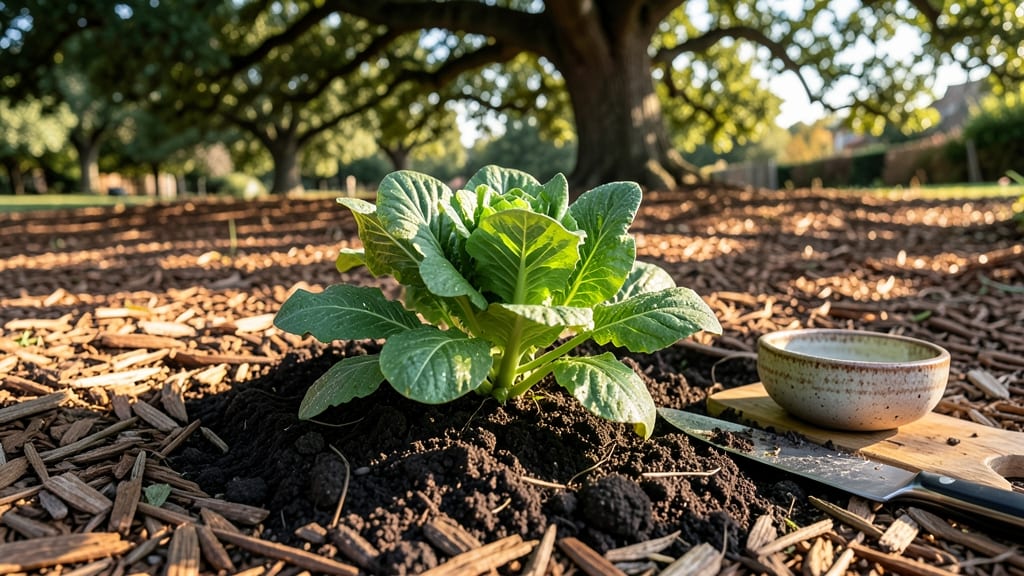
Growing a lettuce garden 🥬 is easier than you think, even in small spaces—whether you're working with a balcony, raised bed, or just a sunny patch of soil.
Picture this: crisp, homegrown lettuce ready to harvest in just 4-6 weeks, no matter how limited your space. The secret? Choosing the right varieties and layouts to pack flavor and productivity into every square foot.
Most gardeners assume lettuce needs a full sun plot, but the truth is, it thrives with just 4-6 hours of morning light—perfect for urban balconies or shady yards. We’ll show you how to pick the fastest-growing types, space them for maximum yield, and keep pests at bay without chemicals.
By the end, you’ll have a foolproof system for growing lettuce that’s bolting-resistant, pest-free, and ready to harvest leaf by leaf—no green thumb required.


Best lettuce varieties and space-saving layouts for small gardens
If you’ve ever dreamed of growing crisp, homegrown lettuce but lack a sprawling backyard, you’re in luck! The key lies in selecting compact varieties and using clever planting strategies to maximize every square inch.
With the right approach, even a balcony planter or raised bed can produce enough lettuce for salads all season long. Let’s explore the best lettuce types for small spaces and how to arrange them for optimal growth.
I’ve grown lettuce in everything from 5-gallon buckets to vertical towers, and the secret isn’t just the container—it’s the variety. Leaf lettuces like ‘Black Seeded Simpson’ and ‘Salad Bowl’ thrive in tight spaces, while butterhead varieties like ‘Buttercrunch’ offer delicate flavors without taking up much room.
For those who love crunch, romaine lettuce like ‘Little Gem’ grows upright, perfect for narrow containers or interplanting.
Here’s a quick reference to help you choose the best lettuce varieties for your space, along with their ideal planting layouts:
| Variety | Type | Mature Size | Days to Harvest | Best Layout |
|---|---|---|---|---|
| Black Seeded Simpson | Leaf | 12" tall, 12" spread | 30-40 days | Square-foot grid (4 plants/sq ft) |
| Salad Bowl | Leaf | 8" tall, 10" spread | 40-50 days | Vertical pockets (3 plants/pocket) |
| Buttercrunch | Butterhead | 10" tall, 12" spread | 50-60 days | Interplanted with carrots (6" spacing) |
| Little Gem | Romaine | 12" tall, 6" spread | 45-55 days | Tall containers (1 plant/5" diameter) |
| Oakleaf | Leaf | 10" tall, 12" spread | 35-45 days | Hanging baskets (6 plants/basket) |
One of my favorite space-saving techniques is square-foot gardening. This method divides your growing area into a grid, allowing you to fit more plants in less space.
For example, in a 1-square-foot section, you can plant 4 lettuce plants (like Black Seeded Simpson) with just 4 inches between them. This works perfectly in raised beds or even large containers.
For urban gardeners with limited floor space, vertical gardening is a game-changer. Use wall-mounted planters or stackable pockets to grow lettuce upward. Tall varieties like Little Gem romaine thrive in vertical setups, and you can even train them to grow along trellises if you’re feeling creative.
Just ensure your vertical garden gets at least 4-6 hours of sunlight daily to prevent leggy growth.
Another clever trick is interplanting lettuce with other crops that have different growth timelines. For instance, plant fast-growing radishes between rows of lettuce. Once the radishes are harvested in about 30 days, the lettuce will have enough space to spread out.
This succession planting technique keeps your garden productive year-round and maximizes every inch of soil.
If you’re working with containers, choose ones that are at least 6 inches deep to accommodate lettuce roots. Self-watering planters are ideal because they help maintain consistent moisture, which is critical for lettuce.
I’ve had great success with fabric grow bags—they’re lightweight, breathable, and perfect for balconies. Just remember to place them where they’ll get morning sun and afternoon shade to prevent bolting.
For those with even smaller spaces, like windowsill gardens, opt for dwarf varieties like ‘Merlot’ or ‘Outredgeous’ lettuce. These can thrive in shallow trays with just 3-4 hours of light per day.
Pair them with other low-light-tolerant greens like spinach or arugula to create a mini salad garden right in your kitchen.
Finally, don’t forget about succession planting to keep your lettuce harvest going. Instead of planting all your seeds at once, stagger them every 2-3 weeks throughout the growing season. This ensures a continuous supply of fresh leaves and prevents you from being overwhelmed with a sudden abundance.
It’s a simple trick that makes a huge difference in small-space gardening!
Step-by-step guide to planting lettuce in containers or raised beds
Growing lettuce in containers or raised beds is one of the easiest ways to enjoy fresh greens year-round, even in small spaces. Whether you have a balcony with pots or a raised bed in your backyard, lettuce thrives with the right conditions.
The key is well-draining soil, consistent moisture, and partial sunlight—perfect for urban gardeners with limited space.
Start by choosing a sunny spot that gets at least 4-6 hours of sunlight daily. Lettuce is surprisingly adaptable, so it can handle morning sun or dappled shade in hotter climates. If you’re planting in containers, ensure they have drainage holes to prevent root rot—a common issue for beginners.
⚠️ NON-NEGOTIABLE STEP LIST ⚠️
-
1. Prep Your Soil
Mix 50% potting soil with 50% compost for containers. For raised beds, till in 2-3 inches of compost and 1 tbsp of 5-10-10 fertilizer per square foot. -
2. Choose Your Variety
Pick leaf lettuce (like 'Black Seeded Simpson') for quick harvests or butterhead (like 'Buttercrunch') for tender leaves. Dwarf varieties fit containers best. -
3. Plant Seeds or Transplants
Sow seeds ¼ inch deep, 1 inch apart in rows 12 inches apart. For transplants, space them 6-8 inches apart to prevent overcrowding. -
4. Water Gently
Keep soil consistently moist but not soggy. Use a spray nozzle to avoid disturbing seeds. Water in the morning to reduce evaporation. -
5. Optimize Sunlight
Place containers in east-facing windows or under 50% shade cloth if temps exceed 80°F. Lettuce bolts (goes to seed) in heat—shade helps prevent this. -
6. Thin and Fertilize
Thin seedlings to 4-6 inches apart when they’re 2 inches tall. Feed with liquid fertilizer every 3-4 weeks for leafy growth. -
7. Harvest Outer Leaves
Snip outer leaves when they’re 4-6 inches long to encourage regrowth. For head lettuce, harvest the whole plant when tightly packed.
One of my favorite tricks for container gardening is using self-watering pots with a wicking system. This keeps the soil moisture steady without daily checks, which is a lifesaver when you’re busy.
For raised beds, mulch with straw or shredded leaves to retain moisture and suppress weeds—a must for low-maintenance gardens.
Lettuce grows best in cool weather, so plan your planting around your last frost date. In warmer climates, focus on fall or spring harvests to avoid the heat. If you’re in a USDA Zone 6a like me, aim for March-April or August-September plantings for the best results.
With these steps, you’ll have crisp, homegrown lettuce in as little as 30 days—perfect for salads, wraps, or garnishes. The best part? You can harvest continuously by picking outer leaves, so your garden keeps giving all season long.