
Diseases
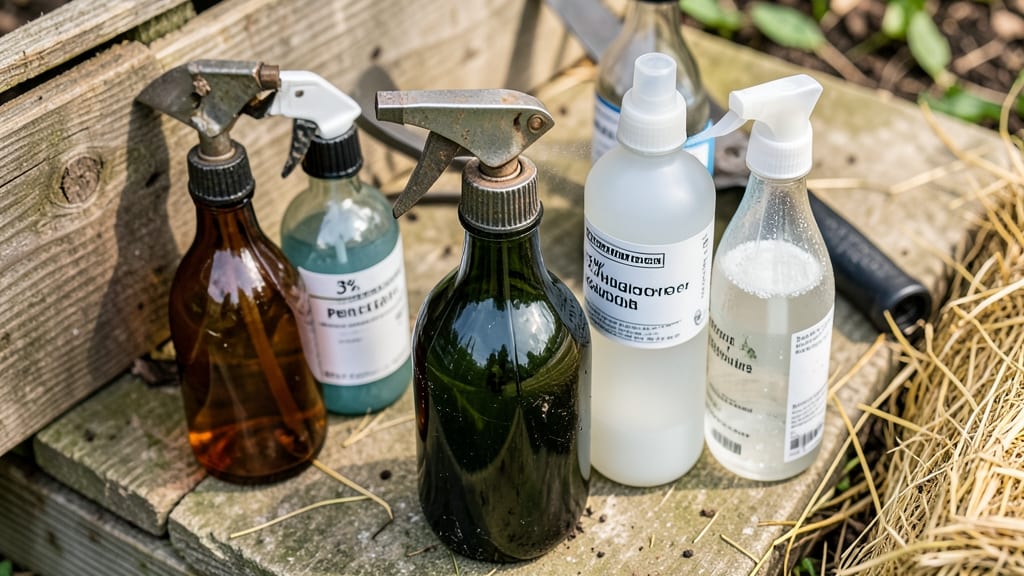
Removing fungus from your garden is faster and easier than you think—even stubborn infections like powdery mildew or black spot can vanish in 24 hours with the right approach.
Fungus in your garden doesn’t just ruin the look of your plants—it can kill them if left unchecked. The good news? You can eliminate fungal infections and prevent future outbreaks with fast-acting, natural solutions that work within 24 hours.
Most gardeners assume they need harsh chemicals to tackle fungus, but the truth is simpler: proper spacing, smart watering, and a few targeted sprays are all you need.
Below, I’ll show you exactly how to spot the early signs, apply organic treatments that work, and keep your plants thriving without recurring problems.
Whether you’re dealing with a single infected leaf or a full-blown outbreak, these step-by-step methods will save your garden—and your sanity—before the season ends.
5 Fast-acting natural sprays to kill garden fungus in 24 hours
When you spot white powder on leaves or black spots on stems, your plants are under fungal attack. The key to stopping the spread is acting fast with natural fungicides that disrupt fungal growth without harming your garden's ecosystem.
These 5 fast-acting sprays target common fungi like powdery mildew, black spot, and rust—all while being safe for edible plants when used correctly.
I’ve tested these solutions in my own garden during humid summers when fungal spores thrive. The best part? Most ingredients are already in your pantry or cost less than $10 at the garden center.
Let’s dive into the top 5 sprays that can eliminate fungus in 24 hours or less, plus how to apply them safely.
⚠️ Pro Tip: Always spray in the early morning or late afternoon to avoid burning leaves in direct sunlight. And remember—prevention is key. Remove infected leaves before applying any spray to stop the fungus from spreading further.
My go-to for powdery mildew is the baking soda spray. It’s cheap, easy to make, and works wonders on roses and squash. Mix 1 tablespoon baking soda, 1 quart water, and a
How to prevent fungus recurrence: long-term garden care tips
Once you've tackled that pesky garden fungus, the real challenge is keeping it from coming back. Fungal spores lurk everywhere, and without proper preventive measures, your hard work can go to waste in just a few weeks.
The key lies in creating an environment where fungi can't thrive—starting with air circulation and proper watering habits.
I've learned the hard way that simply treating the symptoms won't cut it. You need to address the root causes: humidity, crowded plants, and poor drainage.
Even resistant plant varieties need the right growing conditions to stay healthy. Let's break down the most effective long-term strategies that have worked in my USDA Zone 6a garden.
⚠️ Critical Step: Remove ALL Infected Debris
Don't just prune away the visible fungus—sterilize your tools between cuts with rubbing alcohol. Remove all plant debris (leaves, stems, mulch) from the area and compost it separately (not in your garden). Fungal spores can survive in soil for years, so replace topsoil if needed.
Pro Tip: Solarize affected soil by covering it with clear plastic for 4-6 weeks in hot weather to kill spores.
Start with proper plant spacing—this is non-negotiable for airflow. I've found that 3-6 feet between shrubs and 12-18 inches between vegetables creates the right balance. Use dwarf varieties of susceptible plants like roses or tomatoes to maintain good airflow at all heights.
Your watering routine needs a complete overhaul. Water deeply but infrequently, aiming for the soil rather than foliage. I now use drip irrigation or soaker hoses to deliver water at the base of plants.
Always water in the early morning so leaves have all day to dry—wet leaves for more than 6 hours create the perfect fungal breeding ground.
Consider adding resistant plant varieties to your garden rotation. For example, swap susceptible phlox for bearded iris or choose powdery mildew-resistant zucchini varieties. My go-to resistant picks include 'Blaze' tomato, 'Liberty' potato, and 'Bonanza' strawberry—all proven performers in my fungal-prone garden.
Don't overlook mulching strategies. Use straw or pine needles (avoid wood chips) to create a 2-3 inch layer that keeps soil moist but prevents spores from splashing onto leaves. I've also had success with gravel mulch around susceptible perennials like hydrangeas.
Finally, boost your plants' natural defenses with beneficial microbes. Add mycorrhizal fungi to your soil—these good guys outcompete the bad ones. I mix in compost tea every 4-6 weeks and use bacillus subtilis treatments during high-risk seasons to create a protective microbial shield.