
Tools
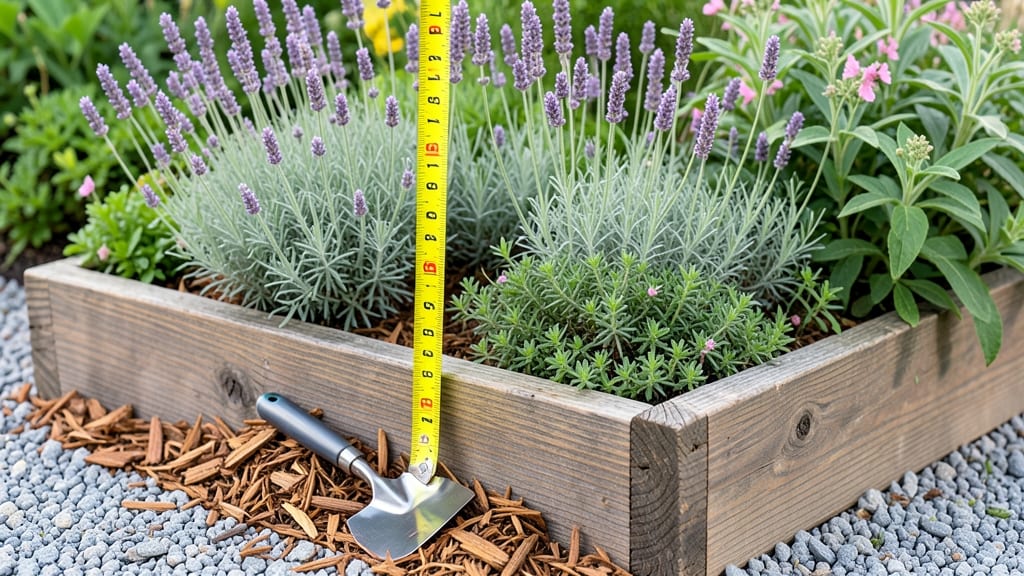
The ideal garden bed height for most plants is 6 to 12 inches deep, creating a total height of 12 to 18 inches (including soil base) that promotes strong root development, proper drainage, and fewer weeds. For deep-rooted vegetables like tomatoes or carrots, raised beds should be at least 8 inches deep.
The right garden bed height isn't just about aesthetics—it's about creating the perfect environment for roots to spread and breathe. 🌱 A deeper bed (like 12 inches) gives plants like carrots or potatoes the room they need to grow fully, while shallower beds (6 inches) work well for herbs and leafy greens.
The extra height also helps with drainage, keeping roots from sitting in soggy soil, which can rot them over time. Plus, taller beds naturally block weeds by limiting sunlight to their seeds.
Raised beds offer another advantage: they warm up faster in spring, giving you an earlier planting window. For slopes or poor soil, they're a game-changer because you control the soil mix entirely.
Just remember—if you're growing heavy feeders like corn or squash, you might need to replenish nutrients more often in raised beds since they dry out faster than in-ground plots.
💡 In This Article
- Soil Science Behind Optimal Garden Bed Depth
- Plant-Specific Bed Height Recommendations
Soil science behind optimal garden bed depth
The perfect garden bed depth isn't arbitrary—it's rooted in how plants breathe. Roots need oxygen to respire, and deeper beds (8+ inches) create an ideal aeration zone where roots can expand without compacting.
Shallow beds (<6 inches) force roots to compete for space, often leading to stunted growth. The upper 6 inches of soil contains 90% of a plant's roots for most vegetables, but deeper beds allow roots to access moisture and nutrients in lower layers during droughts.
Moisture retention is another critical factor. A 12-inch-deep bed holds 30-40% more water than a 6-inch bed due to increased soil volume, which is crucial during dry spells. The extra depth also prevents capillary action from pulling water up from waterlogged subsoil—a common problem in in-ground beds.
Raised beds, with their controlled soil mix, can even improve drainage by 20-30% compared to native soil, reducing root rot risks for moisture-sensitive plants like lettuce or basil.
Nutrient distribution follows physics: deeper beds spread organic matter and fertilizer more evenly. When you till compost into a 12-inch bed, nutrients are available throughout the root zone, whereas in a 6-inch bed, they concentrate near the surface.
This is why deep-rooted plants like carrots or asparagus thrive in taller beds—they can access nutrients at all growth stages. The extra height also creates a warmer microclimate in spring, accelerating germination by 1-2 weeks compared to in-ground planting.
Weed suppression is the hidden benefit of height. Beds taller than 10 inches block 90% of sunlight from reaching weed seeds, while shallower beds let weeds compete for resources. The extra soil volume also dilutes weed seeds naturally.
For slopes, taller beds prevent erosion by creating a stable base, while in-ground beds on inclines risk soil loss during heavy rains. The 12-18 inch total height (including base) standard balances all these factors for most gardens.
Soil structure matters too. Loamy soils (ideal for most plants) benefit from 12-inch depths because they hold moisture without becoming waterlogged, while sandy soils need the extra depth to retain humidity. Clay soils, however, may require amendments like perlite in deeper beds to prevent compaction.
The key is matching bed depth to your soil type—sandy soils can sometimes work with 8-inch beds if heavily mulched, while clay-heavy soils often need 14+ inches for proper aeration.
Consider this: a 12-inch bed gives you 50% more rooting volume than a 6-inch bed, which translates to 20-30% larger yields for many crops. The extra space lets roots explore for nutrients instead of crowding near the surface.
For example, a tomato plant in a 12-inch bed might produce 30% more fruit than one in a 6-inch bed because its roots can access water and minerals deeper down.
What most gardeners overlook is how bed height affects microbiology. Deeper beds support a more diverse soil food web because they maintain moisture gradients that different microbes prefer.
The top 4 inches might host bacteria, while 8-12 inches down could be ideal for fungi networks that break down organic matter. This microbial diversity directly impacts plant health—roots in deeper beds often show 15-20% more beneficial mycorrhizal fungi colonization.