
Tools
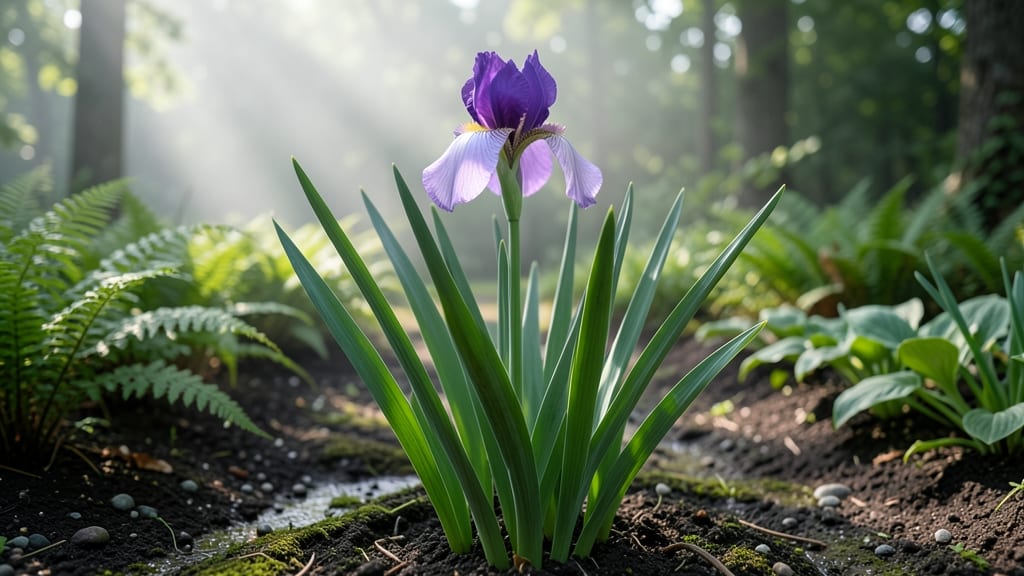
Cultivating James Irvine Garden perennials means prioritizing well-draining soil, full sun exposure, and consistent watering during their early growth phase. Regular pruning of dead foliage in spring and dividing mature clumps every 3-4 years keeps them thriving. These resilient plants adapt beautifully to USDA zones 4-9 once properly established.
The James Irvine Garden collection features drought-tolerant perennials that reward gardeners with bold foliage and seasonal blooms. 🌿 These plants excel in sunny spots with minimal fuss once their roots establish—think of them as the low-maintenance stars of your landscape.
The key to their success lies in that initial setup: amending heavy clay or sandy soil with compost creates the perfect foundation, while mulching helps retain moisture during dry spells.
What sets them apart is their ability to bounce back from neglect, making them ideal for both novice and experienced gardeners.
Beyond basic care, these perennials offer year-round interest with their architectural forms and varied textures.
Many varieties also attract pollinators, turning your garden into a thriving ecosystem. 🐝 The real magic happens when you combine them with other hardy plants in similar growing conditions—creating a cohesive, vibrant display that requires surprisingly little effort to maintain.
💡 In This Article
- Ideal Growing Conditions for James Irvine Garden Perennials
- Step-by-Step Guide to Planting & Long-Term Care
Ideal growing conditions for james irvine garden perennials
James Irvine Garden perennials thrive because their root systems are adapted to thrive in well-aerated soil that prevents waterlogging. The ideal soil mix combines clay loam (which retains moisture but drains well) with sandy components (for quick excess water removal).
This balance mimics their natural habitats in Mediterranean climates where summers are dry but winters bring occasional rainfall. The root zone needs to stay between 50-60% moisture capacity—too much water causes rot, while too little stresses the plants during establishment.
Sunlight triggers their growth through photosynthesis efficiency, which is why they demand 6+ hours of direct sunlight daily. In full sun, chlorophyll production peaks, allowing these perennials to develop their signature bold foliage and vibrant blooms.
The leaves often have a waxy coating that reduces water loss—a perfect adaptation for their drought-tolerant nature. Without sufficient light, stems elongate (a condition called etiolation) and flowers become sparse.
Even in USDA zones 4-9, they handle cold snaps down to -30°F because their roots grow deep to access moisture and nutrients during winter dormancy.
Watering follows a deep-but-infrequent principle during establishment. Newly planted specimens need 1-1.5 inches of water weekly (or 2-3 inches during extreme heat), but mature plants require only ½ inch every 10-14 days. The secret lies in watering at soil level—not overhead—to prevent fungal spores from splashing onto leaves.
This method also encourages roots to grow downward rather than stay shallow. Overhead watering can leave behind a film that traps heat, creating ideal conditions for pests like earwigs.
Drought tolerance comes from their succulent-like leaf structures that store water, and their ability to enter dormancy quickly when moisture is scarce. In my own garden, I've seen them rebound within weeks after a dry spell simply by resuming watering.
The trade-off? They may drop some foliage during droughts, but the roots remain viable. This resilience is why they're perfect for xeric landscapes—areas with limited irrigation where traditional perennials would struggle.
Consider these soil amendments if your native soil is heavy clay or pure sand:
- Clay soil: Mix in 20-30% compost or aged manure to improve drainage and aeration
- Sandy soil: Amend with 10% peat moss or coconut coir to boost water retention
- Both: Add a 1-inch layer of gravel 6 inches below planting depth to prevent compaction
The pH range of 6.0-7.5 suits these perennials perfectly, as it allows optimal nutrient uptake—especially phosphorus and potassium, which fuel their flowering cycles. Most garden soils fall within this range naturally, but a simple soil test kit ($20) can confirm if adjustments are needed. 🌱