
Watering
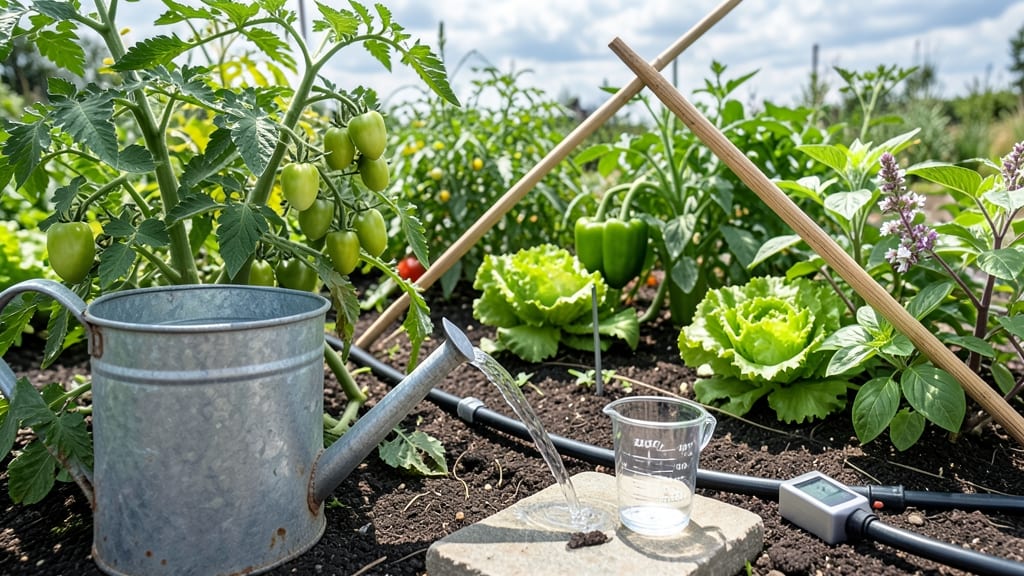
A garden needs 1 to 3 inches of water per week—but that’s just the starting point, and guessing wrong could mean wilting plants or wasted water.
Overwatering or underwatering your garden can turn lush green plants into crispy brown casualties—so how do you strike the perfect balance? The answer lies in understanding your soil type and plant needs, not just guessing by the calendar.
Clay soil holds moisture like a sponge, while sandy soil drains faster than a sieve. Even the same plant in two different spots may need completely different watering schedules.
Below, I’ll break down how to read your soil, adjust for your climate, and keep your garden thriving without a drop to spare.
You’ll learn the exact watering rules for common plants, smart techniques to conserve water, and the telltale signs that your garden is either drowning or thirsty.


Soil-specific watering requirements for healthy garden growth
Your garden’s soil type determines how much water your plants truly need—and getting it wrong can mean the difference between thriving blooms and wilted leaves. Sandy soil drains like a sieve, while clay soil holds moisture like a sponge. Even loamy soil, the gardener’s gold standard, requires nuanced care.
One-size-fits-all watering schedules fail because they ignore these critical differences in moisture retention and root development. Let’s break down how to adjust your watering routine for your garden’s unique conditions.
Understanding your soil’s texture isn’t just about guessing—it’s about science. Sandy soils need frequent, shallow watering because they dry out quickly, while clay soils can suffocate roots if overwatered. Loam, the ideal mix, balances drainage and retention, but even it demands attention to seasonal changes.
By tailoring your approach, you’ll save water, prevent disease, and give your plants the perfect hydration balance they crave.
🌱
| Soil Type | Water Retention | Watering Frequency | Root Depth | Key Adjustments |
|---|---|---|---|---|
| Sandy | Low (dries fast) | Every 1-2 days (light) | Shallow (1-2 inches) | Use mulch; water deeply but often |
| Clay | High (holds moisture) | Every 7-10 days (deep) | Deep (6+ inches) | Avoid standing water; amend with compost |
| Loamy | Moderate (balanced) | Every 3-5 days (moderate) | Moderate (3-6 inches) | Ideal for most plants; monitor weather |
| Silty | Moderate-High | Every 4-7 days (deep) | Moderate (4-6 inches) | Prone to compaction; add organic matter |
If your garden has sandy soil, think of watering like a quick shower—frequent but light. I’ve seen tomatoes in sandy beds crisp up by noon if not watered twice daily in summer.
The key is to water deeply but often, encouraging roots to grow downward rather than staying shallow. Mulching with straw or wood chips can slow evaporation and keep moisture near the roots where it’s needed most.
On the flip side, clay soil gardens can become waterlogged if you’re not careful. I once had a hydrangea plant turn yellow because its roots were drowning in soggy clay. For clay-heavy soils, deep but infrequent watering is critical.
Let the top 2-3 inches dry out between sessions, and always check for standing water. Amending with compost or perlite can improve drainage over time.
💧
Loamy soil is the happy medium, but even it needs adjustments based on your climate zone and plant types. For example, succulents in loam need far less water than leafy greens. I recommend testing your soil’s moisture level with a simple finger check: stick your finger 1-2 inches deep. If it’s dry, water; if it’s damp, wait. This method beats guessing and ensures your plants get just what they need.
For silty soils, which are fertile but can compact easily, focus on deep watering every 4-7 days. These soils retain moisture well but may suffocate roots if overworked. Adding organic matter like leaf mold or well-rotted manure keeps the structure loose and airy.
I’ve found that silty soils respond well to drip irrigation, which delivers water slowly and evenly.
Seasonal shifts also change the game. In summer heat, all soil types dry out faster, so increase frequency by 30-50%. In winter, reduce watering to every 10-14 days unless you’re growing winter greens like kale. Always adjust based on rainfall—a good soaking can replace 1-2 watering sessions.
🌿
Pro tip: Group plants with similar water needs together in your garden layout. For example, pair tomatoes and peppers (which love consistent
How to calculate the exact water needs for your plants (by type)
Determining the exact water needs for your garden isn’t about following a generic schedule—it’s about understanding each plant’s unique requirements. Vegetables like tomatoes need consistent moisture, while drought-resistant succulents thrive with minimal water.
The key is matching your watering routine to the plant’s maturity stage, climate zone, and seasonal demands. For example, a young basil plant in Zone 7 requires more frequent watering than a mature rosemary bush in the same zone.
Start by grouping your plants into categories: vegetables, flowers, shrubs, and trees. Each category has distinct water needs based on root depth and growth habits. Vegetables typically need 1-1.5 inches of water per week, while trees may require 10-15 gallons per week depending on their size.
Seasonal adjustments are critical—summer heat increases evaporation, while winter dormancy reduces watering needs. Signs like wilting leaves or yellowing foliage often signal over- or under-watering.
- 💧 Vegetables: 1-1.5" per week (e.g., tomatoes, peppers). Adjust for container vs. ground.
- 🌼 Flowers: 1" per week (e.g., roses need deep weekly soaks; succulents need none).
- 🌳 Shrubs: 1-2" per week (e.g., hydrangeas love moisture; lavender hates it).
- 🌳 Trees: 10-15 gallons per week (e.g., young fruit trees need deep weekly watering; mature oaks need bi-weekly deep soaks).
💡 Pro Tip: Use a trowel or moisture meter to check soil depth—1 inch of water should penetrate 6 inches deep for most plants.
For young plants, focus on frequent shallow watering to encourage root growth, while mature plants benefit from deep, infrequent watering. In Zone 8+, summer watering may require daily checks, whereas Zone 5 gardens can stretch watering to every 10-14 days in winter.
Always water in the early morning to minimize evaporation and fungal risks. Overwatering is just as harmful as underwatering—root rot from soggy soil can kill plants faster than drought.
Drought-resistant plants like agave or sedum need almost no water once established, while water-loving plants such as cucumbers or hostas require consistent moisture.
Adjust your schedule by observing leaf color and soil texture: dark green leaves with crisp edges mean your plants are happy, while yellowing leaves or shriveled soil signal a need for water. Mulching can reduce water needs by 30-50% by retaining moisture in the soil.
Create a custom watering calendar based on your garden’s plant types and climate zone. For example, a Zone 7 vegetable garden might need daily watering in July but only weekly in October. Use a rain gauge to track precipitation—subtract rainfall from your watering totals to avoid overhydration.
Signs of overwatering include mushy stems or white mold, while underwatering causes crispy leaf edges and drooping foliage.
Don’t forget to adjust for container plants, which dry out faster than in-ground gardens. Potted herbs may need watering every 2-3 days in summer, while large shrubs in the ground can go 10-14 days without water.
By tailoring your approach to each plant’s needs, you’ll save water, reduce waste, and keep your garden thriving year-round. 🌱