
Tools
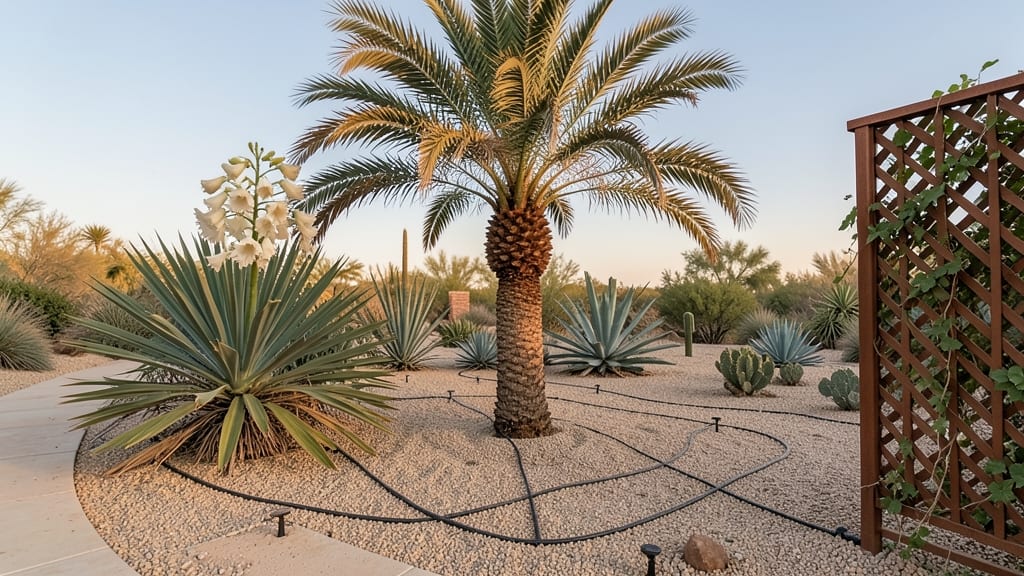
Moorten Botanical Garden in Palm Springs features stunning desert landscapes with drought-resistant flora, curated themed gardens like the Japanese Zen rock garden and Mediterranean courtyard, plus seasonal wildflower displays and guided nature trails perfect for photographers and outdoor enthusiasts.
This hidden desert oasis transforms Palm Springs into a year-round botanical wonderland, where each season reveals new plant life and photographic opportunities. 🌵 The garden's carefully designed trails wind through native desert plants like Joshua trees and cacti, while the themed gardens offer serene escapes with different cultural influences.
I always recommend visiting during early spring for wildflower blooms or late fall for vibrant succulent colors—both times create magical lighting for photography.
What sets Moorten apart is its blend of education and exploration. Guided hikes uncover the science behind desert plant adaptations, while self-guided paths let you discover hidden corners at your own pace.
Whether you're chasing seasonal blooms or simply enjoying the desert's quiet beauty, this garden delivers a unique Palm Springs experience.
💡 In This Article
- Desert Plant Adaptations at Moorten Botanical Garden
- Best Times to Visit Moorten for Seasonal Blooms
Desert plant adaptations at Moorten botanical garden
The plants thriving at Moorten Botanical Garden are engineering marvels of nature's survival strategies. Take the agave, for instance—its thick, fleshy leaves store vast amounts of water (up to 90% of its weight) while its sharp spines deter herbivores.
This succulent's waxy coating reduces water loss through evaporation, a critical adaptation in Palm Springs' 100°F+ summers. The garden's yucca plants take this further with their deep root systems that tap into groundwater sources up to 15 feet below the surface.
Seasonal growth cycles here follow a precise biological rhythm. Most desert plants like the ocotillo remain dormant through winter's cooler months, then burst into bright red flowers during spring's 60-70°F temperatures. This timing coincides with increased rainfall patterns that trigger their blooming.
The garden's Joshua trees exhibit a fascinating adaptation where their branches grow upward first, then downward—a strategy to maximize sunlight capture while minimizing water loss through their unique leaf-like structures.
What makes Moorten's collection so educational is how it demonstrates these adaptations in action. The cactus garden features barrel cacti that can survive 200+ days without water, while the palm oasis shows how fan palms evolved to thrive with only 10 inches of annual rainfall.
The garden's elevation of 1,400 feet creates microclimates that support both high desert and low desert species side by side, offering visitors a living textbook of botanical resilience.
Visitors often marvel at how these plants create their own microclimates. The saguaro cacti can increase local humidity through transpiration, while the creosote bushes release chemicals that inhibit competing plants within a 50-foot radius. This ecological engineering creates the diverse plant communities you'll see throughout the garden's 12-acre expanse.
The Japanese Zen garden demonstrates how even non-native species can adapt when given the right conditions, with its carefully placed stones and raked gravel mimicking desert water retention patterns.
One surprising adaptation is how many desert plants have evolved to reflect sunlight rather than absorb it. The white bark of desert willows and silvery leaves of desert marigolds act like natural sunscreen, reducing heat absorption by up to 30%.
This is why the garden's sunset photography spots often feature these plants—their reflective surfaces create stunning backlighting effects. The desert ironwood trees take this further with their dark, heat-absorbing bark that actually helps regulate soil temperatures around their roots.
For plant enthusiasts, Moorten's labeling system reveals even more fascinating details. Each plant marker includes information about its water requirements, native range, and pollination methods.
You'll discover that many desert flowers are pollinated by night-flying moths rather than daytime bees, which explains why their blooms often open at night and emit strong fragrances.
This nocturnal adaptation is particularly visible in the garden's evening guided tours, where you can see plants like the queen of the night cactus in full bloom under artificial lighting.