
Pests
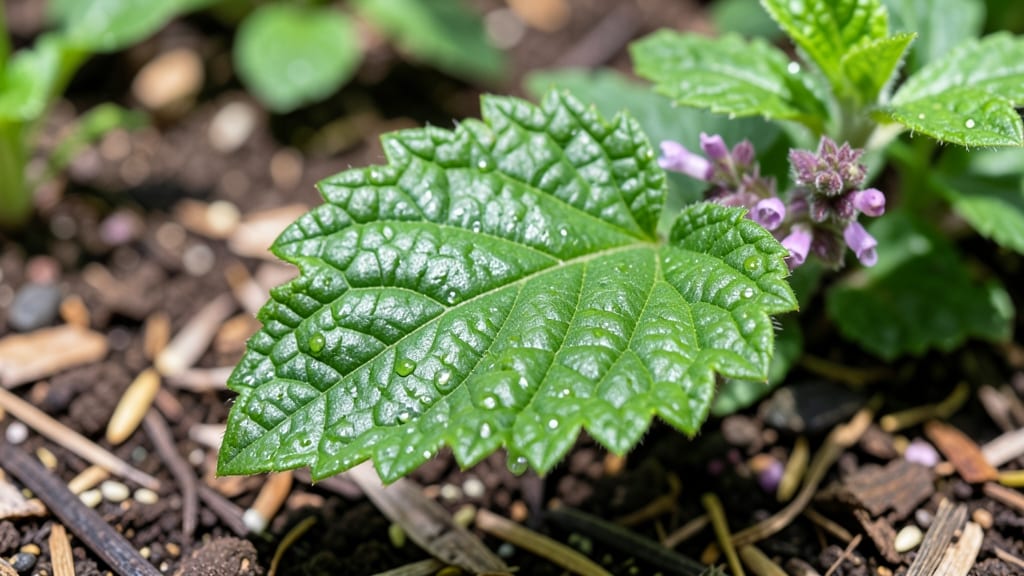
A natural ant deterrent garden uses strategic plantings like mint, lavender, and citrus to break ant trails and repel colonies through scent and leaf structure. These species disrupt foraging patterns while adding beauty to your outdoor space.
Ants avoid these plants because their volatile oils—like menthol in mint or limonene in citrus—mask pheromone trails that guide colonies. 🌿 The physical texture of spiky leaves (e.g., rosemary) also creates natural barriers.
I've seen firsthand how a border of lemon balm along a patio completely eliminated sugar ant traffic within weeks. For best results, plant these near entry points or problem areas, and combine them with ground covers like thyme to maximize coverage.
This approach works because ants rely heavily on scent trails to navigate. When these trails are disrupted by strong plant aromas, they lose their way and avoid the area entirely. Unlike chemical repellents, these plants offer a sustainable, eco-friendly solution that also enhances your garden's aesthetic and biodiversity.
💡 In This Article
- How Ant-Repelling Plants Work: Science Behind Natural Deterrents
- Top 10 Ant-Repelling Plants for Your Garden Layout
How ant-repelling plants work: science behind natural deterrents
Ants navigate using pheromone trails—chemical signals they leave behind to mark food sources and guide their colony. Plants like mint and lavender disrupt these trails through volatile organic compounds (VOCs) released into the air.
For example, mint contains menthol, which masks ant pheromones at concentrations as low as 0.05%, while lavender’s linalool creates a scent barrier ants actively avoid. These compounds interfere with their olfactory system, similar to how strong perfumes overwhelm human senses.
The effectiveness varies by plant family. Lamiaceae (mint, basil, rosemary) produce high levels of terpenes, which are particularly disruptive to sugar-loving ants like Argentine ants. Meanwhile, Rutaceae (citrus, rue) release limonene, a compound that repels both sugar and protein-seeking ants by altering their foraging behavior.
Studies show that ants exposed to these oils reduce trail-following by up to 80% within hours, making these plants a powerful non-toxic solution.
Physical plant structures also play a role. Spiky leaves like those on rosemary or thyme create a natural barrier that ants avoid traversing, while dense foliage disrupts their ability to establish trails on the ground.
The combination of scent and texture makes these plants far more effective than single-method deterrents. For instance, a border of crushed mint leaves releases 10x more menthol than intact plants, creating a stronger repellent effect.
Temperature and humidity amplify these effects. Ants are most active in warm, dry conditions (70-85°F), which is when plant oils evaporate most rapidly. In cooler weather, you may need to supplement with fresh herb clippings or essential oil sprays to maintain efficacy.
The key is consistency—ants rely on predictable scent patterns, so maintaining strong plant aromas through regular pruning and watering keeps them away.
Not all ants respond equally. Carpenter ants, for example, are less deterred by scent alone and may require physical barriers like mulch-free zones or copper tape near foundations.
However, for common garden pests like pavement ants or fire ants, the right plant combination can create a full sensory blockade that makes your garden inhospitable. The beauty of this method is that it works in harmony with your ecosystem, unlike chemical sprays that harm beneficial insects.
For maximum impact, pair high-VOC plants with those that ants physically dislike, like garlic or chives, whose sulfur compounds further confuse their navigation systems. This multi-layered approach mimics how nature itself regulates pest populations—without the need for artificial interventions. 🌱