
Planting
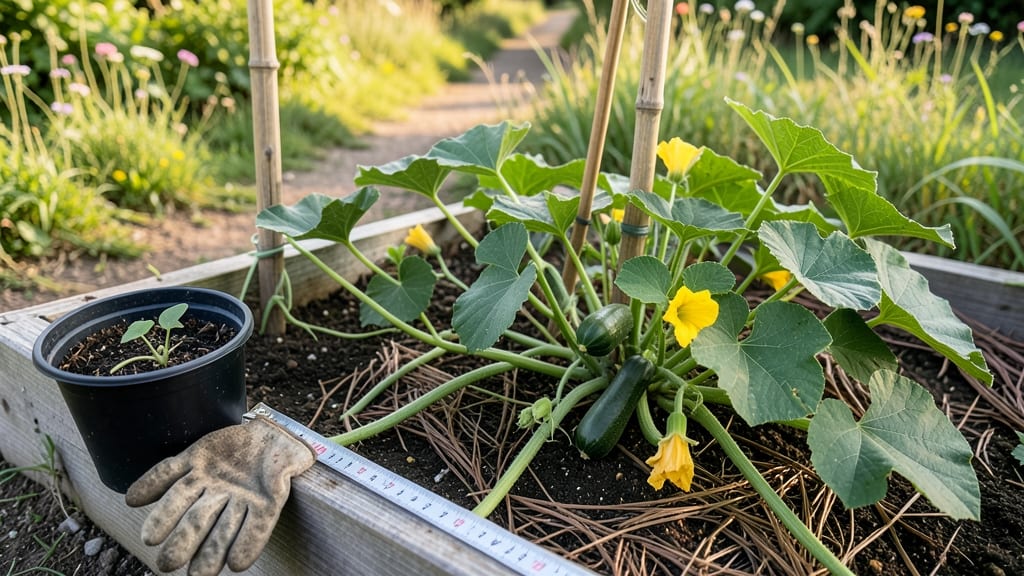
Spacing squash in your garden correctly is the secret to bigger harvests and fewer pests 🎃—crowd them too close, and you’ll end up with bitter fruit and powdery mildew.
I’ve watched my own squash plants struggle when they’re packed in like sardines, and the difference after spacing them right? Healthier vines, more fruit, and zero disease battles. Whether you’re growing bush varieties like zucchini or sprawling types like pumpkins, the layout matters more than you think.
In this guide, I’ll break down the exact spacing for both bush and vining squash, how to arrange them in rows or hills, and the simple tricks to keep your garden thriving—no guesswork involved.
You’ll learn how to avoid common mistakes, maximize sunlight, and even pair squash with the best companion plants to boost yields. Let’s get your garden set up for success!
Optimal squash spacing by variety: bush vs. vining types
Getting the squash spacing right can mean the difference between a bountiful harvest and a garden full of struggling plants. Whether you're growing zucchini, butternut squash, or pumpkins, proper spacing ensures strong vines, healthy fruit, and fewer pests.
I’ve grown both bush varieties and vining types for years, and these spacing guidelines have helped me maximize my yield every season.
First, understand that bush squash (like zucchini or pattypan) stay compact, while vining squash (such as spaghetti squash or pumpkins) spread aggressively. The wrong spacing leads to overcrowding, which invites powdery mildew and weakens fruit development.
Let’s break down the exact measurements you need for each type to keep your garden thriving.
For summer squash like zucchini, I recommend spacing plants 12–24 inches apart in rows that are 3–4 feet apart. This gives them enough room to spread without competing for nutrients.
If you’re growing pattypan squash, stick to the tighter end of this range—12–18 inches—since they’re more compact. Thin seedlings to the strongest one per hill to avoid overcrowding early on.
When it comes to winter squash, like butternut or acorn, you’ll need to give them more space. These varieties have vining habits and can sprawl up to 5 feet if unchecked. Space them 24–36 inches apart in rows that are 4–5 feet apart.
This spacing prevents disease spread and allows for better airflow, which is critical for preventing powdery mildew—a common issue with squash.
If you’re growing spaghetti squash or pumpkins, you’ll need to plan for even more space. These varieties are heavy vines and can spread 6–10 feet if left unchecked. For spaghetti squash, space plants 36–48 inches apart in rows that are 5–6 feet apart.
For pumpkins, go as wide as 48–72 inches between plants and 6–8 feet between rows. This might seem excessive, but it’s worth it for the large fruit you’ll harvest.
One of my biggest lessons? Don’t skimp on row spacing. I once crammed zucchini plants into rows that were only 2 feet apart, and by mid-summer, the center plants were struggling with fungal diseases.
Since then, I’ve made sure to follow the 3–4 foot row spacing rule for summer squash and 4–5 foot rule for winter varieties. It’s a small adjustment that makes a huge difference in plant health.
For container gardening, you can adapt these spacing guidelines by using larger pots (at least 12–18 inches in diameter) for bush varieties. Place one plant per container and ensure the pot has drainage holes.
If you’re growing vining types in containers, choose 5-gallon buckets or larger and train the vines upward with a trellis. This saves space while still giving the plants room to thrive.
Pro tip: If you’re short on space, consider interplanting fast-growing crops like rad
Garden layout strategies to prevent disease and maximize sunlight
Proper garden layout transforms your squash patch from a disease magnet into a thriving, high-yielding space. The key? strategic spacing that balances sunlight exposure with airflow circulation. Crowded plants create humid microclimates perfect for powdery mildew, while poor sunlight leads to weak vines and poor fruit set.
Let’s break down the best layouts for different growing situations.
For raised beds, I recommend planting squash in a grid pattern with 24-36 inches between plants for bush varieties and 36-48 inches for vining types. This tight spacing works because raised beds drain faster, reducing fungal risks.
In containers, opt for one bush squash per 5-gallon pot or two small vining plants in a 10-gallon container—just ensure they get 6+ hours of sunlight daily.
⚠️ NON-NEGOTIABLE: Never plant squash in the same spot where you grew other cucurbits (cucumbers, melons, pumpkins) last year. This crop rotation rule prevents soil-borne diseases from building up. Instead, follow companion plants like bush beans, radishes, or marigolds—they deter pests and improve growth.
🌱 Squash Layout Cheat Sheet
- 🌱 Raised Beds: 2-3 plants per 4'x8' bed, 24-36" spacing (bush), 36-48" spacing (vining)
- 🪴 Containers: 1 bush per 5-gal pot, trellis vining types to save space (use 6-ft tall cages)
- 🌿 Open Soil: 3-4 ft rows, 4-5 ft between rows for airflow; plant north-south orientation for even sunlight
- 🌞 Sunlight Hack: Use reflective mulch (white plastic) under plants to bounce light onto leaves and boost photosynthesis
- 🌿 Trellising Tip: Train vining squash (like spaghetti squash) onto strong trellises to save 70%+ space and reduce disease risk
Vining squash varieties—think butternut squash or pumpkinstrellis them vertically using heavy-duty cages or A-frame trellises. This not only saves space but also improves airflow at the base, cutting powdery mildew risk by up to 50%. Just ensure your trellis can support 10-20 lb fruits!
One of my favorite companion planting tricks is interspersing squash with nasturtiums. These flowers act as trap crops, luring pests like squash bugs away from your main plants.
Plus, their bright blooms add color to your garden while keeping aphids at bay. For extra insurance, plant garlic or onions nearby—their scent repels many common squash pests.
Finally, mulch heavily around your squash plants with straw or shredded leaves. This keeps soil moist, suppresses weeds, and—most importantly—prevents splashback from rain, which spreads fungal spores. Aim for a 3-4 inch mulch layer and keep it 2 inches away from stems to avoid rot.
With these layouts, your squash will bask in sunlight, thrive in fresh air, and produce bountiful, disease-free harvests. Happy planting! 🎃