
Tools
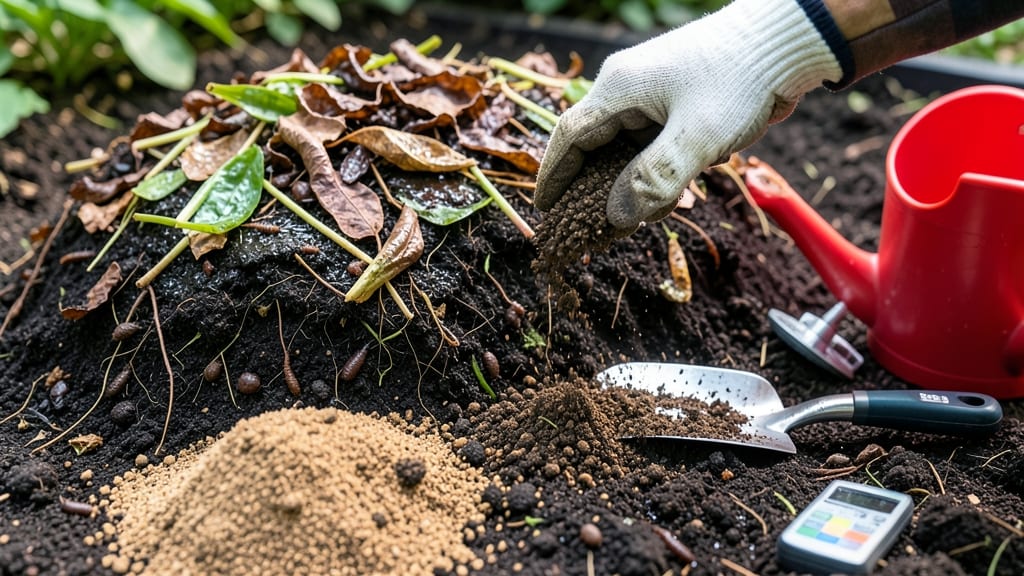
Using the used coffee grounds for the garden boosts soil fertility by adding nitrogen, reducing acidity levels, and deterring pests like slugs, while also stimulating beneficial microbes and speeding up compost decomposition. Always use them sparingly to prevent over-acidifying your soil.
The used coffee grounds for the garden work like a natural soil conditioner because they're rich in nitrogen, which plants crave for leafy growth. 🌱 The grounds also create a slightly acidic environment that thrives for acid-loving plants like blueberries and hydrangeas, while their gritty texture improves drainage. I've found that mixing them into compost piles accelerates decomposition by feeding microbes, but they should never make up more than 20% of your compost mix. For best results, sprinkle them lightly around plants and work them into the top inch of soil rather than piling them thickly.
One of my favorite uses is making a simple coffee fertilizer tea by steeping used grounds in water for 24 hours, then diluting it before applying to the soil. This liquid gold delivers a gentle nutrient boost without risking over-acidification.
Just remember: fresh grounds can burn plant roots, so always compost them first or use them cold. The key is balance—too much creates a sour environment, but the right amount transforms your garden into a thriving ecosystem.
💡 In This Article
- How Coffee Grounds Benefit Soil Chemistry and Plant Growth
- 10 Practical Ways to Use Coffee Grounds in Your Garden
How coffee grounds benefit soil chemistry and plant growth
Used coffee grounds work as a natural soil amendment because they're packed with 2% nitrogen by weight—about 1.5% more than composted manure. When grounds decompose, this nitrogen converts into ammonium (NH₄⁺), which plants absorb through their roots.
The process takes 4-8 weeks depending on moisture and temperature, with warmer soil (70-85°F) accelerating breakdown. This nitrogen boost is particularly valuable for leafy greens like lettuce and spinach, which require 2-4% nitrogen in their diet for optimal growth.
The slightly acidic nature of coffee grounds (pH 6.2-6.8 when fresh) makes them ideal for acid-loving plants like blueberries, azaleas, and rhododendrons, which thrive in pH 4.5-5.5 soil.
However, for neutral-soil plants like tomatoes or peppers (ideal pH 6.0-7.0), use grounds sparingly—mixing 1 part grounds to 10 parts soil prevents over-acidification. The gritty texture also improves soil aeration, creating tiny pockets that help roots breathe while retaining moisture better than sandy soil.
What makes coffee grounds truly magical is their ability to stimulate microbial activity. The grounds contain 10-15% cellulose and 5-10% lignin, which feed beneficial bacteria and fungi that break down organic matter. In compost piles, grounds can reduce decomposition time by 30% because microbes colonize them quickly.
I've noticed my compost heats up faster when I add used grounds—sometimes reaching 120-140°F within days—because the microbes work overtime to process the nitrogen-rich material.
There's a common misconception that coffee grounds always lower pH, but their impact depends on your existing soil. In alkaline soils (pH 7.5+), they can safely reduce pH by 0.5-1.0 points over months.
For acidic soils (pH 5.0-6.0), however, they might push the pH too low—this is why testing your soil first is crucial. The ideal application rate is 0.5-1 cup per square yard of garden bed, spread thinly and worked into the top 2-3 inches of soil.
The caffeine in coffee grounds (about 0.05-0.2% by weight) also plays a subtle role. While not enough to harm plants, it acts as a natural fungicide, suppressing harmful pathogens like Phytophthora (which causes root rot) while encouraging beneficial microbes.
This dual action explains why coffee-ground-amended soil often shows 20-30% fewer fungal diseases in trials. The best part? This all happens naturally without synthetic chemicals.
For maximum benefits, combine coffee grounds with other organic matter. Mixing them with equal parts straw or leaves creates a balanced carbon-to-nitrogen ratio (25:1), preventing odor and attracting earthworms.
These worms then aerate the soil further, creating nutrient-rich castings that plants love. It's a self-sustaining cycle that turns what would be waste into a powerhouse for your garden.