
Flowers
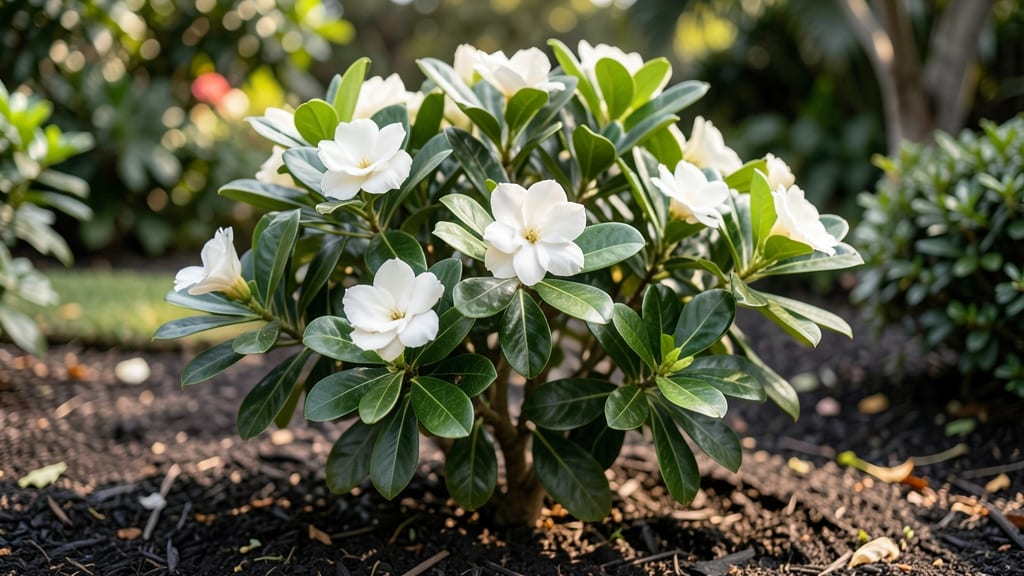
Gardenias in winter often look like bare branches with sparse leaves, but don’t assume your plant is dead just yet—this is their natural dormant stage.
If your gardenias have lost their lush foliage and fragrant blooms, don’t panic—winter dormancy is completely normal. But how can you tell if your gardenia is truly dormant or struggling? Understanding the seasonal changes helps you care for it properly and anticipate its spring revival.
In USDA Zone 6, where gardenias thrive, winter brings a shift from vibrant blooms to a more subdued state. The glossy, dark green leaves may drop or turn yellow, while stems can look woody and bare.
Some gardenias even form tiny buds under the right conditions, hinting at the beauty to come.
Below, I’ll walk you through how to identify a dormant gardenia, what to expect from its structure in winter, and how to prepare it for a strong comeback when spring arrives.
Identifying gardenia dormancy: visual signs and stages in winter
When winter arrives, your gardenias undergo a natural dormancy cycle that slows growth and conserves energy. This transition often confuses gardeners because the plant’s appearance changes dramatically. Understanding these visual cues helps you distinguish healthy dormancy from potential stress or disease.
Gardenias in USDA Zone 6 and colder regions typically enter dormancy by late fall, while those in milder zones may stay semi-active.
One of the first signs of dormancy is leaf drop. Gardenias naturally shed some or all of their leaves as temperatures drop below 50°F (10°C). This isn’t always complete—some varieties retain a few leaves, especially in semi-evergreen types.
The remaining leaves may appear duller and thinner, signaling reduced metabolic activity. Don’t mistake this for disease; it’s a survival mechanism to protect the plant’s energy reserves.
Now, let’s break down the key visual stages of gardenia dormancy in winter with this helpful summary:
| Stage | Leaf Condition | Stem Appearance | Bud Development | Healthy Indicator |
|---|---|---|---|---|
| Early Dormancy | Partial leaf drop (50-70%) | Stems appear woody and firm | Tight, dormant buds forming | No wilting or discoloration |
| Mid Dormancy | Nearly bare branches (90% drop) | Stems may darken slightly | Bud scales tightly closed | No pest signs or mold |
| Late Dormancy | Minimal evergreen leaves (if any) | Stems shrivel slightly but stay upright | Bud swelling visible under bark | Bark intact, no cracks |
The stem condition is another critical clue. Healthy dormant stems remain firm and upright, though they may darken slightly due to reduced chlorophyll production. Avoid pruning during dormancy unless you spot dead or diseased branches.
These appear brown, mushy, or hollow—a clear sign of trouble, not dormancy. In contrast, healthy stems feel solid and resilient when gently squeezed.
Bud development is a tell-tale sign of a gardenia’s winter state. Even in dormancy, gardenias prepare for spring by forming dormant buds along the stems. These buds are small, tightly closed, and often hidden under the bark.
As winter progresses, you might notice slight swelling under the bud scales—a sign the plant is conserving energy for future growth. If buds appear shriveled or leak sap, it could indicate frost damage or disease.
Contrary to popular belief, gardenias don’t always lose all their leaves. Some varieties, like Gardenia jasminoides, retain a few evergreen leaves year-round, especially in warmer climates. These leaves may look smaller and paler but remain attached.
If you notice yellowing leaves with crispy edges, however, it’s likely a sign of overwatering or nutrient deficiency, not dormancy. Always check the soil moisture before assuming it’s normal leaf drop.
Distinguishing dormancy from disease or stress requires close observation. Healthy dormant gardenias have clean, intact bark with no signs of peeling, mold, or insect holes. The soil around the base should appear moist but not waterlogged.
If you spot black spots on leaves or a white powdery substance (fungus), your gardenia is struggling and needs immediate attention. In contrast, a truly dormant gardenia looks resting, not suffering.
Potted gardenias often exhibit more dramatic dormancy signs than in-ground plants because they’re more exposed to temperature fluctuations. Their leaves may drop faster, and stems might curl slightly due to cold drafts.
If your potted gardenia is in a protected location (like a garage or covered porch), it may retain more foliage. Move it to a cool, dark spot (around 50-60°F) to mimic natural winter conditions and reduce stress.
As spring approaches, watch for new growth signs like tiny leaf buds or softening stems. These indicate your gardenia is breaking dormancy. Until then, resist the urge to prune or fertilize—these actions can disrupt the plant’s natural cycle and delay its revival.
Patience is key; gardenias reward careful winter care with vibrant blooms in late spring or early summer.
🌱
How to tell if your winter gardenias are healthy or dying
Winter can be tricky for gardenias—these fragrant shrubs often shed leaves and slow growth, but how do you know if they're just dormant or truly struggling? Healthy gardenias in winter still show subtle signs of life, while dying ones exhibit warning signs like blackened bark or shriveled stems.
Let’s break down the key differences so you can act confidently.
First, examine the bark and stems. Healthy gardenias retain smooth, light brown bark with no cracks or peeling. If you see dark spots or oozing sap, this could signal fungal infections or bacterial diseases.
Also, check for pest activity like spider mites or scale insects, which leave behind sticky residue or tiny webs.
⚠️ CALLOUT WARNING ⚠️ What Do Healthy Gardenias Look Like in Winter? 🌿 Leaves: May drop 50-70% but retain some glossy, dark green foliage on lower branches. 🌱 Stems: Firm, light brown bark with no soft spots or peeling. 🌸 Buds: Tight, green buds may form at branch tips—signs of spring prep. ❌ Red Flags: Blackened bark, wilted stems, or no buds by late winter. 💡 Action Step: If buds appear, reduce watering to bi-weekly and avoid pruning until spring.
Next, inspect the roots and soil. Gently dig around the base (if possible) to check for healthy white roots. Rotten or mushy roots indicate overwatering, while dry, brittle roots suggest underwatering.
Healthy gardenias also benefit from well-draining, acidic soil (pH 5.0-6.0). If your soil feels compacted or waterlogged, amend it with peat moss or compost.
Don’t overlook the foliage pattern. While most leaves will drop, a few dark green, glossy leaves on lower branches are normal. If you spot yellowing leaves with brown edges, this could signal nutrient deficiency (often iron or nitrogen).
Conversely, sudden leaf drop without new growth may mean root stress or disease.
Finally, observe the overall plant structure. Healthy gardenias maintain a compact, upright shape even in winter. If branches appear limp, twisted, or bare, it’s a warning sign.
For potted gardenias, ensure the container isn’t cracked and the drainage holes are clear. Move pots to a sheltered spot if temperatures drop below 30°F.
If your gardenia shows multiple red flags—like black bark, no buds, and mushy roots—it may need immediate intervention, such as pruning dead branches or replanting in fresh soil.
However, if it’s mostly dormant with a few green leaves and buds, wait until spring to prune and fertilize. Patience is key—gardenias often rebound quickly once temperatures rise! 🌱