
Tools
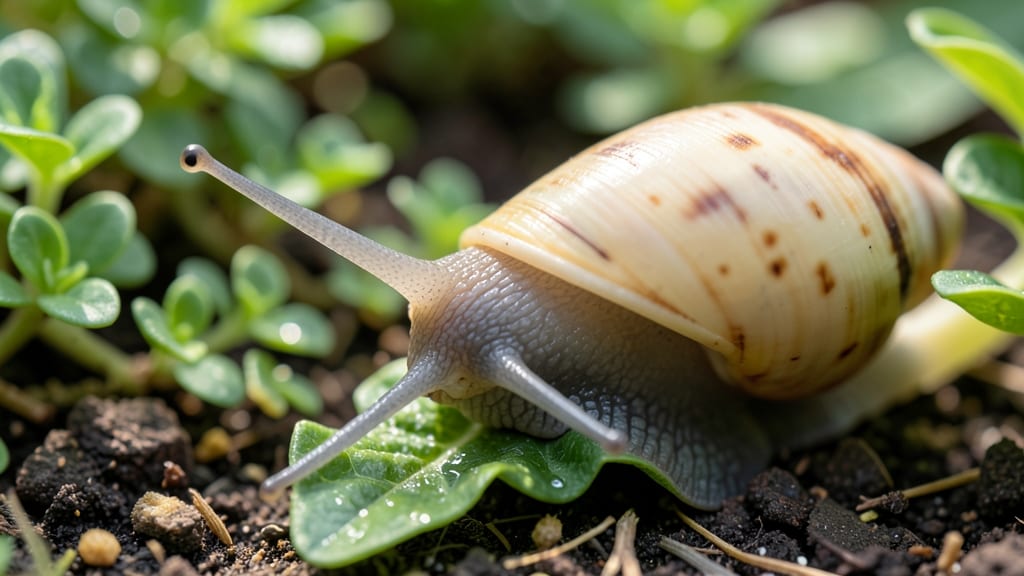
Birds like thrushes and blackbirds, amphibians such as frogs and toads, mammals like hedgehogs and shrews, and beneficial insects including ground beetles and parasitic wasps eat garden snails. These natural predators play a key role in controlling snail populations in gardens.
Garden snails face a diverse menu of predators, each with unique hunting strategies. 🌿 Birds like thrushes target snails during dawn and dusk, using their sharp beaks to extract the soft body from shells.
Meanwhile, amphibians such as frogs and toads rely on stealth, ambushing snails near water sources where they're most active. Mammals like hedgehogs and shrews use their keen sense of smell to locate snails, often following their slime trails at night when snails are most vulnerable.
Beneficial insects, including ground beetles and parasitic wasps, contribute by preying on snail eggs and young, breaking the life cycle before populations grow unmanageable.
This natural ecosystem creates a balanced approach to pest control, reducing the need for chemical interventions. The key is understanding these predators' preferences—providing water sources, leaf litter for shelter, and native plants can encourage their presence in your garden.
By supporting these natural allies, you create a healthier environment where snail populations stay in check without harming your plants.
💡 In This Article
- Natural Predators of Garden Snails and Their Hunting Behaviors
- Encouraging Snail Predators in Your Garden for Organic Pest Control
Natural predators of garden snails and their hunting behaviors
The hunting strategies of garden snail predators vary dramatically based on their biology and environment. Birds like thrushes and blackbirds primarily hunt during dawn and dusk when snails are most active, using their sharp beaks to pry open shells or extract the soft body through the aperture.
These birds often target snails 0.5 to 1 inch in size, which are easier to handle. 🔥 Their success rate increases in gardens with open spaces where they can spot the snails' characteristic silver slime trails on leaves and soil.
Amphibians such as frogs and toads employ a stealth-based approach, ambushing snails near water sources where they congregate. These predators rely on their camouflage and rapid strikes, often lunging when a snail is less than 3 inches away.
Frogs, in particular, use their sticky tongues to capture snails, while toads may crush smaller snails with their strong jaws. Their hunting is most effective in moist, shaded areas where snails leave visible trails on damp surfaces.
Nocturnal mammals like hedgehogs and shrews are the nighttime specialists, using their excellent sense of smell to detect snails by following slime trails. Hedgehogs can consume up to 50 snails per night, while shrews are more selective, targeting younger or injured snails.
Their foraging is most productive in gardens with leaf litter and ground cover, which provides both shelter and hunting grounds. 💫 The damage they leave behind—partially eaten snails with jagged shell edges—is a telltale sign of their activity.
Insect predators like ground beetles and parasitic wasps operate at a smaller scale but with precision. Ground beetles hunt snail eggs and young, using their powerful mandibles to crush them, while parasitic wasps lay eggs inside snail eggs, preventing hatching.
These insects thrive in well-drained soil with organic matter, where snail eggs are most vulnerable. Their presence is often indicated by tiny holes in snail shells or missing eggs in the soil.
Understanding these behaviors helps gardeners identify which predators are active in their space. For example, finding half-eaten snails with clean shells suggests bird activity, while crushed shells with no body points to amphibians or mammals.
By recognizing these clues, you can tailor your garden to support the predators that work best for your specific snail problem. ✨