
Tools
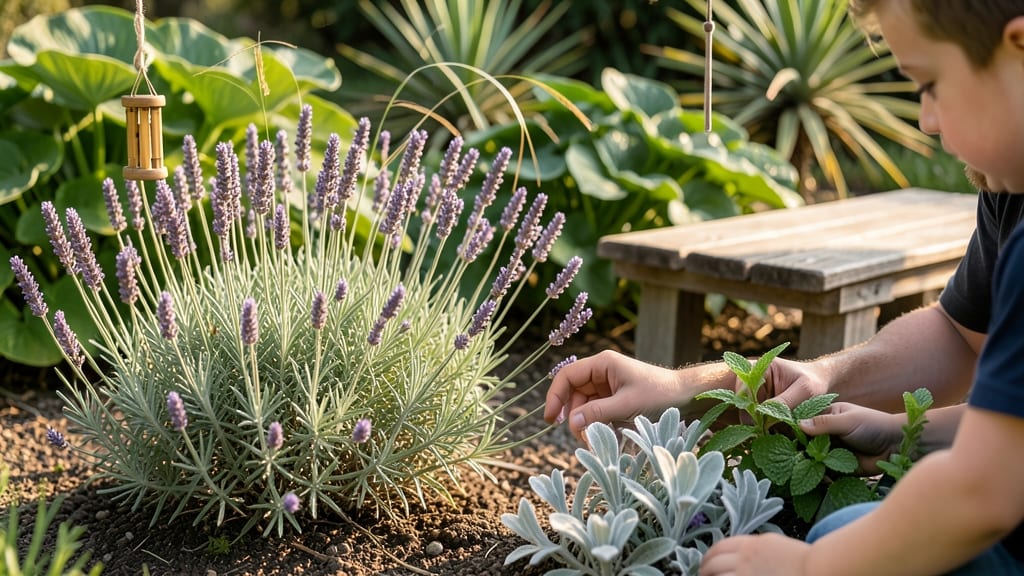
A sensory garden is a thoughtfully designed outdoor space that intentionally stimulates all five senses—sight, touch, smell, taste, and sound—through carefully selected plants, textures, and natural elements to create calming, engaging environments.
A sensory garden transforms ordinary landscapes into multi-sensory experiences by blending aesthetics with functionality. 🌿 For example, fragrant lavender and rosemary engage your sense of smell, while textured plants like lamb's ear provide tactile stimulation.
Edible herbs and fruits add the element of taste, and rustling grasses or wind chimes introduce soothing sounds. These gardens are particularly beneficial for stress relief, cognitive stimulation, and creating inclusive spaces for all ages and abilities.
The beauty of sensory gardens lies in their adaptability—whether you're designing for a small urban balcony or a sprawling backyard, the principles remain the same. 💫 Layering plants with varying heights and textures creates visual interest, while strategic placement of seating areas ensures you can fully immerse yourself in the experience.
Many therapeutic gardens incorporate accessible paths and raised beds to accommodate visitors with mobility challenges.
💡 In This Article
- How Sensory Gardens Stimulate Each Sense Through Plant Selection
- Designing a Sensory Garden: Layout Tips for Accessibility and Impact
How sensory gardens stimulate each sense through plant selection
The visual appeal of a sensory garden begins with strategic color contrasts and plant shapes. Flowers like black-eyed Susans (golden-yellow petals) or purple coneflowers create bold focal points, while silver foliage from plants like lamb's ear reflects light for a shimmering effect.
The human eye is drawn to 3:1 color ratios—using three parts dominant color (like blue) to one part accent (like red)—which creates natural visual harmony. This principle mimics how nature organizes itself, reducing cognitive overload and promoting relaxation.
For tactile stimulation, plants with distinct textures become the stars. Lamb's ear feels like velvet, sage offers fuzzy leaves, and mosses provide soft, spongy surfaces.
The science here involves trichomes—hair-like structures on leaves—that create friction against skin, while succulent leaves (like those of hen-and-chicks) have smooth, waxy coatings that feel cool to the touch.
These textures trigger the Meissner corpuscles in our fingertips, which send signals to the brain's somatosensory cortex, creating a calming tactile experience.
The olfactory system is directly connected to memory centers in the brain, which is why aromatic plants like lavender, rosemary, and mint play such a crucial role. These plants release volatile organic compounds (VOCs) that travel through the air and bind to olfactory receptors in our noses.
For example, lavender contains linalool and linalyl acetate, compounds proven to reduce anxiety by up to 36% in clinical studies. Planting these near seating areas ensures visitors experience their benefits immediately upon entering the space.
Edible elements add the dimension of taste, often using perennial herbs like thyme, oregano, and chives that regrow season after season. The taste experience is enhanced by pairing plants with complementary flavors—sweet basil next to lemon balm creates a citrusy contrast, while mint near strawberries amplifies their natural sweetness.
These edible plants also encourage interaction, as visitors can harvest and taste their bounty, deepening their connection to the garden.
Finally, soundscapes are created through wind-activated plants like ornamental grasses (Miscanthus) or bamboo, whose leaves rustle in the breeze. Studies show that natural sounds between 20-40 decibels (the range of gentle rustling) reduce stress hormones by 21%.
Adding elements like water features (even small tabletop fountains) or wooden wind chimes layered at different heights creates a dynamic auditory experience that changes with the wind direction.
What makes sensory gardens truly effective is this layered approach—each sense builds upon the others.
For instance, the visual appeal of a blooming clematis vine draws you in, the tactile experience of brushing against its leaves engages your hands, the aroma of nearby juniper berries stimulates your nose, and the sound of nearby grasses completes the immersion.
This multi-sensory engagement is why these gardens have measurable therapeutic benefits for conditions like dementia, anxiety, and PTSD. 🌿