
Tools
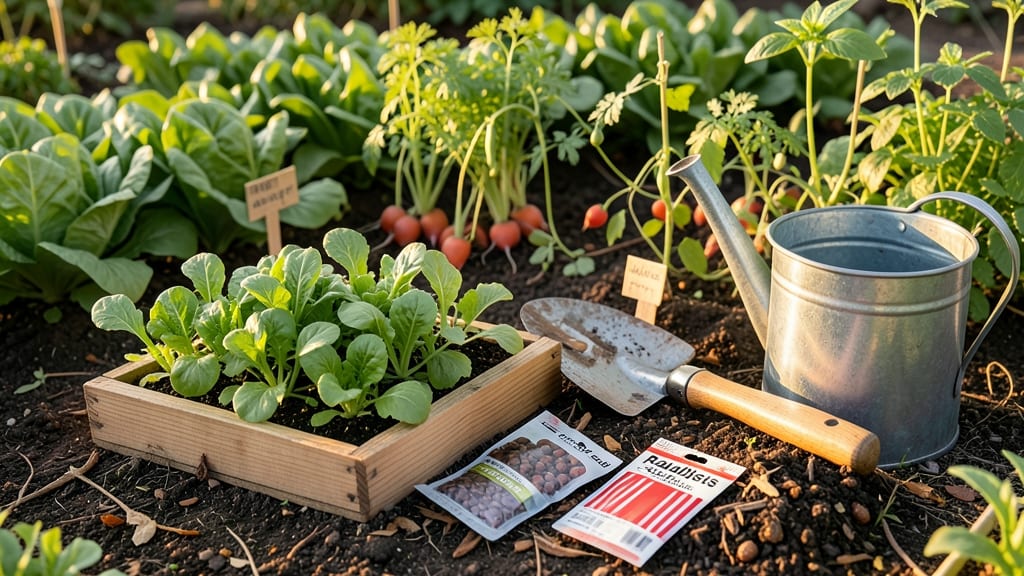
Garden soil is used as a nutrient-rich growing medium that supports root development, retains moisture, and provides essential minerals for healthy plant growth, including vegetables, flowers, and shrubs in home gardens and landscapes.
Garden soil serves as the foundation for thriving plants by balancing organic matter, minerals, and microbial life that break down nutrients into forms roots can absorb. 🌱 Unlike sterile potting mixes, it fosters long-term health through natural decomposition processes that replenish the growing medium over time.
Whether you're cultivating tomatoes or ornamental shrubs, the right soil structure—with proper aeration and water retention—directly impacts yield and resilience against pests or drought.
For optimal results, most gardeners mix native soil with compost or aged manure to improve texture and fertility. Loamy soil, which combines sand, silt, and clay, is often ideal because it drains well while holding enough moisture for roots.
However, heavy clay soils may need sand and organic amendments, while sandy soils benefit from added humus to prevent nutrient leaching. The key is matching soil composition to your plants' specific needs—herbs thrive in well-draining soil, while root vegetables like carrots prefer loose, fertile ground.
💡 In This Article
- How Garden Soil Supports Plant Nutrition and Root Health
- Best Practices for Using Garden Soil in Different Planting Scenarios
How garden soil supports plant nutrition and root health
Garden soil acts as a living ecosystem where organic matter—like decomposed leaves, grass clippings, and compost—feeds beneficial microbes. These microorganisms break down complex nutrients into simpler forms, such as nitrates and phosphates, that plant roots can absorb through tiny root hairs.
For example, a single teaspoon of healthy garden soil can contain billions of bacteria and fungi that decompose organic material, releasing essential nutrients like nitrogen (10-30 lbs per 1,000 sq ft annually) and potassium (50-200 lbs per 1,000 sq ft) over time.
This natural nutrient cycling ensures plants receive a steady supply of energy without synthetic fertilizers. 🌱
The soil's structure—its mix of sand, silt, and clay—determines how well roots can spread and access oxygen. Ideal garden soil, called loam, typically contains 40% sand (for drainage), 40% silt (for moisture retention), and 20% clay (for nutrient binding).
Clay particles, though dense, hold water and nutrients like a sponge, while sand creates air pockets that prevent roots from suffocating. For instance, tomato plants thrive in loamy soil because their roots need both oxygen (15-20% soil air content) and moisture to grow strong.
Without proper aeration, roots suffocate and plants become stunted or prone to disease.
Moisture retention is another critical function of garden soil. Organic matter increases water-holding capacity by 20-30% compared to mineral-only soil, reducing the need for frequent watering. This is why gardeners often amend heavy clay soil with compost—it improves water infiltration while preventing erosion.
For example, a well-amended garden bed can hold 1-2 inches of water per foot of soil depth, which is vital during droughts. The right balance of moisture also prevents fungal diseases like root rot, which thrives in waterlogged conditions. 💧
Soil also acts as a buffer against temperature extremes. The organic layer insulates roots, keeping them 5-10°F cooler in summer and 5-15°F warmer in winter than surface temperatures.
This stability is especially important for shallow-rooted plants like lettuce or strawberries, which can suffer from heat stress or frost damage if soil temperatures fluctuate wildly. Additionally, the microbial activity in healthy garden soil suppresses harmful pathogens by outcompeting them for resources—a natural form of disease prevention.
One often-overlooked benefit is soil's role in improving plant flavor and texture. For instance, carrots grown in loose, sandy-loam soil develop sweeter roots because they store more sugars during growth. Meanwhile, herbs like basil grow more robustly in well-draining soil, producing higher concentrations of essential oils.
The key takeaway? Healthy garden soil isn't just about survival—it's about optimizing growth, resilience, and even taste. The more diverse and active the soil microbiome, the more your plants will thrive. 🌿