
Planting
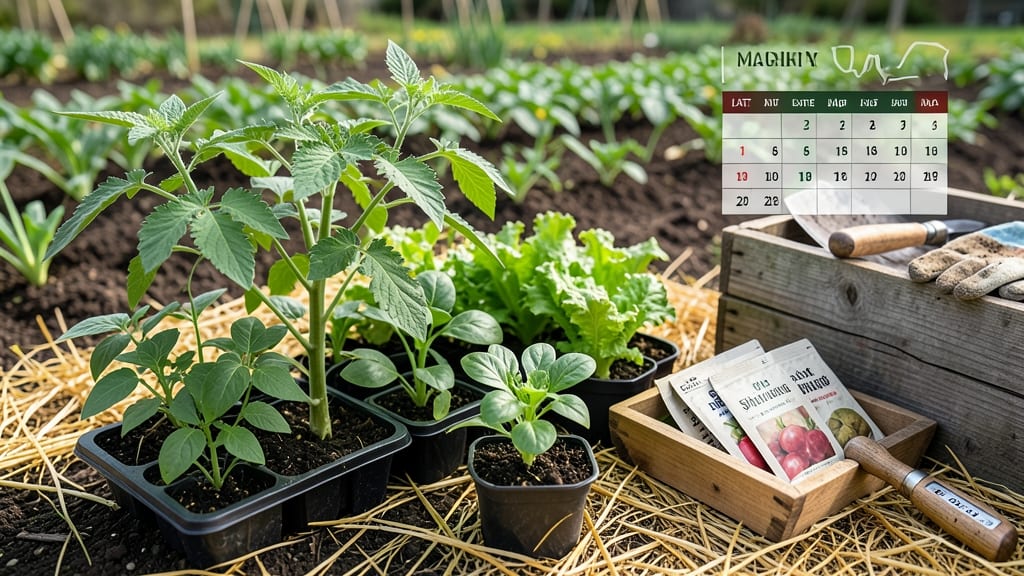
You can plant your garden in Michigan once the soil warms and frost risk fades — typically mid-April to early May in most zones, but timing varies by crop and region.
Michigan’s unpredictable spring weather can leave gardeners guessing—plant too early, and frost will strike; too late, and you’ll miss peak harvests. Knowing the exact frost-free dates for your zone (and which crops thrive in Michigan’s short growing season) is the key to a bountiful garden.
Whether you’re sowing cool-loving greens like spinach or waiting for the heat to plant tomatoes, the right schedule makes all the difference. Below, I’ll break down planting windows by zone, crop type, and even tricks to stretch your season.
From preparing soil in early spring to protecting tender seedlings, you’ll learn how to align your planting with Michigan’s climate—so you can enjoy fresh harvests from summer through fall.
Michigan frost-free dates by Zone: when to plant vegetables & flowers
Michigan spans USDA Hardiness Zones 4-6, meaning frost dates vary dramatically between the Lower Peninsula (warmer) and Upper Peninsula (colder). The average last frost typically arrives between mid-April and late May, but these dates can shift by weeks depending on your exact location.
For example, Detroit (Zone 6) often sees frost-free conditions by April 20th, while Marquette (Zone 5) may wait until May 15th. Understanding these variations helps you time plantings for maximum success.
Even within the same zone, microclimates play a huge role. South-facing slopes warm up faster, while low-lying areas hold cold air longer. Urban areas like Grand Rapids can be 2-3 weeks earlier than rural spots just 20 miles away.
Always check local weather forecasts and consider using row covers or cold frames to extend your growing season in cooler pockets. The Michigan State University Extension provides historical frost data by county for precise planning.
For gardeners in Zone 4 (UP and northern LP), the window for planting frost-sensitive crops like tomatoes and peppers is narrow—just 90-100 days between last frost and first frost in October.
In Zone 5 (central LP), you gain an extra 2-3 weeks, while Zone 6 (southern LP) offers the longest season. This means choosing fast-maturing varieties or using season-extending tools becomes critical for northern Michigan gardeners.
Here’s a quick reference for key planting windows based on Michigan’s zones, including early, mid, and late-season crops:
When planning your garden, prioritize cool-season crops like peas, lettuce, and spinach for early planting—they tolerate light frosts and can even be sown 2-3 weeks before the average last frost date.
For warm-season crops such as tomatoes and peppers, wait until the soil reaches at least 60°F and nighttime temperatures stay above 50°F. Use a soil thermometer to monitor warmth, especially in Zone 4, where cool soils delay germination.
Herbs like basil and cilantro are particularly finicky in Michigan’s climate. Basil thrives in warm soil and should only be planted after May 15th in most zones, while cilantro bolts quickly in heat—sow it in early spring or late summer for the best results.
Flowers like marigolds and zinnias are more forgiving and can handle a wider planting window, making them ideal for beginners or late starters.
Don’t forget about fall planting, which can extend your harvest well into October. In Zone 6, you can direct-sow spinach and kale as late as August 15th, while Zone 4 gardeners should aim for July 15th to avoid early frosts.
Succession planting—sowing small batches every 2-3 weeks—ensures a continuous supply of fresh produce, especially for crops like bush beans and radishes, which mature quickly.
For container gardening in Michigan, microclimates become even more critical. Containers warm up faster than in-ground soil, so you can often plant 1-2 weeks earlier than the zone average.
However, containers also dry out quicker and are more vulnerable to frost, so use heat mats or row covers for added protection. Dwarf varieties of tomatoes and peppers are perfect for containers, as they mature quickly and fit well in 5-gallon pots.
If you’re unsure about your exact frost dates, use the Michigan State University’s Frost Calculator (available on their Extension website) to input your ZIP code for localized predictions. Combine this with a 5
Best vegetables to plant in Michigan: timing by crop type (cool vs. warm season)
Michigan’s short growing season demands smart planning—cool-season crops like spinach and peas thrive in spring’s chill, while tomatoes and peppers need summer’s warmth. The key is knowing when to plant each type to maximize your harvest before first frost (typically late September in most zones).
For cool-season vegetables, start seeds indoors 4-6 weeks before your last frost date (usually mid-April in southern Michigan, early May in the north). These hardy crops handle light frosts and even prefer cooler temps—ideal for Michigan’s unpredictable springs.
Cool-Season vs. Warm-Season Planting
Cool-Season Crops
- Spinach: Plant 4-6 weeks before last frost
- Peas: Sow as soon as soil is workable (March-April)
- Broccoli: Start seeds indoors 6-8 weeks before transplant
- Benefits: Tolerates light frost, grows faster in cool weather
Warm-Season Crops
- Tomatoes: Plant after last frost (May-June)
- Peppers: Wait until soil reaches 60°F+
- Cucumbers: Sow 2-3 weeks after last frost
- Benefits: Needs consistent warmth, longer growing season
Pro Tip: Use row covers to extend cool-season harvests into early summer.
Warm-season vegetables like tomatoes and peppers need to wait until after your last frost date (usually late May in southern Michigan, June in the north).
These heat-lovers struggle in cool soil—planting too early can stunt growth or invite disease. Succession planting is your secret weapon here: sow cucumbers or beans every 2 weeks for continuous harvests.
Michigan’s shorter summers mean choosing fast-maturing varieties is crucial. Look for early-season tomatoes (like 'Stupice' or 'Mountain Merit') that ripen in 50-60 days or heat-tolerant peppers (e.g., 'Carolina Wonder') that handle our hot July days. These varieties give you 2-3 weeks extra of harvest time before fall frosts arrive.
Don’t overlook succession planting—this technique lets you stretch harvests by sowing new seeds every 2-3 weeks. For example, plant lettuce in early spring, again in late summer for a fall crop, and even a third time under row covers for a winter harvest.
It’s how I double my kale and radish yields every year!
Protect tender warm-season plants with floating row covers if nighttime temps dip below 50°F. I’ve saved entire tomato plants from early frost damage using lightweight fabric—just remove it during the day to let pollinators visit.
For extra insurance, choose determinate varieties (like 'Roma' tomatoes) that ripen all at once for easier canning or preserving.