
Planting
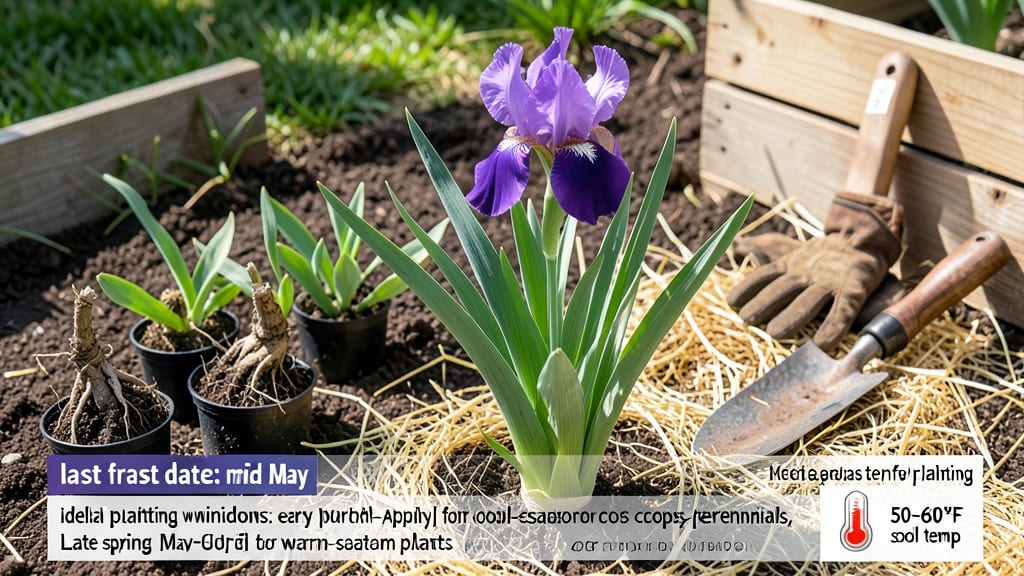
The best time to plant a garden in Michigan is after your last average frost date — typically between late April and mid-June for spring crops, and again in mid-August to early September for fall harvests.
Michigan’s unpredictable spring weather can turn gardening dreams into guesswork—but timing your plantings just right means the difference between a thriving harvest and a wasted season.
Whether you’re growing cool-season greens like spinach or heat-loving tomatoes, knowing your USDA zone (like 5b-6b) helps you avoid frost damage while maximizing yields.
Below, I break down the exact frost-free windows by region, the best crops for each season, and how to stretch your growing window with simple tricks like row covers and succession planting.
Michigan’s frost-free dates by USDA zone: critical planting windows for each region
Michigan spans five USDA hardiness zones (4a-6b), each with distinct last frost dates that dictate when to plant. The Upper Peninsula (zones 4a-5a) typically sees frost 2-3 weeks later than the Lower Peninsula (zones 5b-6b), creating dramatic differences in planting windows.
For example, zone 6b in southern Michigan might plant tomatoes in early May, while zone 4a in the UP waits until mid-June.
Understanding these frost-free windows helps you avoid late-spring freezes that can devastate tender seedlings. My rule of thumb: Wait until the average last frost date has passed—then add a 10-day buffer for safety.
This ensures your warm-season crops like peppers and cucumbers have time to establish roots before summer heat arrives.
Microclimates further complicate timing. A south-facing slope warms faster than a shady valley, potentially allowing earlier plantings. Urban areas with heat islands may also experience earlier frost-free dates by 1-2 weeks. Always check local Almanac records or use USDA Plant Hardiness Zone Map tools for precision.
Below is a zone-by-zone breakdown of Michigan’s frost-free dates, including early spring, mid-spring, and late-spring planting windows for vegetables, flowers, and perennials. Use this as your gardening calendar to time plantings perfectly.
| USDA Zone | Avg Last Frost | Early Spring (Cold-Hardy) | Mid-Spring (Warm-Season Start) | Late Spring (Heat-Lovers) |
|---|---|---|---|---|
| 4a (UP) | May 15-20 | March 15-April 1 (peas, spinach) | May 1-15 (tomatoes, peppers under cover) | June 1-15 (sweet potatoes, okra) |
| 5a (UP/North) | May 1-10 | March 20-April 15 (lettuce, kale) | April 20-May 10 (cucumbers, beans) | May 20-June 5 (eggplant, basil) |
| 5b (Central) | April 25-May 5 | March 1-April 1 (onions, carrots) | April 15-May 1 (squash, melons) | May 10-25 (peppers, tomatoes) |
| 6a (South) | April 15-25 | February 28-March 15 (spinach, radishes) | April 1-April 15 (zucchini, corn) | April 25-May 10 (tomatoes, basil) |
| 6b (Southeast) | April 10-20 | February 15-March 1 (broccoli, peas) | March 20-April 1 (cucumbers, beans) | April 15-30 (peppers, eggplant) |
*Dates reflect average last frosts; use row covers to extend early windows by 2-4 weeks.
For zone 4a gardeners, the Upper Peninsula’s shorter growing season demands fast-maturing varieties and succession planting. Start cool-season crops like spinach and peas in early March
Best crops to plant in early spring vs. late spring in Michigan (with exact months)
Michigan’s early spring offers a narrow window for cool-season crops, while late spring opens the door to heat-loving vegetables. Getting the timing right means the difference between a bumper crop and a sad, wilted disappointment.
In USDA zones 5b-6b, your planting schedule should align with soil temperatures and frost risks—here’s exactly when to plant each type.
For early spring planting (March–April), focus on cold-hardy vegetables like peas, spinach, and kale. These thrive in 40–50°F soil and can handle light frosts. Meanwhile, late spring (May–June) is prime time for tomatoes, peppers, and cucumbers, which need warm soil (60°F+) to germinate.
Let’s break down the best crops for each window—and why timing matters so much.
- 1. Peas – March–April (direct sow 4–6 weeks before last frost; cold-hardy to 20°F)
- 2. Lettuce – March–May (sow 4–6 weeks before last frost; bolts in heat)
- 3. Spinach – March–April (direct sow 4–6 weeks before last frost; thrives in cool soil)
- 4. Kale – March–May (sow 4–6 weeks before last frost; sweetens after frost)
- 5. Tomatoes – Late April–May (transplant 2–3 weeks after last frost; soil ≥60°F)
- 6. Peppers – May–June (transplant after last frost; needs warmth)
- 7. Cucumbers – May–June (direct sow after soil warms; vining plants)
- 8. Beans – May–June (sow after last frost; heat-loving)
- 9. Carrots – March–April (sow as soon as soil is workable; slow to germinate)
- 10. Basil – May–June (transplant after frost; hates cold)
If you’re in northern Michigan (USDA 4a–5a), push early spring crops like peas and spinach 2 weeks earlier—they’ll handle the chill. Conversely, southern Michigan (USDA 6a–6b) gardeners can plant warm-season crops like tomatoes 1–2 weeks sooner in May.
Always check your local frost dates (typically May 10–20 for most regions) to avoid frost damage.
For short-season varieties, prioritize fast-maturing crops like bush beans (50–60 days) or radishes (25–30 days) in late spring. If you’re in a longer growing season (like zone 6b), you can even squeeze in a second planting of tomatoes in July for a fall harvest.
Just be ready to protect seedlings with row covers if late frosts sneak in.
One common mistake is planting warm-season crops too early—seeds rot in cold, wet soil. Test soil temperature with a soil thermometer (60°F+ for tomatoes/peppers) before sowing. For cool-season crops, start seeds indoors 6–8 weeks before last frost to get a head start.
Remember: Succession planting is your secret weapon. After harvesting early crops like peas, replace them with beans or cucumbers to maximize your garden’s productivity. And if you miss the late spring window? Don’t worry—fall planting (August–September) is your next chance for a harvest!