
Blooming
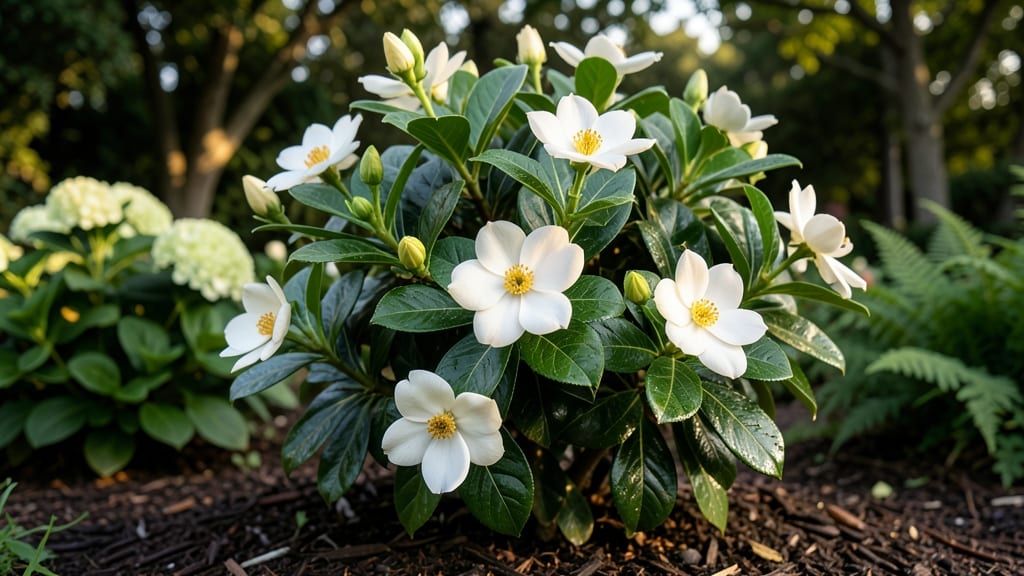
Gardenia bushes bloom in spring and summer 🌸, but the exact timing depends on your climate zone and care routine.
If you’ve ever dreamed of filling your garden with intoxicating, creamy-white blooms—but wondered when those fragrant gardenia bushes finally burst into flower—you’re not alone. Timing is everything, and gardenias reward patience with months of luxurious scent.
In warmer climates like USDA Zone 9b, they often start as early as January or February, while cooler zones like Zone 7 may see blooms in late spring or early summer.
Some varieties even deliver a second flush in fall, though this depends on your location and growing conditions.
Below, I break down the month-by-month blooming schedule, share simple hacks to encourage earlier or longer flowers, and reveal the biggest mistakes that keep gardenias from putting on their best show.
Gardenia bloom seasons by US hardiness zones: a month-by-month breakdown
Gardenia bushes are famous for their intoxicating fragrance and glossy white blooms, but their blooming timeline varies dramatically depending on your USDA hardiness zone. Whether you're in Zone 7 or Zone 11, understanding these patterns helps you plan for peak fragrance months and adjust care routines accordingly.
In warmer climates (Zones 9-11), gardenias often bloom year-round with minor seasonal fluctuations, while cooler zones (7-8) experience more defined spring and summer blooming windows. The key difference? Temperature triggers—gardenias need warmth to initiate buds but shade to protect blooms from afternoon sun.
🌱 Pro Tip: Gardenias in Zone 10+ may produce two bloom cycles—one in early spring and another in late summer—if given consistent acidic soil and moisture levels. Northern gardeners should focus on spring blooms and protect plants from fall frosts.
| Zone | Early Bloom | Peak Bloom | Late Bloom | Notes |
|---|---|---|---|---|
| 7 | Late May | June-July | Early August | Needs winter protection; prune after blooms. |
| 8 | April-May | May-July | Late July | May experience light frost; mulch heavily. |
| 9 | February-March | March-May | September-October | Two bloom cycles; minimal winter care. |
| 10 | January-February | February-April | August-September | Year-round potential with proper care. |
| 11 | December-January | January-March | October-November | Blooms year-round; protect from heat stress. |
If you live in Zone 7 or 8, your gardenias will primarily bloom in late spring through early summer, with buds forming in late April and May as temperatures rise above 60°F. Northern growers should avoid pruning until after blooms fall to encourage next year’s flowers.
For Zones 9-11, the story changes dramatically. Gardenias in these areas often start blooming as early as January or February, with a second flush in late summer. The key to extending blooms here is maintaining consistent soil moisture and acidic pH levels—gardenias hate alkaline soil!
🌿 Climate Hack: In Zone 10+, if your gardenia’s blooms drop prematurely, it may be heat-stressed. Provide afternoon shade during summer months to preserve blooms longer.
Regardless of your zone, gardenias need 6-8 hours of light daily but protection from harsh afternoon sun. In cooler zones, east-facing locations work best, while southern climates benefit from dappled shade to prevent leaf scorch.
Pruning plays a critical role in bloom timing. For spring-blooming varieties, prune right after blooms fall to shape the plant and encourage next year’s buds. In warmer zones, you can lightly prune in late summer to promote fall blooms.
💧 Watering Tip: Gardenias wilting buds often signal underwatering or overwatering. Aim for 1-2 gallons per plant every 3-5 days, and always water at the base of the plant to avoid leaf diseases.
To maximize fragrance, feed your gardenia with a high-phosphorus fertilizer (like 8-4-8) in early spring and mid-summer. Acid-loving plants thrive with sulfur or peat moss added to the soil—this boosts bloom production by up to 30%!
How to extend gardenia blooming seasons with simple gardening hacks
If your gardenia bushes are producing fewer blooms than expected, don’t despair—there are proven hacks to extend their flowering season. Gardenias naturally bloom in late spring to summer, but with the right care, you can coax earlier blooms in spring or longer displays in fall.
The secret lies in light management, soil acidity, and pruning timing. Let’s dive into the easiest ways to transform your gardenia into a year-round fragrant star.
First, light exposure is non-negotiable. Gardenias thrive in partial shade (4-6 hours of morning sun), but too much direct afternoon sun can stress them. If your gardenia blooms sporadically, try moving it to a sunnier spot in early spring to trigger blooming hormones.
Conversely, in hot summer months, provide afternoon shade to prevent bud drop. A simple trick? Use a lightweight shade cloth (30-50% coverage) during peak afternoon heat.
Move gardenia to morning sun in early spring to trigger blooming. Use shade cloth in summer afternoons to prevent stress.
Test soil pH (5.0-6.5). Amend with sulfur or peat moss if alkaline. Reapply acid-loving fertilizer every 4-6 weeks.
Prune after blooming season (late summer/fall) to remove dead or crossing branches. Avoid heavy pruning in winter.
Water at soil level (not leaves) to prevent fungal diseases. Use 1-2 gallons per plant every 3-5 days in dry spells.
Use high-phosphorus fertilizer (8-4-8) in early spring. Avoid nitrogen-heavy feeds—it promotes leaves over blooms.
Apply 2-3 inches of mulch (pine bark or oak leaves) to keep roots cool and moist. Replenish annually.
After first blooms fade, trim spent flowers and feed lightly. This can trigger a second flush in late summer.
One of the most overlooked factors is soil acidity. Gardenias are acid-loving plants and thrive in soil with a pH of 5.0-6.5. If your soil is alkaline, blooms will suffer.
Test your soil with a home pH kit and amend it with elemental sulfur or peat moss if needed.