
Blooming
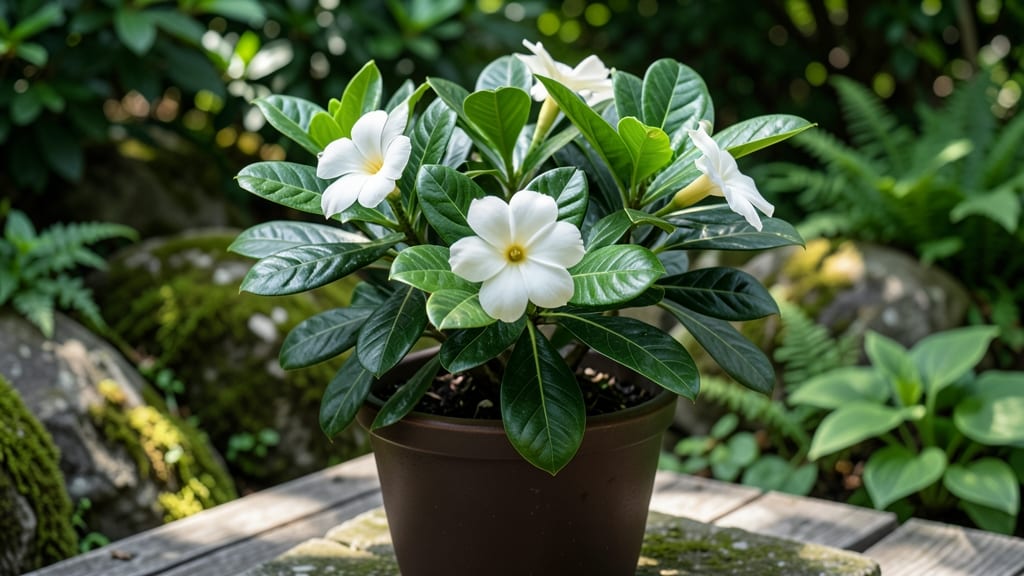
Gardenias in Florida bloom between late spring and early summer, with timing that shifts by variety and climate zone — but the exact months surprise even seasoned gardeners.
Picture this: your neighbor’s 🌸 gardenia bushes are heavy with creamy-white blooms in April, while yours are still waiting. That’s not bad luck — it’s climate math. Florida’s zones 8a–11 create a three-month window of bloom delays or advances, depending on where you live.
Whether you’re in frost-free Miami or the cooler hills of North Florida, the key to timing blooms lies in soil acidity, sunlight tricks, and a few pruning secrets.
I’ll break down the exact months for Florida’s top varieties and how to nudge your gardenia into full bloom when you want it.
You’ll also discover why spring pruning can add weeks to your bloom season, how to spot the first signs of buds, and the one fertilizer mistake that kills flowers before they open.
Gardenia bloom seasons in Florida by variety: exact months to expect flowers
Florida gardenias are famous for their creamy-white, ultra-fragrant blooms, but their bloom timing varies dramatically by variety and location. In North Florida (Zones 8a-9a), cooler winters can delay blooms, while South Florida (Zones 10a-11) often sees year-round flowering potential.
The key to timing is understanding your specific gardenia variety and adjusting care accordingly.
Most Florida gardenias follow a spring-to-fall blooming pattern, but some varieties like G. augusta may produce winter flowers in warmer zones. The peak bloom window for classic G. jasminoides typically spans April through June, though late-season blooms can extend into October with proper care.
Your yard’s microclimate—like afternoon shade or morning sun exposure—can shift these timelines by 2-4 weeks.
🌸
| Variety | North FL (Zones 8a-9a) | Central FL (Zones 9b-10a) | South FL (Zones 10b-11) | Key Notes |
|---|---|---|---|---|
| G. jasminoides (Common Gardenia) | May–July (late blooms Oct) | April–June, Sept–Nov | Year-round (peak Mar–May) | Most popular; needs acidic soil. |
| G. radicans (Creeper Gardenia) | June–August | May–July, Sept | April–June, Oct–Dec | Trailing habit; drought-tolerant. |
| G. augusta (Capitol Gardenia) | July–Sept (smaller blooms) | June–August, Dec–Feb | Year-round (heaviest Jan–Mar) | Native to Florida; heat-resistant. |
| G. fortunata (Fortune Gardenia) | May–June | April–May, Sept–Oct | Mar–May, Aug–Oct | Larger blooms; needs high humidity. |
🌿 Note: Timelines shift 1-2 months in cooler microclimates (e.g., inland vs. coastal).
If you’re in North Florida, your G. jasminoides may not bloom until late May or June due to cooler winters, while South Florida gardeners often enjoy year-round blooms with minimal effort.
The Capitol Gardenia (G. augusta) is a standout for winter flowering in Central and South Florida, producing fragrant blooms even in January.
For extended bloom seasons, I recommend pruning lightly after flowering to encourage new growth. Remove spent blooms but avoid heavy pruning—this can reduce next year’s flowers.
In North Florida, a winter mulch layer helps protect roots from mild cold snaps, which can delay spring blooms by 3-4 weeks.
One common mistake is assuming all gardenias bloom at the same time. For example, G. radicans typically flowers later in the season (June–August) compared to G. jasminoides.
If your plant isn’t blooming on schedule, check its sunlight exposure—too much afternoon sun can stress plants and delay flowering. Aim for morning sun and afternoon shade for optimal results.
In Central Florida, where I garden, my G. jasminoides usually starts budding in late March and flowers through June. Last year, a late frost warning in early April set back blooms by 2 weeks, but the plant recovered quickly
How Florida’s climate zones delay or advance gardenia blooms: what to plant where
Florida’s USDA climate zones 8a–10a create dramatic differences in gardenia bloom timing. In Zone 10a (Miami), gardenias often burst into bloom as early as February, while in Zone 8a (Orlando), the same varieties may not flower until April or May.
These shifts happen because cooler zones need more heat to trigger flowering, while warmer areas experience earlier but shorter bloom cycles.
The transition zones (9a–9b) like Tampa and Fort Myers offer a middle ground, with blooms typically appearing in March through June. However, even within these zones, microclimates—like coastal areas or inland regions—can shift bloom timing by 2–4 weeks.
Understanding these patterns helps you choose the right varieties and care strategies for your location.
To advance blooms in cooler zones, plant heat-loving varieties like Gardenia jasminoides near south-facing walls or use black plastic mulch to warm the soil. In Zone 8a, I’ve seen gardenias bloom 3 weeks earlier when planted in these microclimates.
For Zone 10a, focus on shade protection during summer to extend the bloom season into July or August.
Your planting calendar should align with your zone. In Zone 8a–9a, plant gardenias in early spring (February–March) to establish roots before summer heat. In Zone 10a, fall planting (September–October) helps avoid mid-year heat stress.
Prune spent blooms immediately after flowering to encourage new growth and a second flush of blooms in fall.
Soil acidity (pH 5.0–6.0) is non-negotiable for Florida gardenias. In Zone 8a, where soil pH can drift higher, I recommend monthly applications of sulfur to maintain acidity.
In Zone 10apeat moss or pine bark to prevent pH spikes. Test your soil in late winter to adjust before the growing season begins.
Watering strategies also shift by zone. In Zone 8aevery 5–7 days to prevent drought stress, while Zone 10a gardenias may need daily watering in summer to combat humidity and heat. Always water at soil level to avoid fungal issues, especially in humid zones like 9a–10a.
By tailoring your approach to your USDA zone, you can enjoy gardenias in bloom year-round—whether it’s February in Miami or June in Orlando.
The key is observation and adjustment: monitor your plants, tweak care based on local conditions, and don’t hesitate to experiment with varieties to find the perfect fit for your microclimate. 🌿